
Action
Adventure
Animation
Comedy
Crime
Documentary
Drama
Family
Fantasy
History
Horror
Music
Mystery
Romance
Science Fiction
Thriller
War
Western
Explore all movies appearances
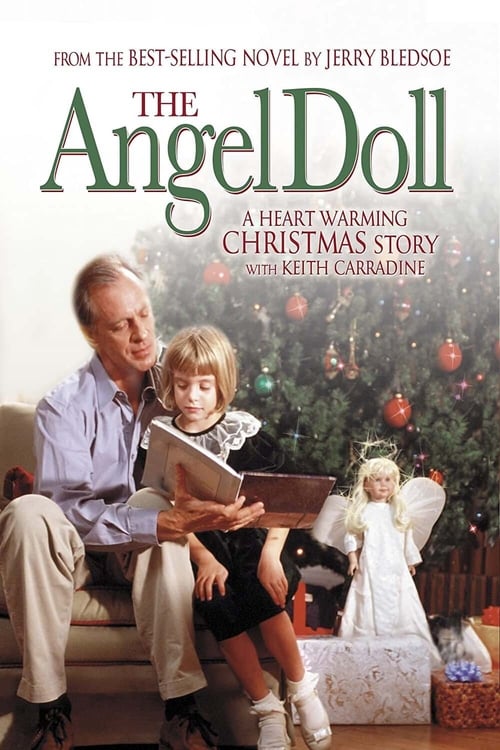
The story of two small town boys from different sides of the tracks: 1950's childhood and self-redemption. Young "Whitey" Black (so called because of a tuft of blanched hair on the left side of his head) lives in poverty with his single mother and ailing, four-year old sister, Sandy. Just across town, young Jerry Barlow lives the advantages of a middle class lifestyle with both parents and his younger brother. When mischief casts Whitey and Jerry into a shared paper route, Jerry quickly learns of Whitey's desire to buy his sister an angel doll for Christmas. Even though no such dolls exist in their hometown, Whitey, Jerry and a host of colorful characters set out in search of Sandy's gift. Along the way, reversals of fortune, theft, prejudice and, ultimately, the boy's friendship opens their eyes to the vastness of the small town around them.
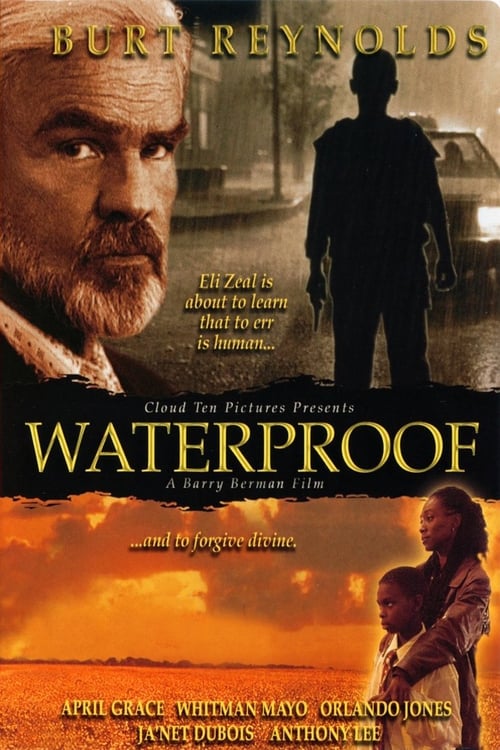
Single mother Tyree Battle struggles to keep her young son Thaniel away from the gang-plagued city streets that he is mixed up in. Under severe gang pressure, Thaniel accidentally shoots Jewish shopkeeper Eli Zeal in a botched robbery attempt. Tyree, protecting her son from the law, kidnaps Eli and flees to her hometown of Waterproof.
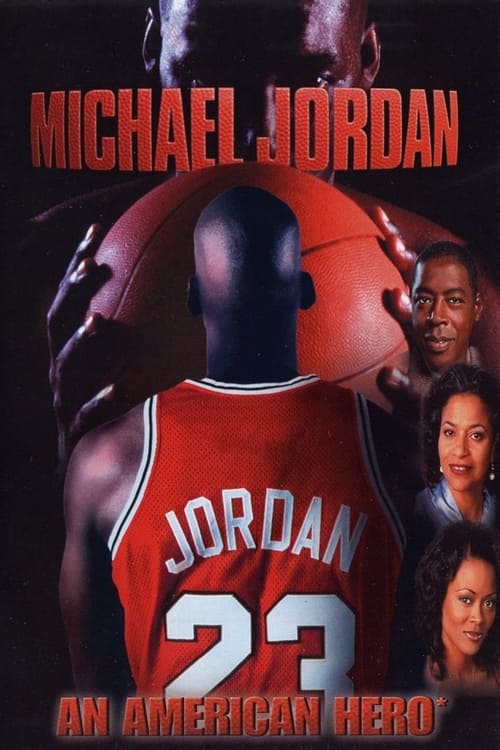
Michael Jordan: An American Hero is an American television film that aired on April 18, 1999 on Fox. It stars Michael Jace as Michael Jordan.
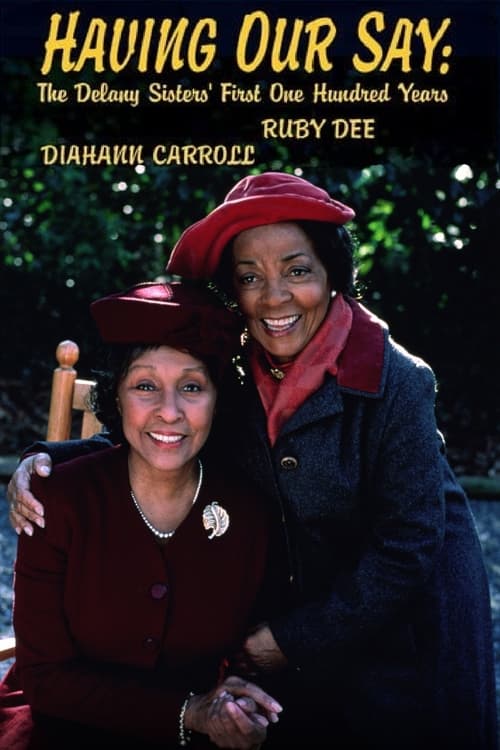
Tells the story of Sadie and Bessie Delany, two African-American (they preferred "colored") sisters who both lived past the age of 100. They grew up on a North Carolina college campus, the daughters of the first African-American Episcopal bishop, who was born a slave, and a woman with an inter-racial background. With the support of each other and their family, they survived encounters with racism and sexism in their own different ways. Sadie quietly and sweetly broke barriers to become the first African-American home-ec teacher in New York City, while Bessie, with her own brand of outspokenness, became the second African-American dentist in New York City. At the ages of 103 and 101, they told their story to Amy Hill Hearth, a white New York Times reporter who published an article about them. The overwhelming response launched a bestselling book, a Broadway play, and this film.
Subscribe for exclusive insights on movies, TV shows, and games! Get top picks, fascinating facts, in-depth analysis, and more delivered straight to your inbox.