
Action
Adventure
Animation
Comedy
Crime
Documentary
Drama
Family
Fantasy
History
Horror
Music
Mystery
Romance
Science Fiction
Thriller
War
Western
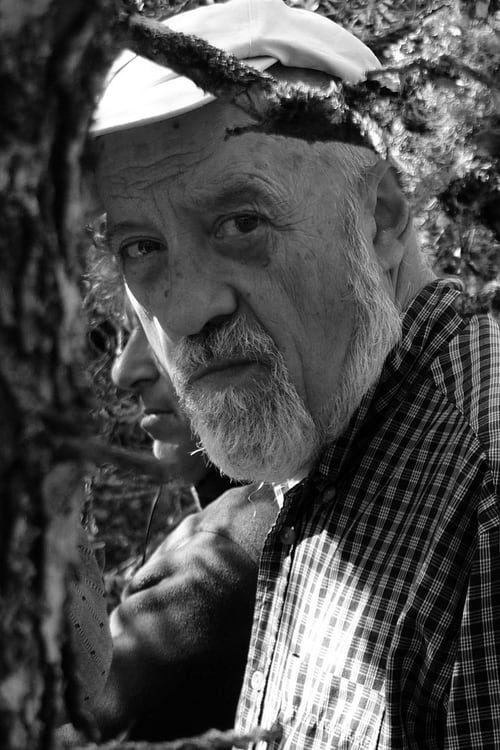
Luc Moullet (b. 14 October 1937 in Paris) is a French film critic and filmmaker, and a member of the Nouvelle Vague or French New Wave. Moullet's films are known for their humor, anti-authoritarian leanings and rigorously primitive aesthetic, which is heavily influenced by his love of American B-movies. Though such influential filmmakers and critics as Jean-Luc Godard, Jean-Marie Straub, Jacques ...
Not available
Enjoying the content? Support us!
Enjoying the content? Support us!
Explore all movies appearances

On the roads of Saintonge, at the entrance of the villages or along the ring roads, strange constructions have been laid out in places that we pass without stopping: roundabouts organized with an obsession for local culture. This film is an opportunity to turn around these postcard landscapes where oysters, parasols and prehistoric women live together.
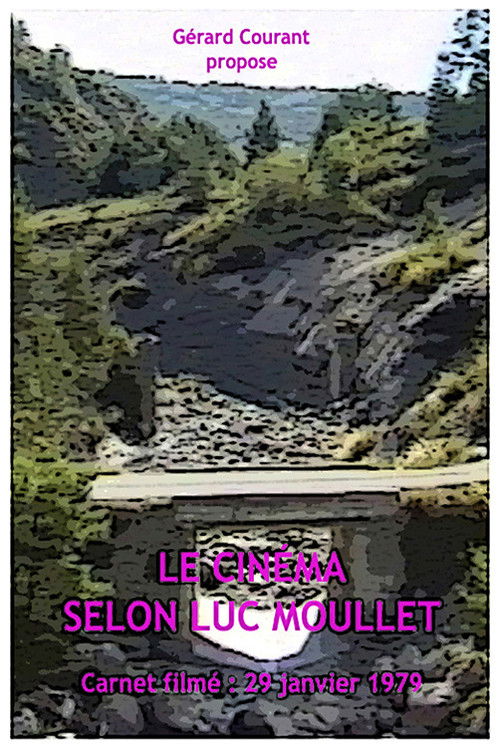
Le Cinéma selon Luc Moullet is an audio interview with Luc Moullet recorded on 29 January 1979 by Gérard Courant for the magazine Cinéma 79.
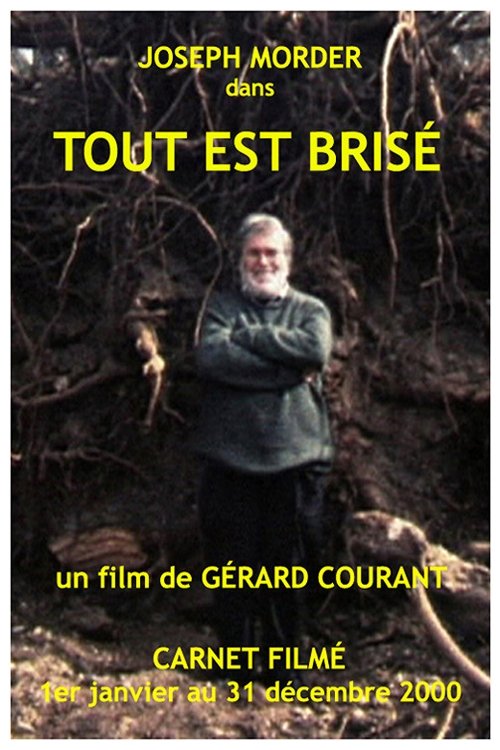
Almost all of this episode of the Carnets filmés, with the evocative title, Tout est Brisé is devoted to the misdeeds of the storm of 26 December 1999 on the Bois de Vincennes, whose forest extends at the foot of my building. For several months, I was the cinematographic witness of this disaster which brought down more than half of the 130,000 trees in the Bois.
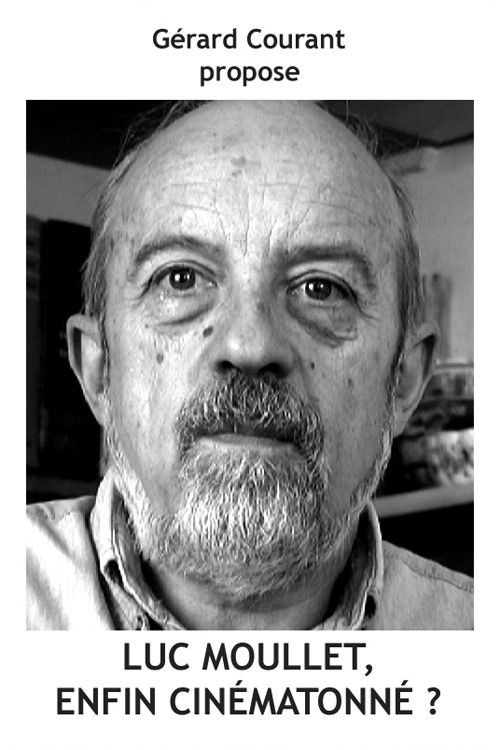
Luc Moullet, enfin cinématonné? is a fake Cinématon. It is not part of the Cinématon anthology and is therefore catalogued among the Cinématons outside the collection.
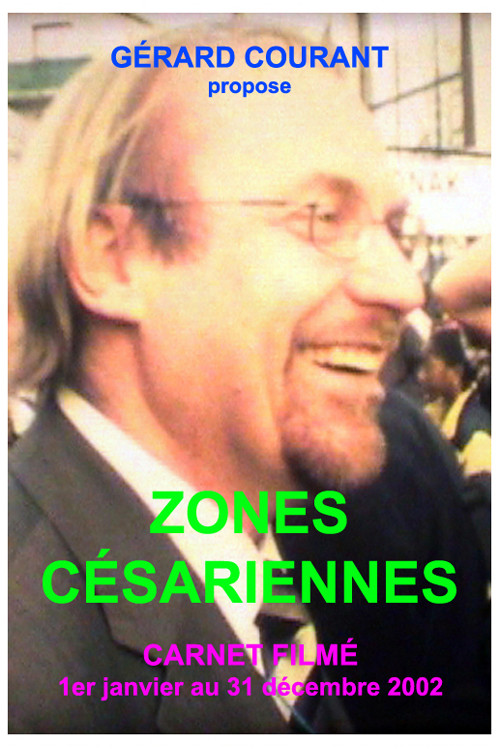
Zones césariennes (which covers the year 2002) is one of Gérard Courant's Filmed Notebooks shot on film. These episodes now coexist with their counterparts filmed on videotape. They are two films with parallel lives but opposing destinies, colliding and eyeing each other warily. They represent two approaches, two styles, two different ways of understanding cinema. Two methods for unfolding time, grasping memory, and exploring the world.
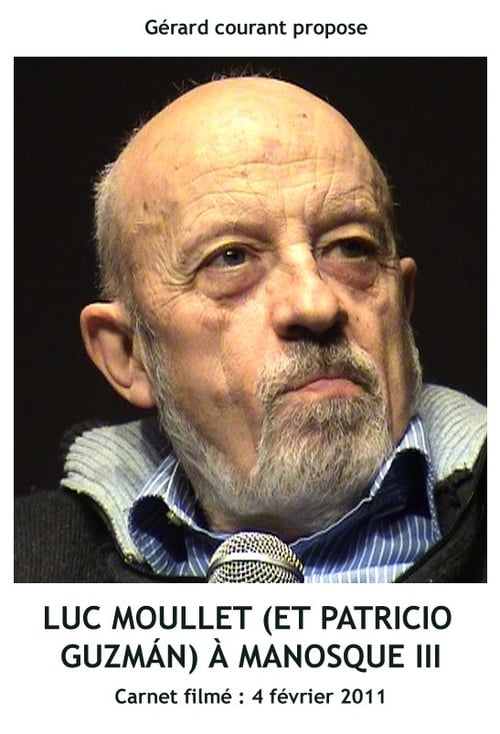
No plot available for this movie.
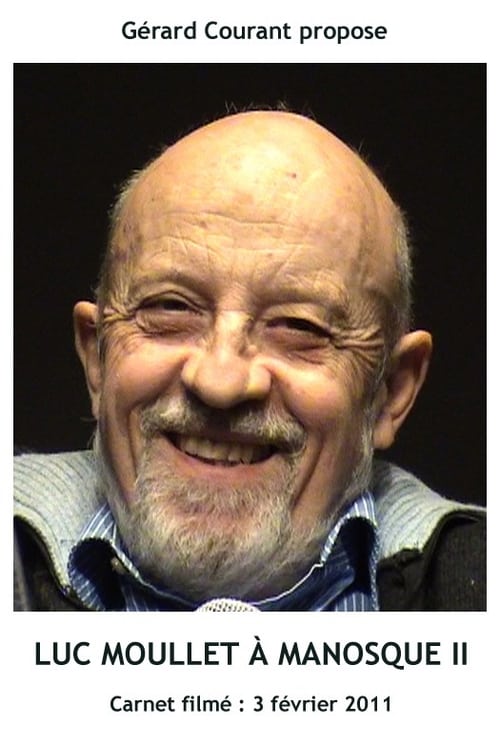
No plot available for this movie.
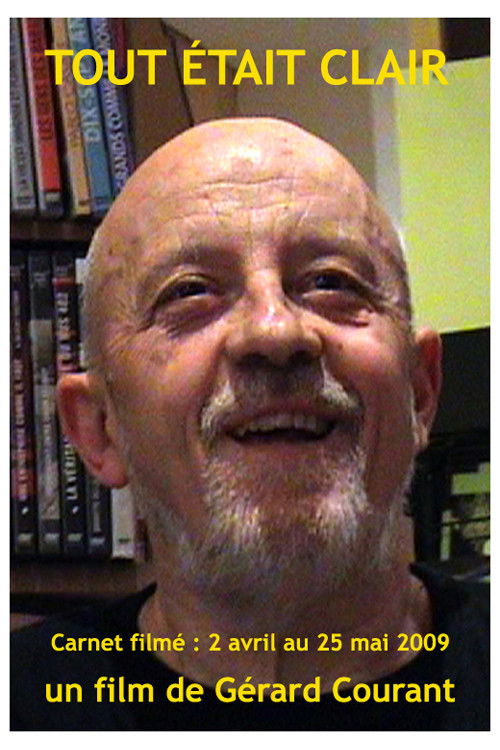
Tout était clair, the new episode of Gérard Courant's Carnets filmés spends considerable time in Saint-Marcellin, a small town in the Isère region at the foot of the Vercors mountain range, where the filmmaker lived during his childhood, and in Burzet, where, since 1980, he has filmed the Good Friday procession every year. A second part is devoted to a lecture by filmmaker Luc Moullet, who draws a comparison between the two French sports dailies: L'Équipe and Aujourd'hui Sport.

No plot available for this movie.
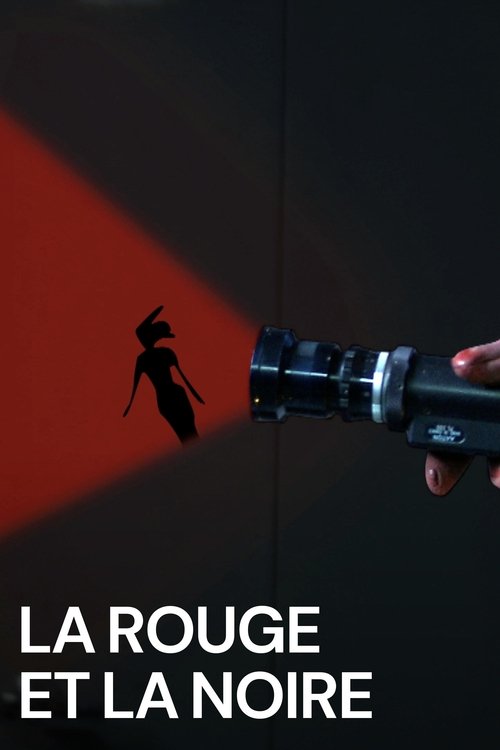
Carrying on Luc Moullets unfinished screenplay about the theft of la pénélope, a camera created by Aaton and capable of recording equally well in 35 mm and digitally, LA ROUGE ET LA NOIRE is a film in kaleidoscope form. The portrait of Aatons founder, Jean-Pierre Beauviala creator, inter alia, of the time-code and the light cameras used by the New Wave (in particular the bush camera specially designed for Jean Rouch) is centered around the basic plot introduced by two women thieves who talk as voice-overs, and whose identities will only be revealed at the end.
Subscribe for exclusive insights on movies, TV shows, and games! Get top picks, fascinating facts, in-depth analysis, and more delivered straight to your inbox.