
Action
Adventure
Animation
Comedy
Crime
Documentary
Drama
Family
Fantasy
History
Horror
Music
Mystery
Romance
Science Fiction
Thriller
War
Western
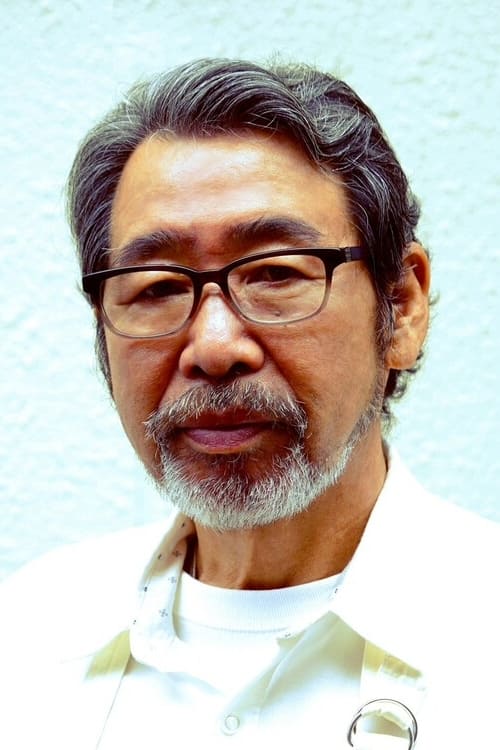
Kan Mikami is a Japanese folk singer-songwriter, his music, heavily influenced by American blues, was popular in Japan in the 1970s. He re-wrote the lyric of the song "Yume wa Yoru Hiraku" for his cover version in 1972. Mikami also acted in cinema and is notable for collaborations with Shūji Terayama and his avant-garde theater Tenjō Sajiki
Explore all movies appearances
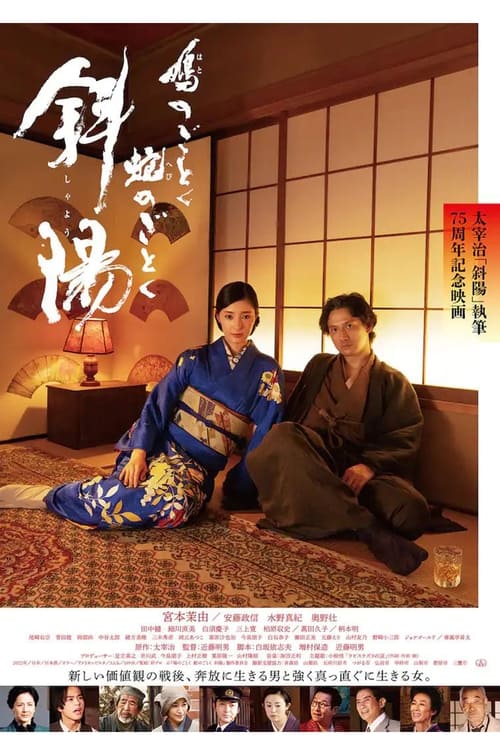
No plot available for this movie.

In front of a man who wants to be a movie director, Shingo, the ghost of Mr. Kawashita, who was a senior in the college film research department who committed suicide a year ago, suddenly appears on his death anniversary. Mr. Kawashita says that he was revived because he wanted to have sex with his junior, Aoi, who had a crush on him when he was in college. In order to fulfill his desire to work with Aoi-chan, Kawashita-san and Shingo will travel back in time on that day when he was in college, which was probably the only chance for Kawashita-san to work with Aoi-chan. There was a nostalgic college Aoi-chan there. Can Mr. Kawashita redo the past and do it with Aoi-chan? It's funny, but a little sad time slip love story begins.
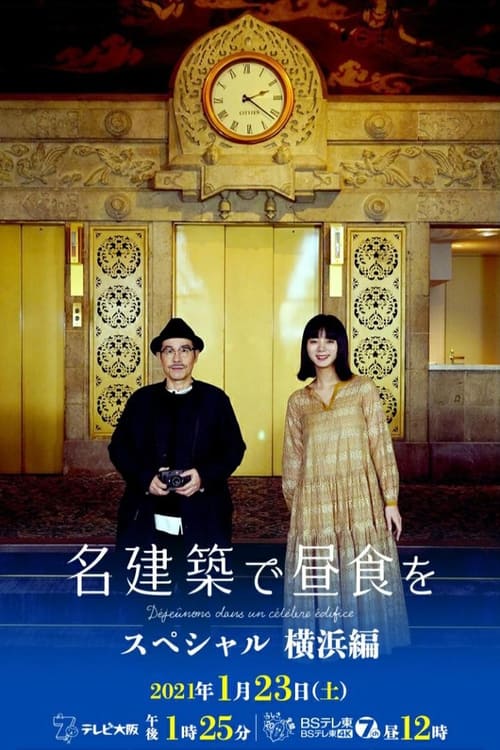
No plot available for this movie.
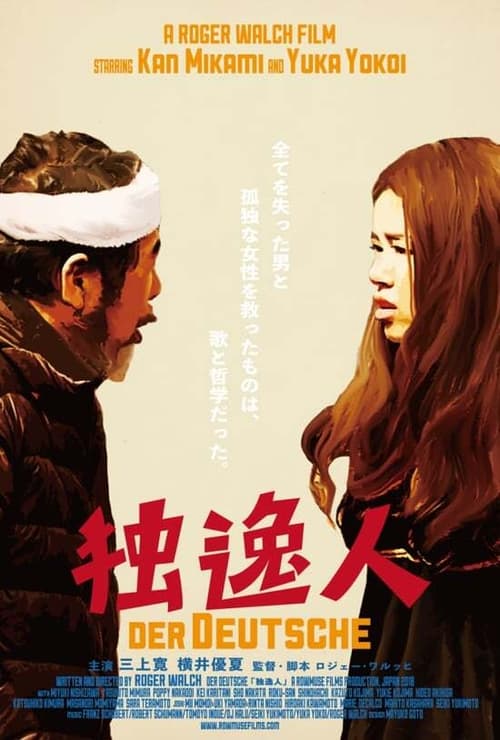
A former professor of German philosophy has lost his family due to a tragic accident and has since renounced the world. As a homeless man, he has been living in Osaka's notorious "Kamagasaki" district for four years and only speaks in quotes from famous German philosophers, which earned him the nickname "The German." One day he witnesses a blindfolded and bound young woman being pushed out of the car of a Yakuza boss in the middle of the homeless neighborhood. He saves her from imminent rape and takes her under his wing.
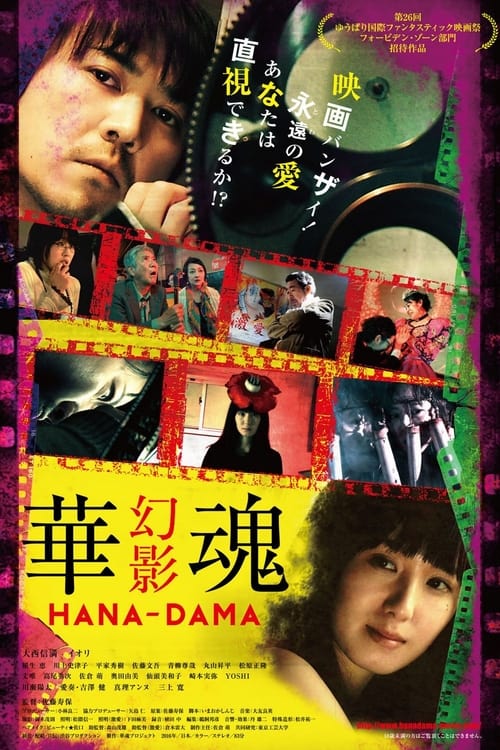
“Hana-Dama”—a flower in the wasteland. This flower is a symbol of earthly desires and every human is overwhelmed by desire and their rationality collapses wherever the flower is in bloom. And even today, the “Hana-Dama” continues to blossom profusely somewhere in the world. The story is set in a film theater, the facility keeps on closing one after another during recent years. The last day has come to a film theater which has been maintained by a film-loving owner, the staff, and their unique audiences. The symbol of human desire, “Hana-Dama,” blossoms at the theater and instigates people’s erratic behavior. Upon facing its closure, tremendous chaos that will be noted in the history of Japanese film takes place within this film theater.
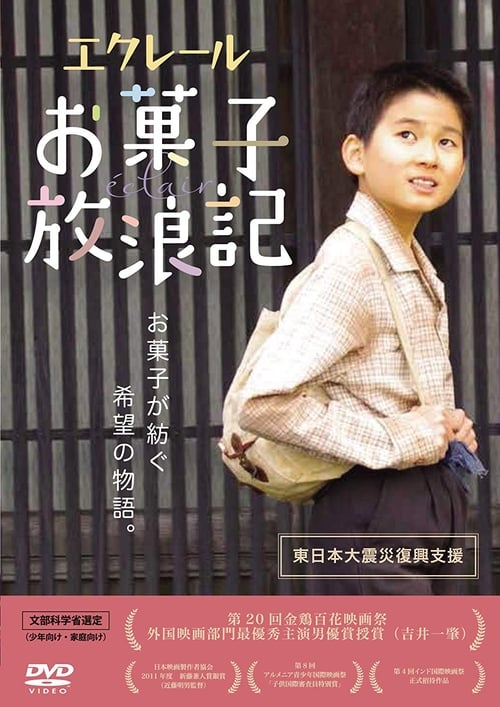
A film about an orphan kid in Japan in 1943
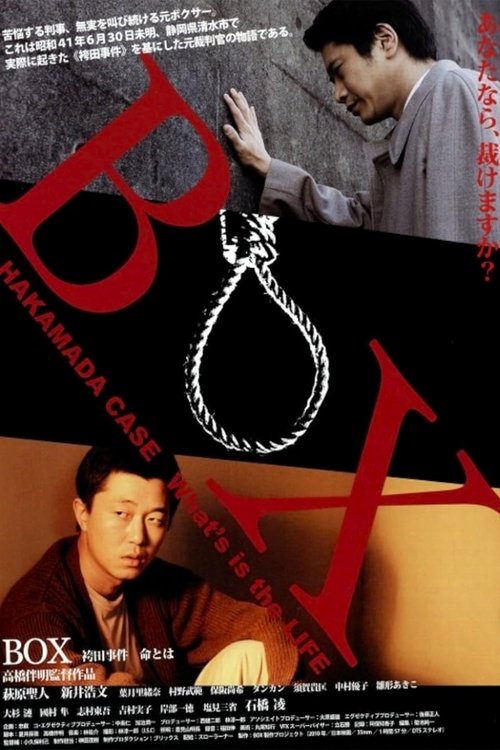
Based on the true story of former professional boxer Iwao Hakamada who has spent over 40 years incarcerated on death row. Iwao Hakamada was arrested for the June 10, 1966 murder of a family in Shizuoka . Iwao Hakamada has always insisted on his innocence and many others also believe Iwao Hakamada has been falsely accused ...
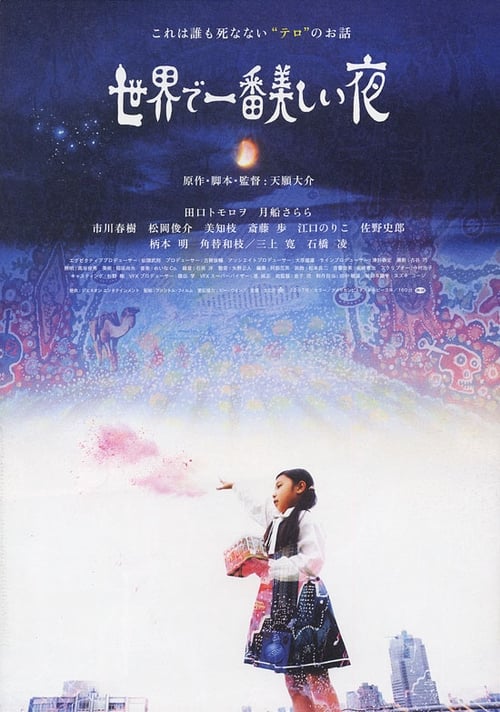
Betrayed and disgraced, big-city reporter Kazuya Mizuno is banished to a desk at Kaname's boring little town newspaper. But Kaname isn't as boring as it seems on the surface. Not with characters around like Shimeko, a girl genius with a childlike lack of propriety, and her ace fisherman/folk-singer dad. Or the overbearing and unpleasant local Shinto priest, a former Christian cultist. Or Endo, Kazuya's new colleague, a bitter drunk after his son's suicide. Or Kin, a former terrorist, now a hermit on his boat engaging in secret "research." Or perhaps most importantly Teruko, the hypnotically beautiful bar owner, the focus of all manner of innuendo and intrigue. Something mysterious, even mystical, is going on Kaname, and hapless Kazuya is about to be thrown into the middle of it.
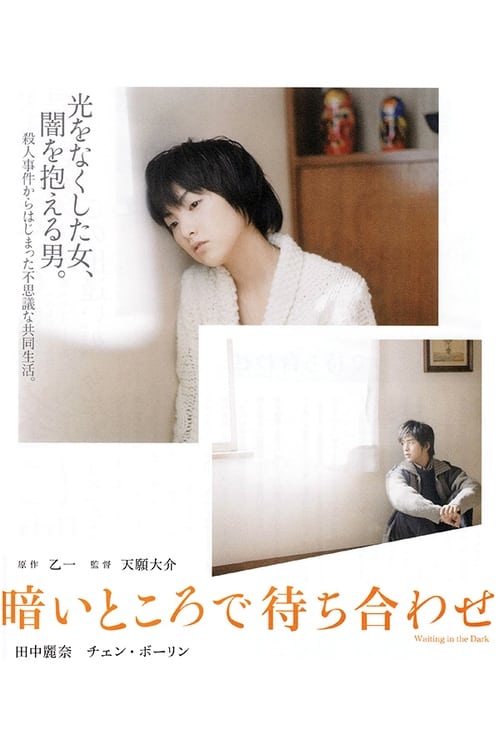
A precarious loner sneaks into a blind woman's home and begins living there without her noticing. Meanwhile, the woman mourns her recently deceased father and struggles to remain connected to the world.
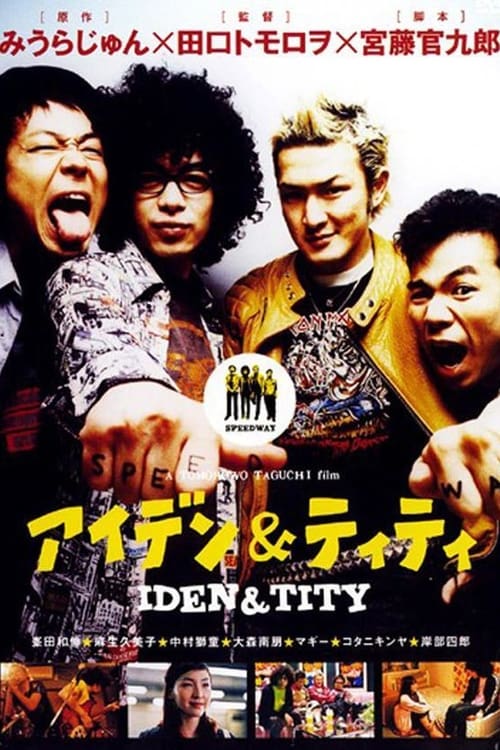
If you loved movies such as Shonen Merikensack and GS Wonderland, then this one, which predates the former, will impress you as well. The story is set in the 80s rock scene and revolves around Nakajima (Kazunobu Mineta), the lead singer of a band called 'Speed Way'. Because he refuses to write trite, pop-friendly songs he is constantly at odds with his own record company. However, he refuses to bend on his rock principles simply for better record sales. The most interesting parts of this movie is how they pay homage to music icon, Bob Dylan who gave the filmmaker his blessing, which is no small feat itself, especially for a Japanese indie debut.
Subscribe for exclusive insights on movies, TV shows, and games! Get top picks, fascinating facts, in-depth analysis, and more delivered straight to your inbox.