
Action
Adventure
Animation
Comedy
Crime
Documentary
Drama
Family
Fantasy
History
Horror
Music
Mystery
Romance
Science Fiction
Thriller
War
Western

Alfredo Félix Alcón was an Argentine theatre and film actor born in Buenos Aires. Widely regarded as one of the best and most important Argentine actors of the 20th century. He worked in more than 50 movies since his first one and received many recognitions for his work: among others, the Silver Condor, the Martin Fierro Award and the 1981 Diamond Konex Award.
Explore all movies appearances

San Martín's exile is crossed by the melancholic idea of return. A return that will never materialize. Distance, absence, remoteness. Are these founding traits of the Argentine soul? The Father of the Country who finally leaves, for better and for worse, his distant children alone.
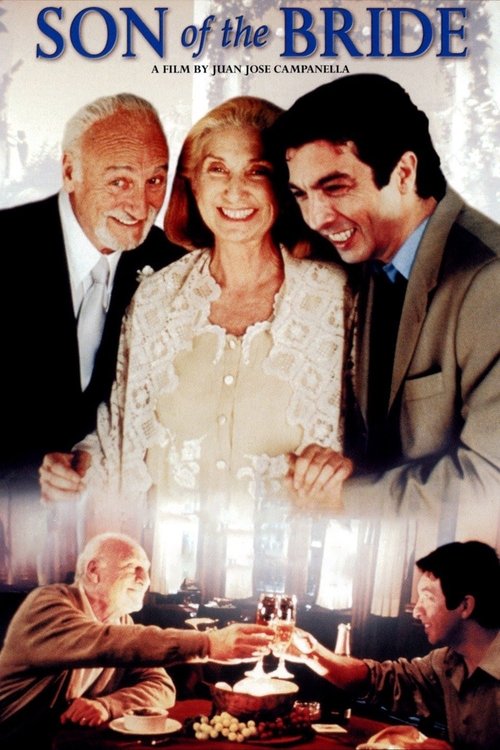
At age 42, Rafael Belvedere is having a crisis. He lives in the shadow of his father, he feels guilty about rarely visiting his aging mother, his ex-wife says he doesn't spend enough time with their daughter and he has yet to make a commitment to his girlfriend. At his lowest point, a minor heart attack reunites him with Juan Carlos, a childhood friend, who helps Rafael to reconstruct his past.
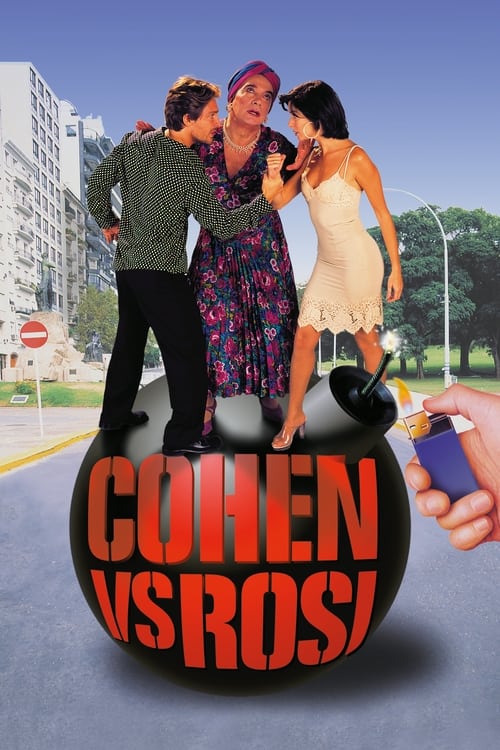
Two rival families of different origin join the force by the love of two young. The journalist Ariel Cohen falls in love for Carla Rosi, while investigating his father, Giancarlo, a wealthy shady business that is congressional candidate with presidential aspirations.
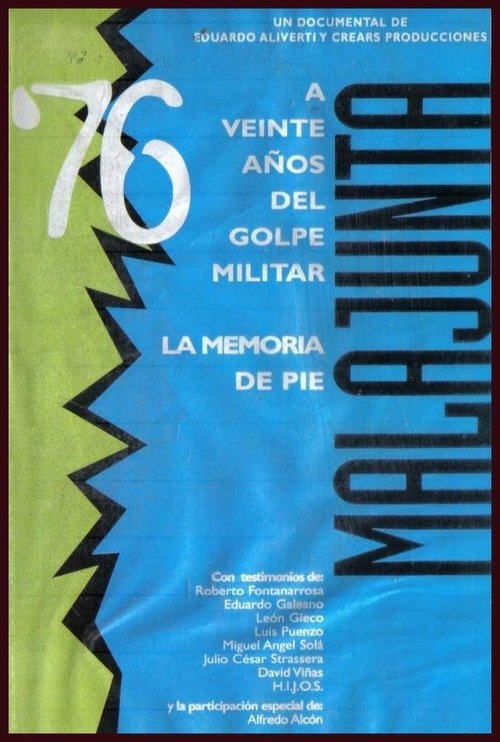
Documentary about Argentina's last military dictatorship and the legacy of one of the most brutal waves of repression, death and horror in Latin American history. Numerous people—historians, musicians, journalists, children of the desaparecidos (the disappeared) and others—talk candidly about how difficult it has been to uncover information about the whereabouts of the 30,000 missing men and women who were kidnapped and presumed murdered by the military. The intensely personal stories about missing relatives and the scope of the military junta's repressive policies also explain why, even now, many people resist coming to terms with Argentina's bloody past.
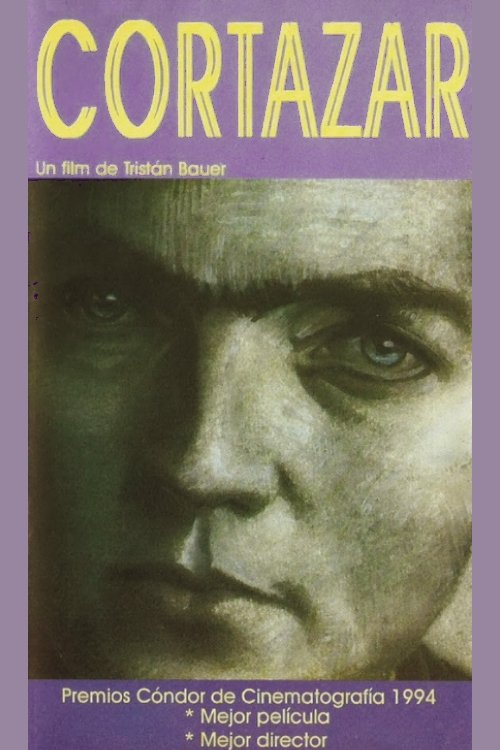
A portrait which explores the legacy and impact of novelist Julio Cortazar's art, perceptively examining it within the context of shifting tides of Argentine culture and politics. The author reads his own texts in this poetic documentary.
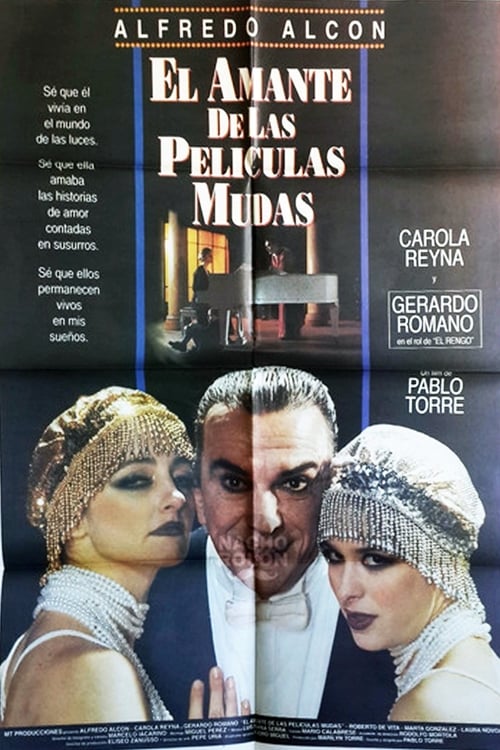
A boy has an unusual upbringing in a romantic setting, the household of a former film star, who reminisces about his past.
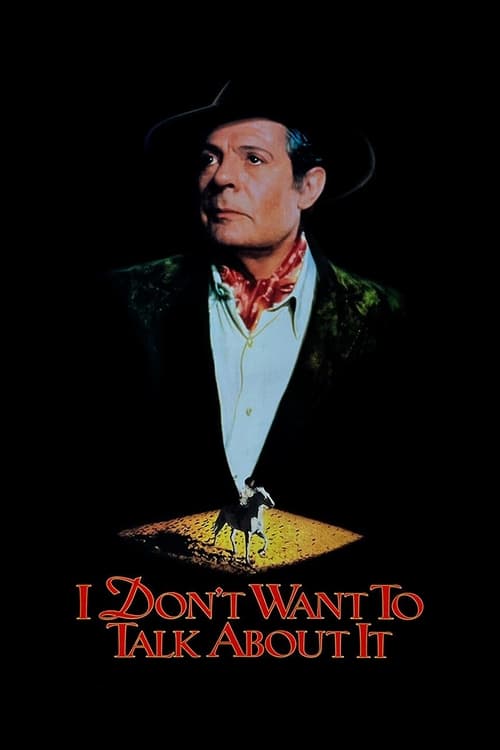
In an Argentine village in the 1930s, the willful Leonor discovers that her beloved daughter, Charlotte, has dwarfism. Attempting to let her have as normal a childhood as possible, Leonor never discusses Charlotte's lack of stature, nor lets anyone else in the village ever mention it. As Charlotte grows up into a smart and self-possessed young woman, local eccentric Ludovico, who collects miniatures, becomes smitten with her.
Based on the poetry of Alejandra Pizarnik, ”Vertigo, or contemplation of something that falls”, tells the story of the writer's life through stories from her family, friends and admirers.
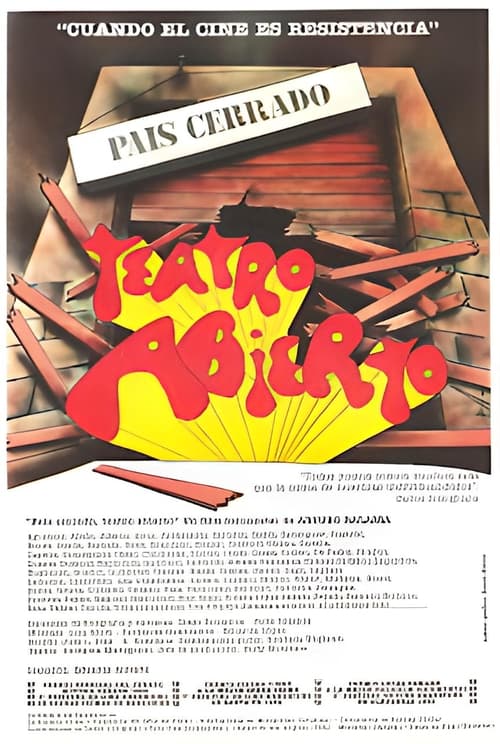
The history of the Teatro Abierto, which was initiated on July 28, 1981 as a cultural reaction against the last Argentine civic-military dictatorship, and organized by a group of artists and workers from the theater world
An authoritarian rancher about to die and his children live in a dingy mansion and fight each other over inheritance in a game of degradation.
Subscribe for exclusive insights on movies, TV shows, and games! Get top picks, fascinating facts, in-depth analysis, and more delivered straight to your inbox.