Action
Adventure
Animation
Comedy
Crime
Documentary
Drama
Family
Fantasy
History
Horror
Music
Mystery
Romance
Science Fiction
Thriller
War
Western
Explore all movies appearances

No plot available for this movie.
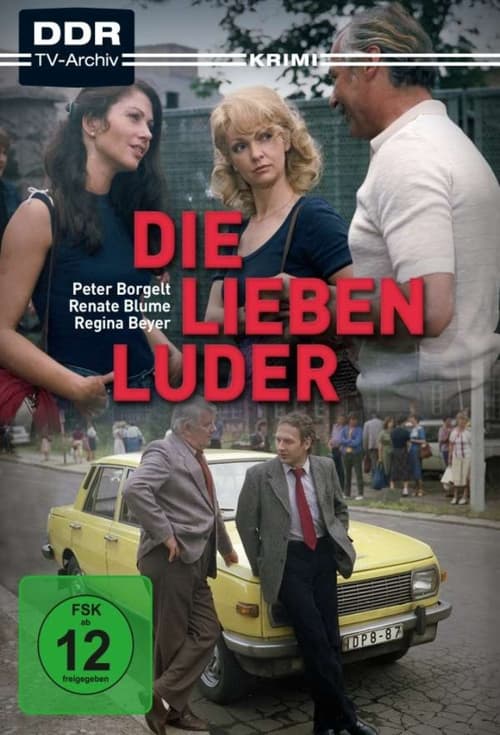
Factory workers Yvonne and Evchen have their nose full of married men who appeal to them again and again in their home for a short adventure. In short, they decide to profit from this state: Evchen goes to her home with the willing men and puts her in a clear situation of which the then suddenly emerging Yvonne takes a photo. Then it says: 5000 marks or your wife learns about this failed side jump. So far, so profitable! But when the two women encounter the art hehler Domski in their bar, things get out of control...
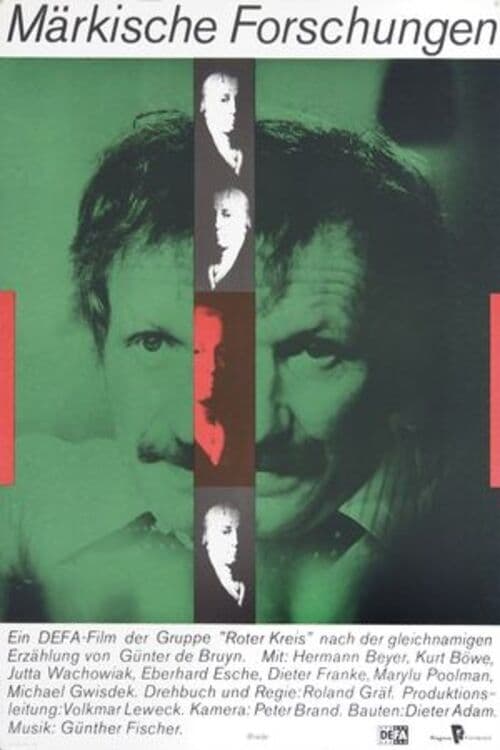
On a forest road in the Brandenburg March, village teacher Potsch accidentally encounters the distinguished Professor Menzel, who got stuck there in his car. In the conversation that ensues, Menzel and Pötsch quickly discover that they both are great admirers of the early 19th-century writer Max von Schwedenow who was born in the area.
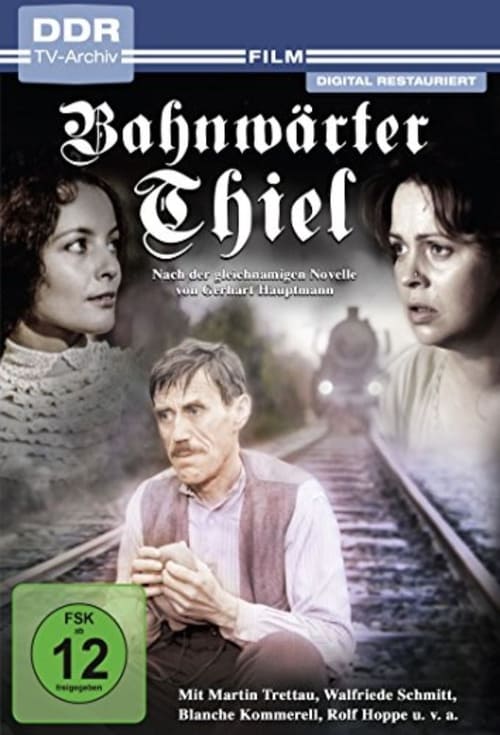
The film tells the tragic fate of railroad guard Thiel at the end of the 19th century. Thiel, who spends his days in the dull, monotonous fulfillment of his duties, has lost his gentle, quiet wife Minna. He remarries out of concern for his young son Tobias. His second wife Lene, with whom he also has a child, is superior to him in vitality and has a rough passion. He discovers that his child from his first marriage is being discriminated against and tormented by her - Thiel withdraws more and more into himself and becomes lonely. When Tobias is killed in an accident, he blames Lene, and disaster is inevitable...
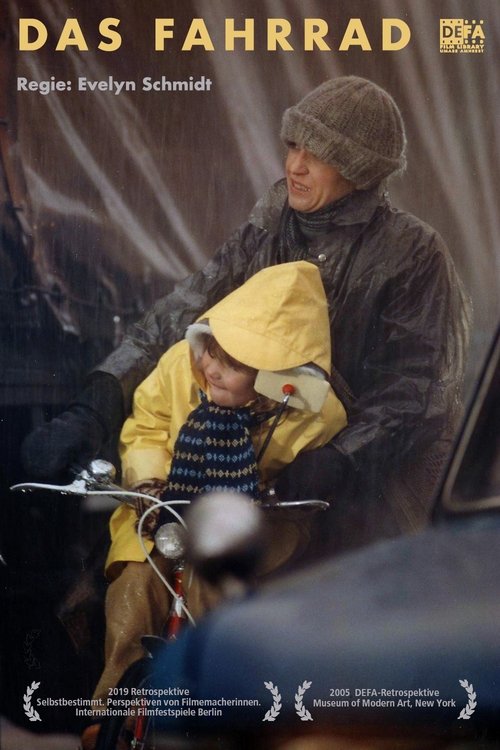
Susanne is a young single mother who lives a somewhat "carefree" lifestyle. After quitting her job, she finds herself in trouble financially and attempts a minor insurance fraud to make ends meet. Despite its rare view of everyday socialism from a woman's perspective, East German officials were critical of this frank portrayal of a less-than-ideal socialist citizen and turned down all invitations for the film to be screened abroad.

Ralph grows up in pre-war Dresden as the eldest son of a principled and orderly streetcar conductor. With the rise to power of the Nazis, the war, the collapse and the hesitant new beginning, his firmly established middle-class world is also thrown off course. His father is one of the first to be called up to the front. His mother is left alone with the responsibility for Ralph and his younger brother Achim. In the air-raid shelter, during the nights of bombing and later in the daily struggle against misery and hunger, the mother quickly abandons all moral baggage and develops a pragmatic will to survive, for which she admires Ralph. At the same time, the boy is frightened by his mother's desperate claim to happiness because he perceives her affairs as a betrayal of his father, who has gradually faded into a symbol of a happy, carefree childhood.
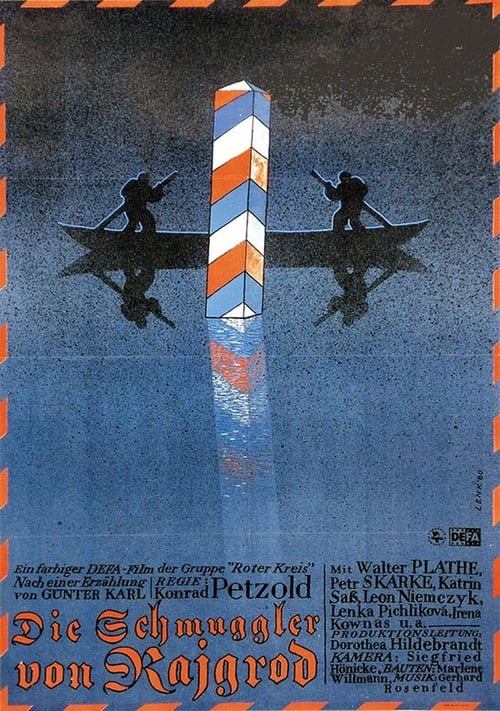
In 1903, Jan Anskath and his half-brother Martin are living in Rajgorod at the border between Russia and Prussia – Jan on the Russian, Martin on the Prussian side. Both are occasionally smuggling stuff over the border. But while Jan acts from political conviction and is smuggling illegal writings over the border, Martin is only interested in the money. That is why he does not question his shadowy client when he sneaks out refugees into Russia. But then it becomes evident that the distinguished gentleman has robbed the refugees from all of their belongings, only to turn them over to the authorities of the Czar.
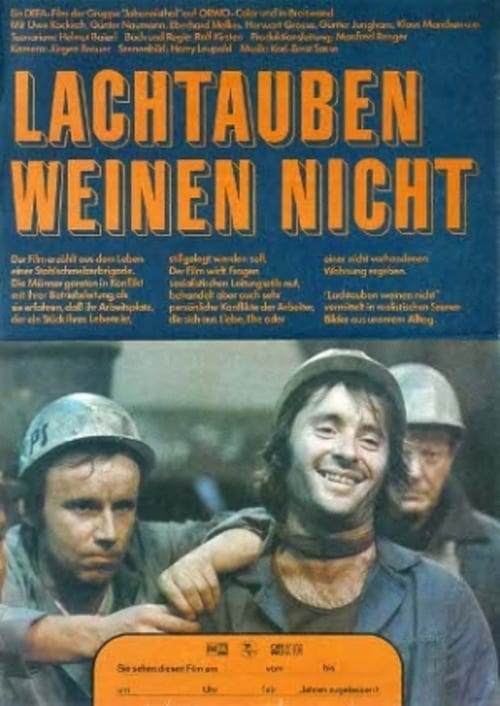
The film tells the story of the smelter brigade of a steel mill whose members are connected by a strong comradeship. Among the workers are, for instance, young Rolf, whom everybody just calls "Lachtaube" and who always comes through for his co-workers, or the likable Hubert, who works as a simple smelter again after being dismissed as the head of the steel mill. Then, there is also the stubborn Manfred, who should have become a brigadier long ago because of his experience and his competence, but this privilege is refused to him because Manfred is not a party member. Ironically, it is Manfred who hears by accident about the plans of the mill to close down the old Martin furnaces – and to lay off the smelters. When the other men learn about the plans they enter the barricades for their jobs and force the plant′s management to face the workers′ demands and criticism.
The 20-year-old Berliner Wilhelm, called Willi, returns from two years as a prisoner of war to the village of Weltzow in the Havel region, where he meets Hans Graber, a former comrade from the front. Hans is now a teacher and finds Willi a job with innkeeper Brunzel. His daughter, Mrs. Leidenfrost, has been a widow for five years, as her husband was killed at the front. Over time, she begins to take a liking to Willi, but Willi is not aware of this. He is interested in the dressmaker Ulla, but skips their first meeting when he learns in the inn that Ulla has an illegitimate child.
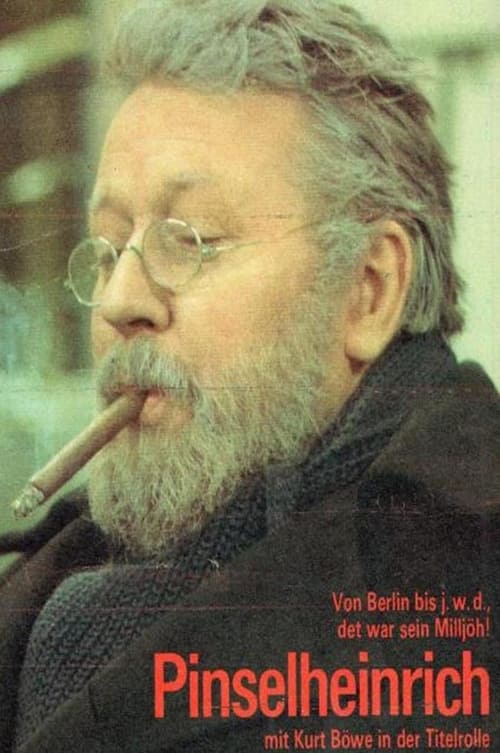
The television play by Werner Bernhardy depicts episodes from the life of Heinrich Zille as well as his much-praised "Milljöh". It tells of Zille's dismissal from the Berlin Photographic Society, of Kommerzienrat Hübel and his wife, of Zille's unreal, loyal friend Gustav Nogler, in whose role the experiences, attitudes and characteristics of many people from those years were incorporated, and of many other Berlin characters.
Subscribe for exclusive insights on movies, TV shows, and games! Get top picks, fascinating facts, in-depth analysis, and more delivered straight to your inbox.