
Action
Adventure
Animation
Comedy
Crime
Documentary
Drama
Family
Fantasy
History
Horror
Music
Mystery
Romance
Science Fiction
Thriller
War
Western
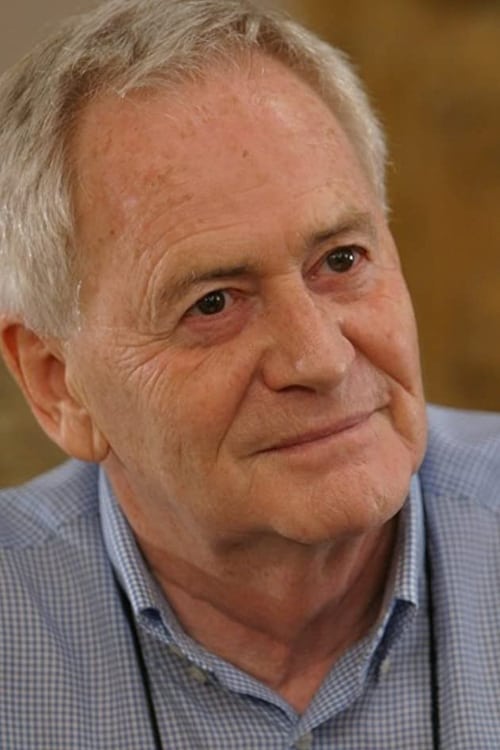
From Wikipedia, the free encyclopedia István Szabó (born 18 February 1938, Budapest) is a Hungarian film director. Description above from the Wikipedia article István Szabó, licensed under CC-BY-SA, full list of contributors on Wikipedia.
Explore all movies appearances

From the 1950s onwards, Erika and Ulrich Gregor brought countless film historical milestones to Berlin and shaped cinema discourse in post-war Germany. A look at the life and work of the couple without whom Arsenal and the Forum wouldn’t exist.
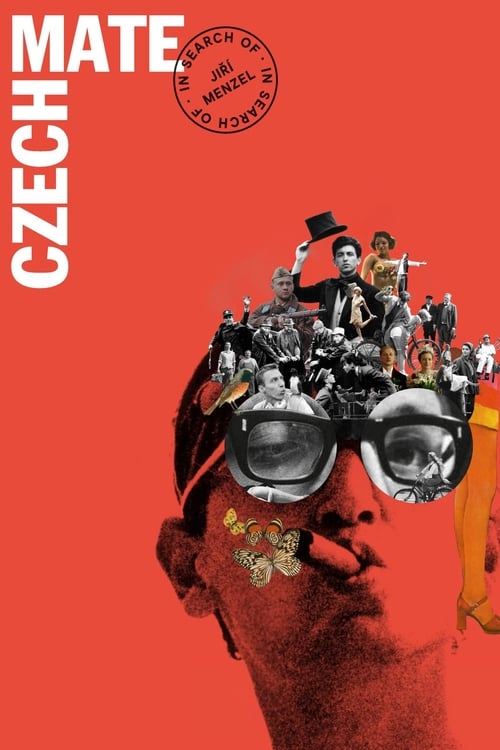
An epic exploration of the Czechoslovak New Wave cinema of the 1960s and 70s, structured around a series of conversations with one of its most acclaimed exponents - Closely Observed Trains director Jiří Menzel.
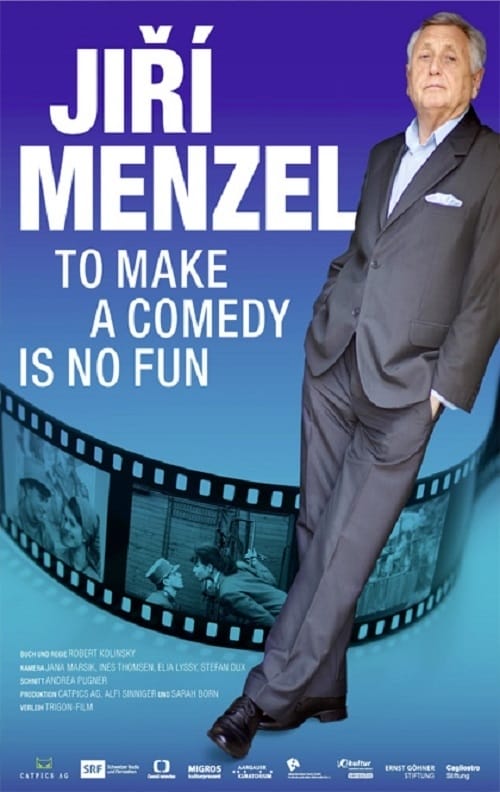
Documentary feature about Czech director Jiří Menzel, featuring Menzel himself as well as Miloš Forman, Emir Kusturica, István Szabó and others.

A documentary directed by Wolfgang Liemberger.
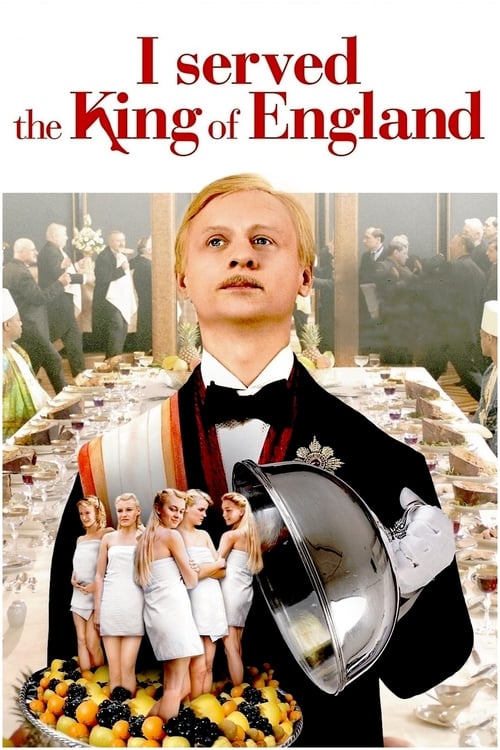
Prague, Czechoslovakia, during the inter-war period. Jan Dítě, a young and clever waiter who wants to become a millionaire, comes to the conclusion that to achieve his ambitious goal he must be diligent, listen and observe as much as he can, be always discreet and use what he learns to his own advantage; but the turbulent tides of history will continually stand in his way.

A young Jewish boy travels europe in search of the grave of his Great Grandfather who was killed by the Nazis in the War.
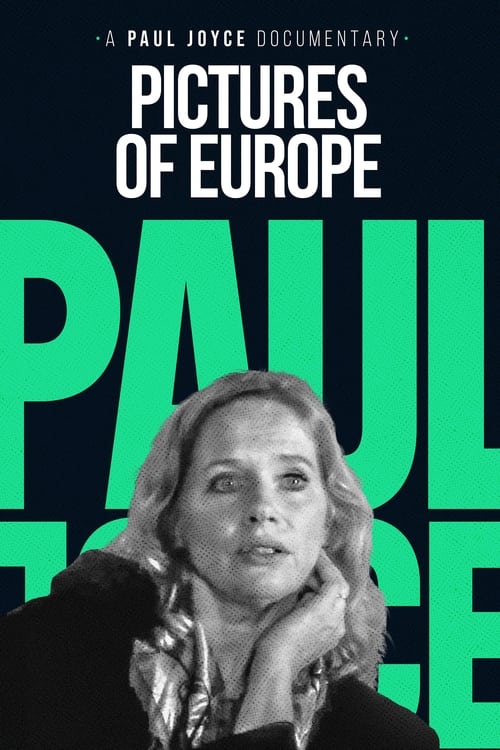
What makes European cinema so special? Find out in Paul Joyce’s feature-length documentary, Pictures of Europe, which examines the differences between American independent and Hollywood movies and films from European directors. Featuring luminary iconoclasts from European cinema such as Agnes Varda, Bernardo Bertolucci and Pedro Almodovar, as well as American counterpoints from Paul Schrader, and those who have crossed back and forth, such as Paul Verhoeven
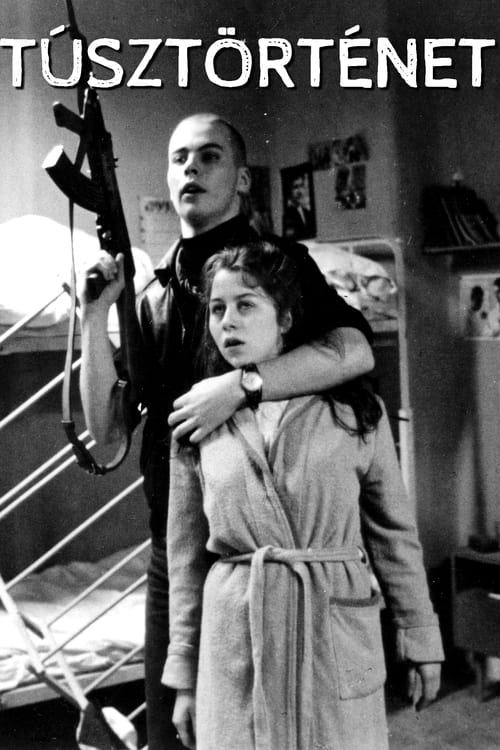
In a border town two sons of the local commander using stolen arms take hostages of eighteen girls in a dormitory, because they want to go West by plane.
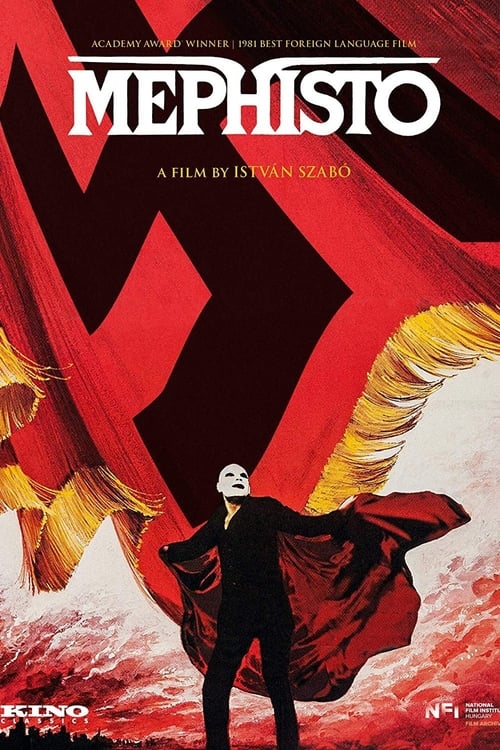
A German stage actor finds unexpected success and mixed blessings in the popularity of his performance in a Faustian play as the Nazis take power in pre-WWII Germany. As his associates and friends flee or are ground under by the Nazi terror, the popularity of his character supercedes his own existence until he finds that his best performance is keeping up appearances for his Nazi patrons.
István Szabó and Klaus Maria Brandauer talk about cinema, the repercussions of World War II, art and their films Mephisto (1981) and Colonel Redl (1985). Included in the extras of the DVD version of Mephisto.
Subscribe for exclusive insights on movies, TV shows, and games! Get top picks, fascinating facts, in-depth analysis, and more delivered straight to your inbox.