
Action
Adventure
Animation
Comedy
Crime
Documentary
Drama
Family
Fantasy
History
Horror
Music
Mystery
Romance
Science Fiction
Thriller
War
Western
Explore all movies appearances
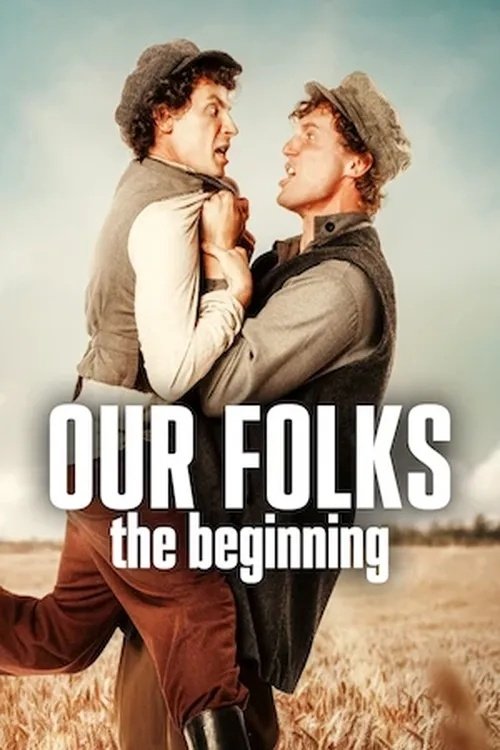
Pawlak and Kargul – the protagonists of the cult-favourite trilogy “Our Folks” – had been neighbours in a village in Podolia before they ended up in the Recovered Territories. Even then, it was one explosive neighbourhood.
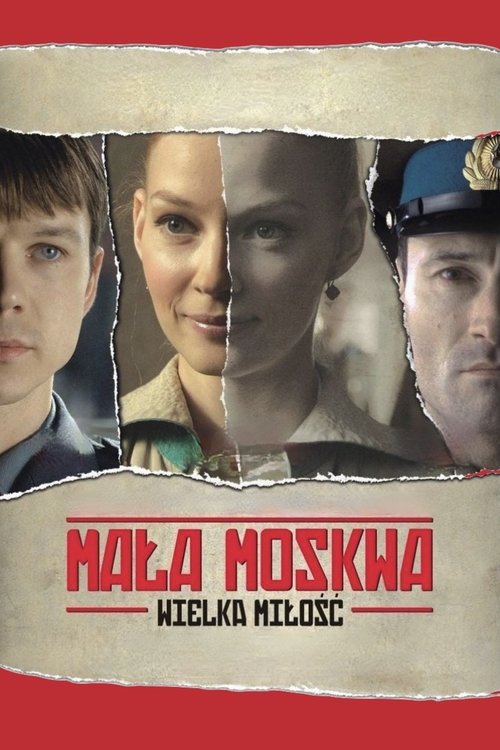
During the Cold War, a local Polish officer and a young Soviet woman wedded to a Soviet officer are drawn together by music.
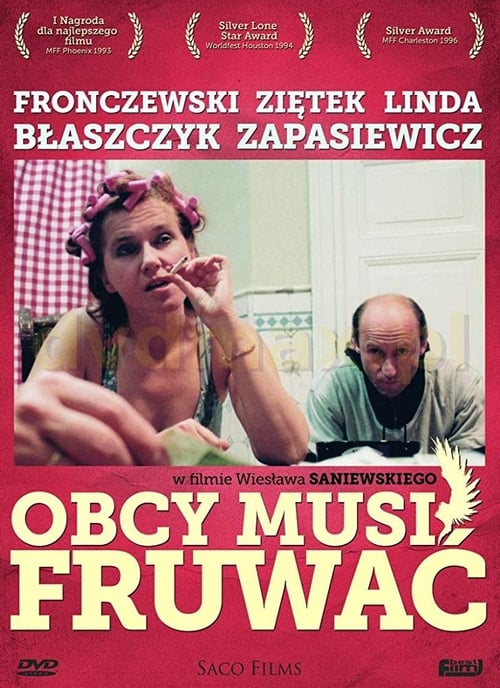
Berlin, 1990. At the invitation of his actor friends, who have already lived abroad for many years, Max, a Polish theater director, comes to Berlin. They begin to work together. They try to realize their dream: to stage a play, the staging of which was prevented by the imposition of martial law ten years earlier. The way they raise funds (selling pieces of the "historic" wall) and struggle against the heartless machinery of bureaucracy forms the axis of the film. In their efforts, the four protagonists are assisted by Regina, a translator familiar with local customs and practices. The film deals with the problems of artists in the new, commercializing reality.
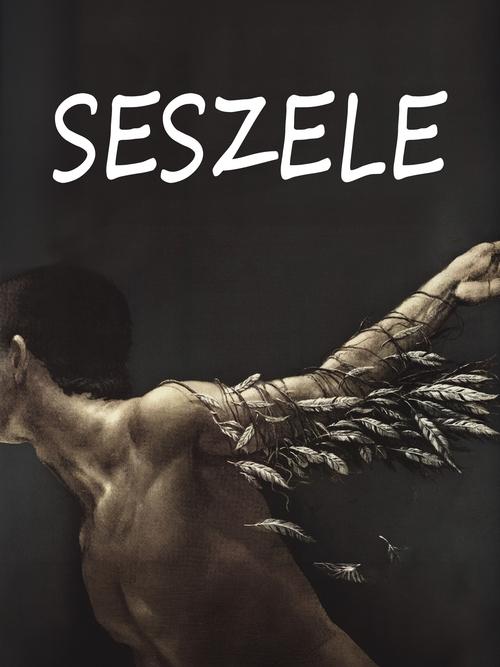
A small-time racketeer Stefek evades mob bosses by passing himself off as a mentally unstable cleptomaniac and laying low in an asylum. The racketeer and his closest devotee escape from the asylum and find work at the opera. Stefek becomes stage-doorman and soon discovers that the opera doubles as a brothel.
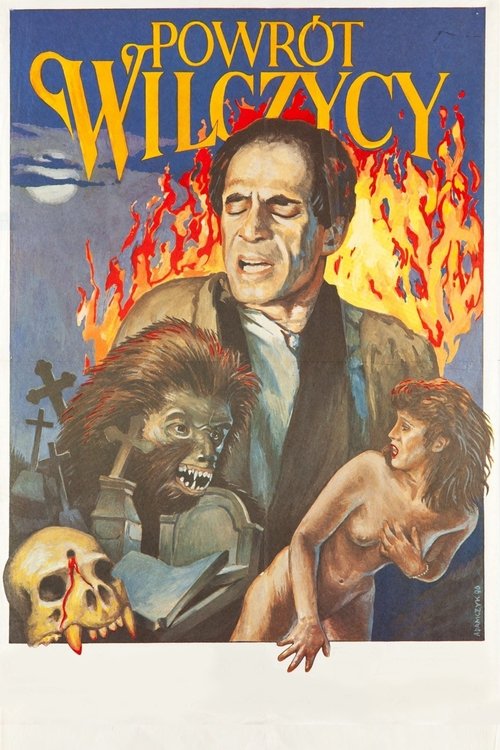
A young couple arrives to the palace, where years ago the Countess Julia, She-Wolf was terrorising its inhabitants. Soon the ghost of the Countess attacks the fiancée.
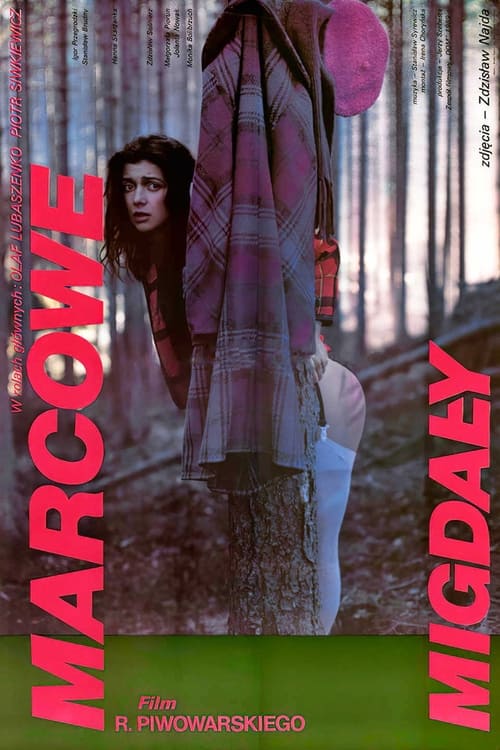
Young people living in Poland in the late 1960s had to face difficult times and make tough choices. Some of them were forced to leave their country for having Jewish origin. And for political reasons.
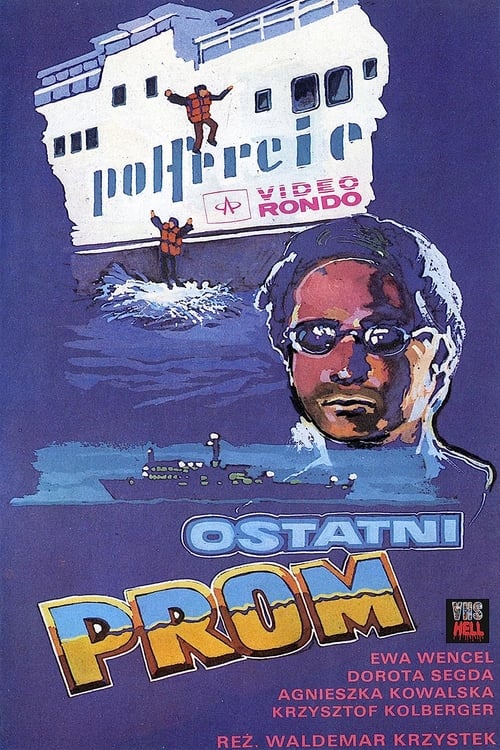
One of the passengers on a ship carrying Poles on a cruise in December 1981 is a dissident high school teacher sent abroad by Solidarity. He is under surveillance of the secret police, anxious to get their hands on the info that he is carrying. When the ship is in the middle of the Baltic sea, martial law is declared and the ship is militarized. The captain announces he will turn and return the home port. Many anguished passengers put the life vests on and jump into the sea, where they are picked up by two German ships. The teacher, however, decides to return to Poland and continue the struggle for freedom.
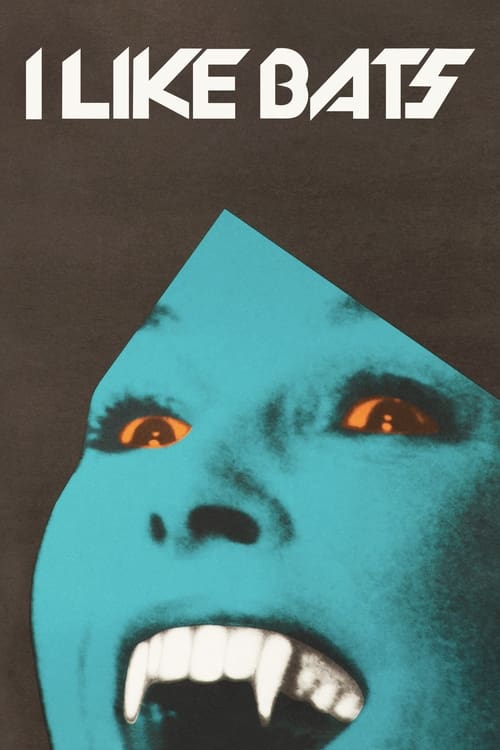
Izabella, a beautiful young woman, works at her aunt’s shop in a small town in Poland. She uses her hands to create unique small objects for the shop, but in the night she has the strange habit to feed bats.

Three vignettes showing a marriage crisis and a subsequent divorce.
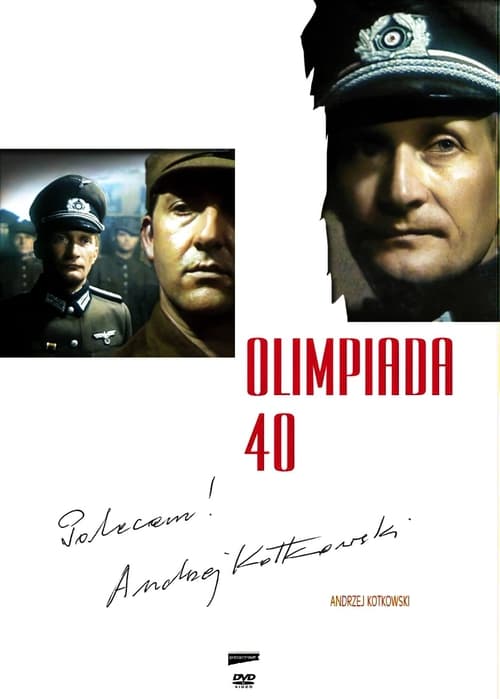
The film deals with the a clandestine Olympiade held in a German POW camp during WW II, housing many Poles, but also French and Brits. A spit and a Polish German lieutenant is added to the staff of a prison camp. He sees a Pole, the acknowledged leader of the Polish prisoners, against whom he had competed during the Berlin Olympics in 1936. He asks the Pole to train with him but is refused; the Pole points out out that he is a prisoner and nothing more. But that plants the seed and the Pole proposes and Olympics 40 to be held among the prisoners. They ingeniously make a flag and medals, set up a number of races; a croaching hop race is unwittingly organized by a German prison guard who uses it as a torture. The German lieutenant knows that something is going on but cannot find out. Finally the Germans realize the idea and the Polish chief is sent to concentration camp but the others disobey the orders.
Subscribe for exclusive insights on movies, TV shows, and games! Get top picks, fascinating facts, in-depth analysis, and more delivered straight to your inbox.
