
Action
Adventure
Animation
Comedy
Crime
Documentary
Drama
Family
Fantasy
History
Horror
Music
Mystery
Romance
Science Fiction
Thriller
War
Western
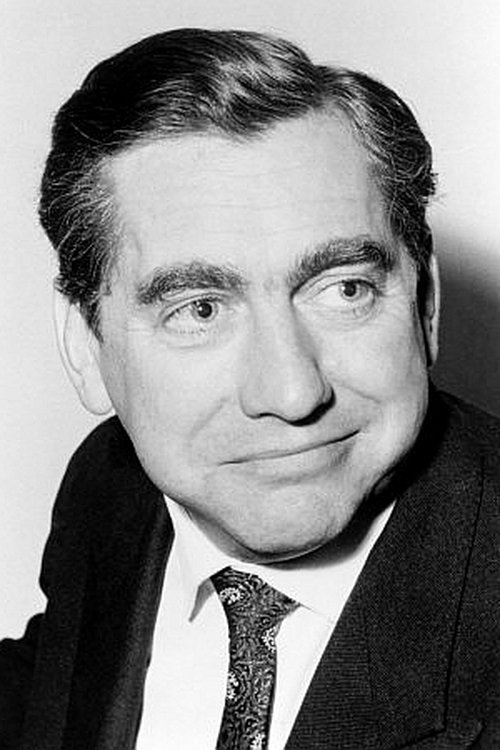
Anthony John Hancock was an English comedian and actor. High-profile during the 1950s and early 1960s, he had a major success with his BBC series Hancock's Half Hour, first broadcast on radio from 1954, then on television from 1956, in which he soon formed a strong professional and personal bond with comic actor Sid James. Although Hancock's decision to cease working with James when it became know...
Explore all movies appearances

Hancock fan Jack Dee presents Tony Hancock: Very Nearly An Armful. Taking its title from celebrated Hancock episode The Blood Donor, this two-hour retrospective features previously unseen scripts, scrapbooks and production files belonging to the lad himself, as well as personal items such as photos and letters.
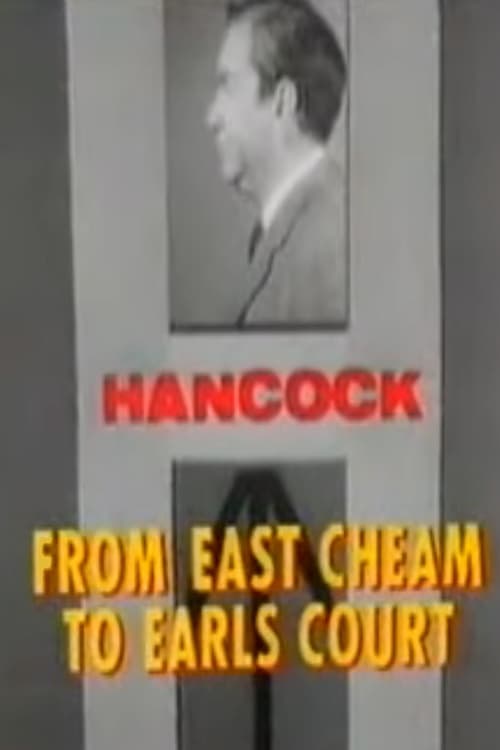
Ex-colleagues reflect on the comic genius and sometimes difficult character of Tony Hancock.
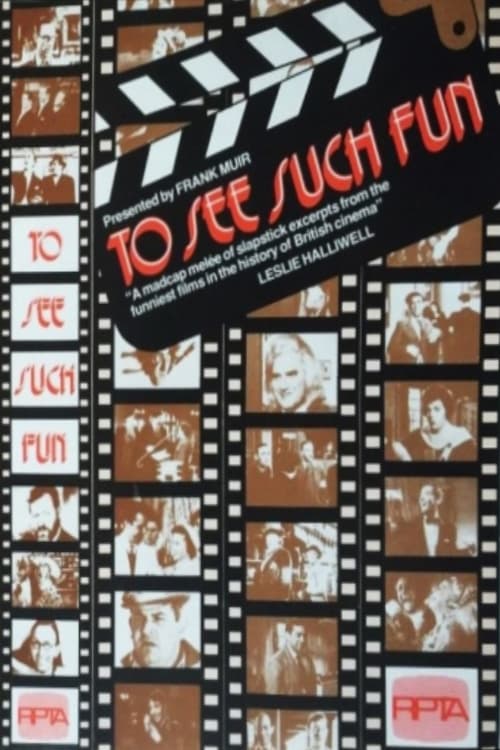
Compilation of classic British comedy moments
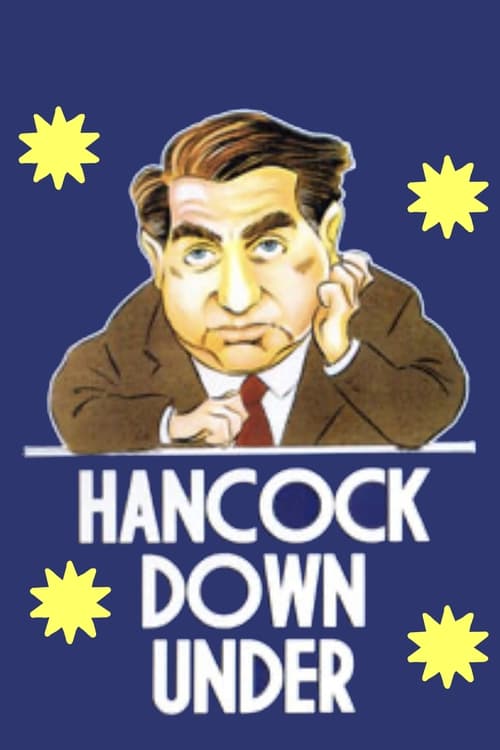
Hancock, (who was voted Britain's best-ever comic 35 years after his death) leaves his home in Railway Cuttings, East Cheam, England for warmer, more challenging climes. He encounters the Australian natives on his terms having dragged his attitudes with him halfway across the world.
A one-off special performance by Tony Hancock of his stand-up comedy act (which rarely changed), at the Royal Festival Hall, London.
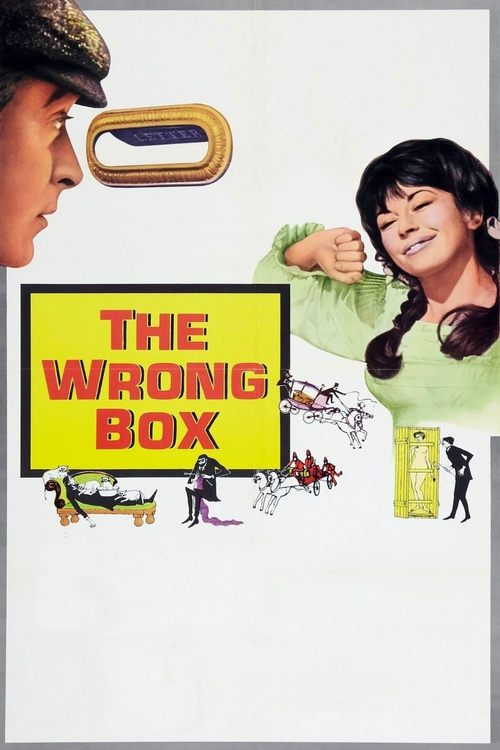
In Victorian England, a fortune now depends on which of two brothers outlives the other—or can be made to have seemed to do so.
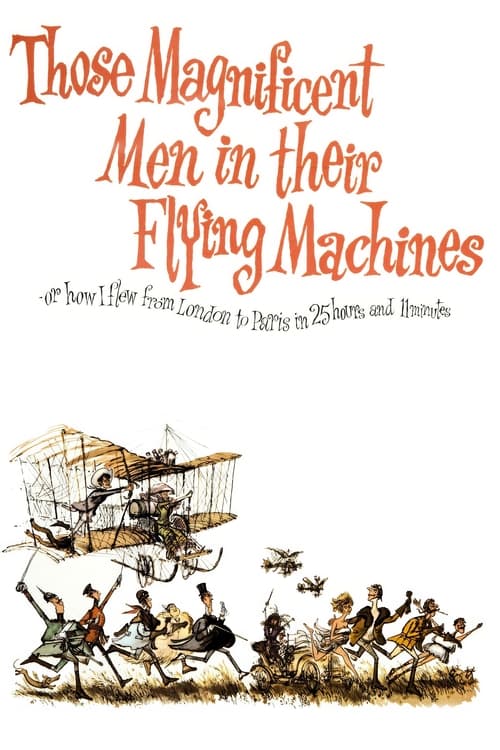
In order to boost circulation of his newspaper, Lord Rawnsley announces an air race and offers £10,000 to the first person who can fly across the English Channel. But one of the participants, Percy, plots to sabotage his competitor's planes. Will Percy triumph?
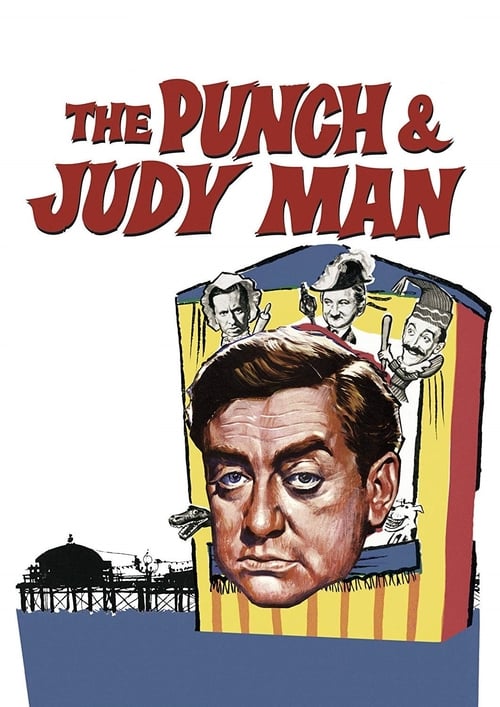
Walter Pinner is the titular Punch And Judy Man plying his trade in the seaside town of Piltdown. Unhappily married to his social climbing wife, who gets him to perform at the 60th Anniversary celebrations of the town in front of all the local dignitaries, his hatred of snobbery comes to a hilarious head.
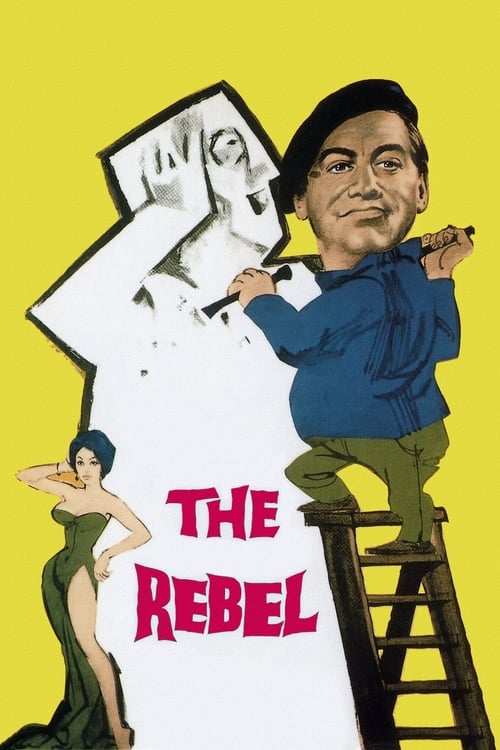
Anthony Hancock gives up his office job to become an abstract artist. He has a lot of enthusiasm, but little talent, and critics scorn his work. Nevertheless, he impresses an emerging very talented artist. Hancock proceeds to con the art world into thinking he is a genius.
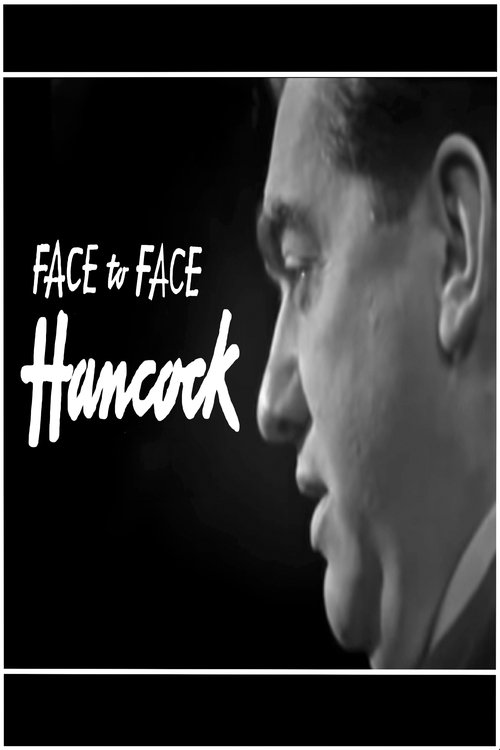
Tony Hancock engages in self-reflection, looking back at his childhood, his need to work, his health issues, and whether he could ever truly be happy. The program is believed to have played a role in his eventual downfall by amplifying his proclivity for self-criticism. During the interview, John Freeman posed probing questions about Hancock's life and career. Despite his admiration for the interviewer, Hancock seemed uneasy but responded candidly. Known for his inherent self-critical nature, it is frequently posited that this interview intensified that trait, ultimately contributing to his subsequent challenges. According to Roger, Hancock's brother, "It was the most significant misstep he ever took. I believe it all stemmed from that moment. Self-analysis - that became his undoing.
Subscribe for exclusive insights on movies, TV shows, and games! Get top picks, fascinating facts, in-depth analysis, and more delivered straight to your inbox.