
Action
Adventure
Animation
Comedy
Crime
Documentary
Drama
Family
Fantasy
History
Horror
Music
Mystery
Romance
Science Fiction
Thriller
War
Western
Enjoying the content? Support us!
Explore all movies appearances
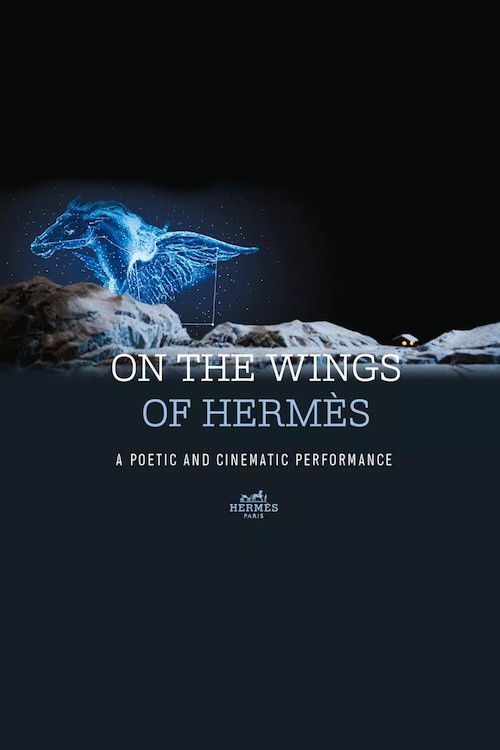
A cinematic journey behind the scenes of a dream reimagining the story of Pegasus, the winged horse from Greek mythology, through a mischievously captivating tale divided into six acts.
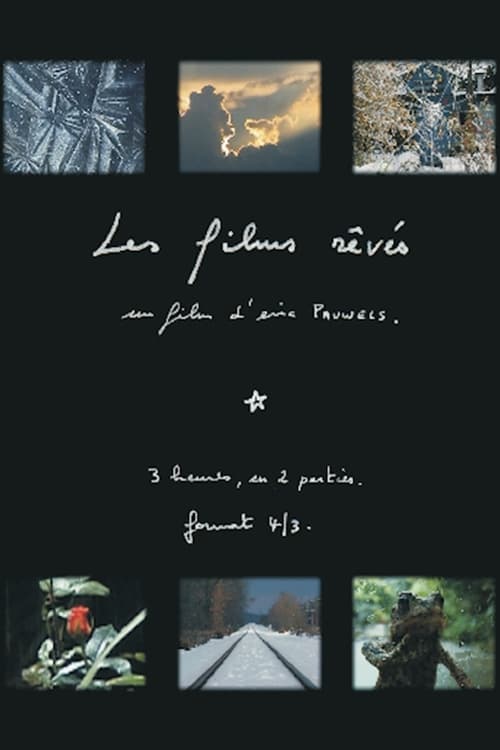
Belgian filmmaker Eric Pauwels' meditation on dream, travel and film.

Early 20th century. Singer Marie Toulinguet has lost her voice. Deeply affected by this personal tragedy, she is haunted by frightening memories of her childhood in Newfoundland (Canada). She remembers an Indian doll, a gift from her mother. It was made by a maid named Shanawdithit, the last survivor of the Beothuk Indians. As Marie relives her loss of voice, a bond is reestablished between her and the Indian woman who is dead. Through this enigmatic relationship, Marie can reconcile herself with her past and perhaps invent a future.
In musical terminology, the term " study " designates pieces to approach a specific problem : study for arpeggios, for the left-handed etc. The question here is how to merge dancing footage with elements of fiction. What is the right tone, the golden proportion to tell/dance the stories without resorting to techniques of a musical or a ballet ? New ways of telling a story: this is, without a doubt, a critical challenge for dance today. Twenty-one micro fictions by four Cie Michèle Anne De Mey dancers in witch the educational aspect of experimentation soon gives way to the pleasur of joyful poetics: an original blend of tender insolence and srtict elegance.
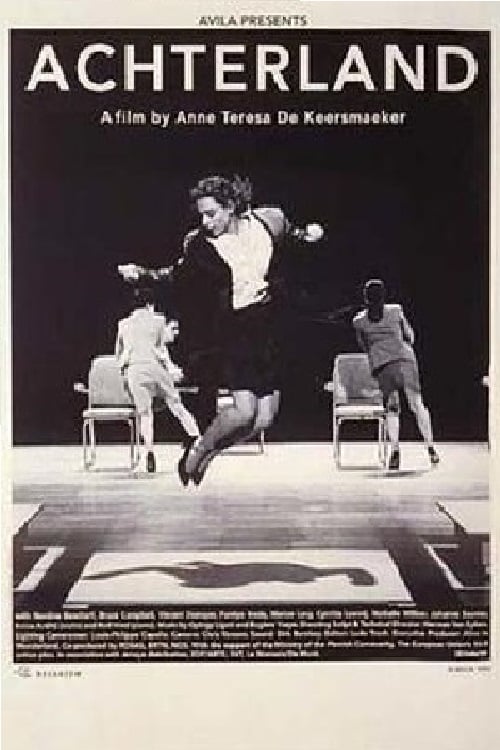
Film version of the dance performance of the same name.
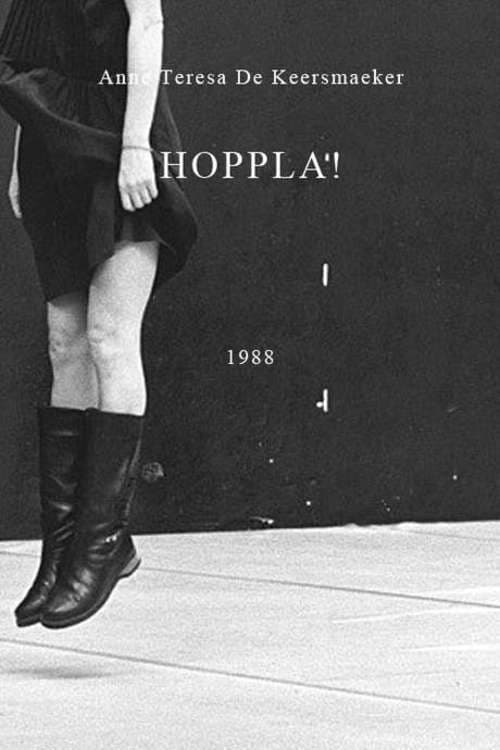
In Hoppla!, two choreographies by Anne Teresa De Keersmaeker are brought together and performed to the music of the Hungarian composer Béla Bartók: Mikrokosmos, seven short works for two pianos, and Quatuor no. 4, Bartók’s fourth string quartet. The reading room of the Ghent University library, designed by the renowned architect Henry Van de Velde, serves as location.
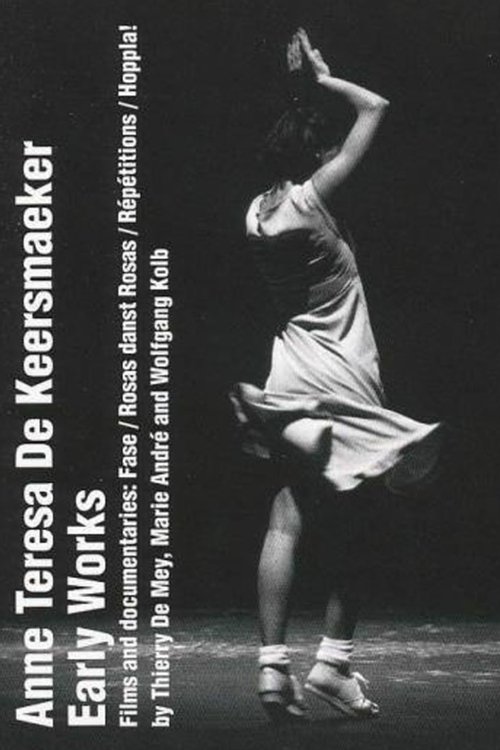
Episode of the Belgian Flemish Television (BRT) program Het Gerucht on the development of Anne Teresa De Keersmaeker's choreography "Bartók/Aantekeningen" (in English: "Bartók/Annotated"), created in 1986 for four dancers from the company Roses . "Bartók/Aantekeningen" is the fifth work by Anne Teresa De Keersmaeker, after "Ash" (1980), "Fase, Four Movements to the Music of Steve Reich" (1982), "Rosas danst Rosas" (1983) and "Elena's Aria". "(1984).
Subscribe for exclusive insights on movies, TV shows, and games! Get top picks, fascinating facts, in-depth analysis, and more delivered straight to your inbox.