
Action
Adventure
Animation
Comedy
Crime
Documentary
Drama
Family
Fantasy
History
Horror
Music
Mystery
Romance
Science Fiction
Thriller
War
Western
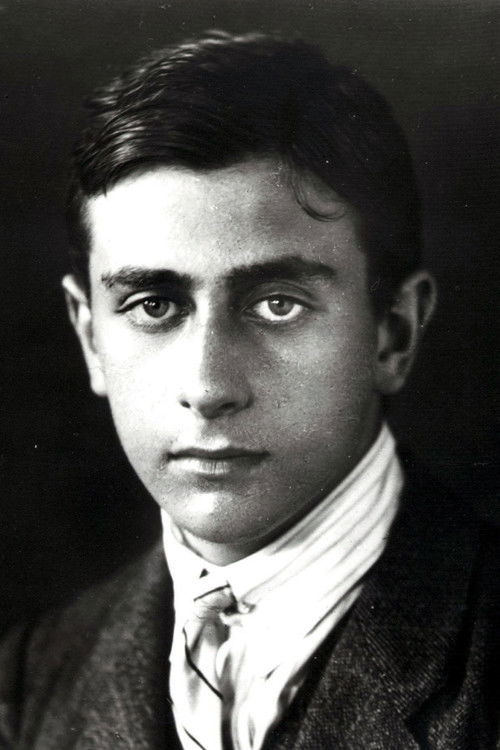
Edward Teller (Hungarian: Teller Ede; January 15, 1908 – September 9, 2003) was a Hungarian-American theoretical physicist who is known colloquially as "the father of the hydrogen bomb" (see the Teller–Ulam design), although he did not care for the title, considering it to be in poor taste. Throughout his life, Teller was known both for his scientific ability and for his difficult interpersonal re...
Not available
Enjoying the content? Support us!
Enjoying the content? Support us!
Explore all movies appearances
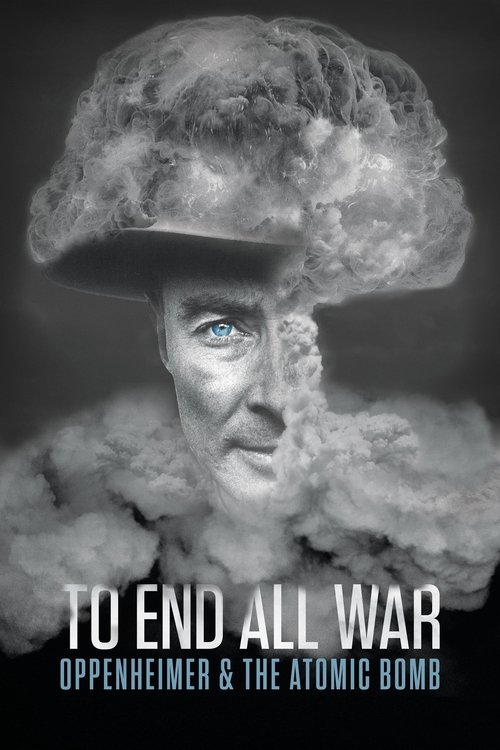
Explore how one man's relentless drive and invention of the atomic bomb changed the nature of war forever, led to the deaths of hundreds of thousands of people and unleashed mass hysteria.

The Cold War's wildest dreams of climate control have made a spectacular comeback: from the USA to China, 'geo-engineers' promise to make climate change the way we want. And they have found powerful supporters among lobbyists and entrepreneurs. This film is an investigation into the world-wide boom in geo-engineering. How did a pseudo-science with a controversial past become a planet-wide research subject?
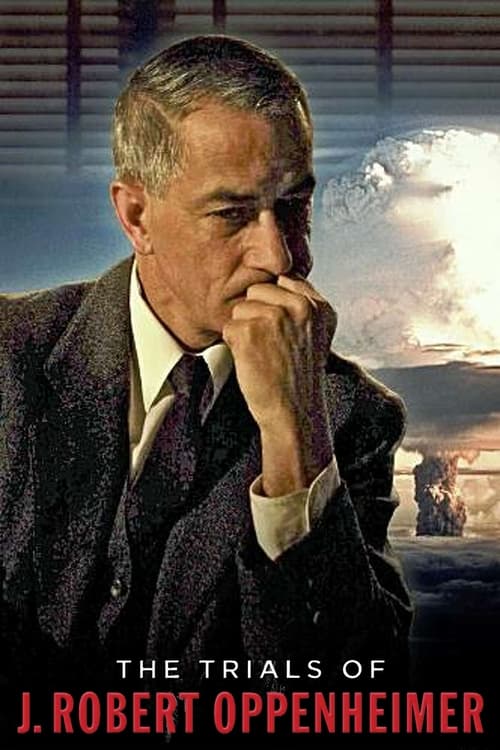
J. Robert Oppenheimer was a national hero, the brilliant scientist who during WWII led the scientific team that created the atomic bomb. But after the bomb brought the war to an end, in spite of his renown and his enormous achievement, America turned on him - humiliated and cast him aside. The question the film asks is, "Why?"
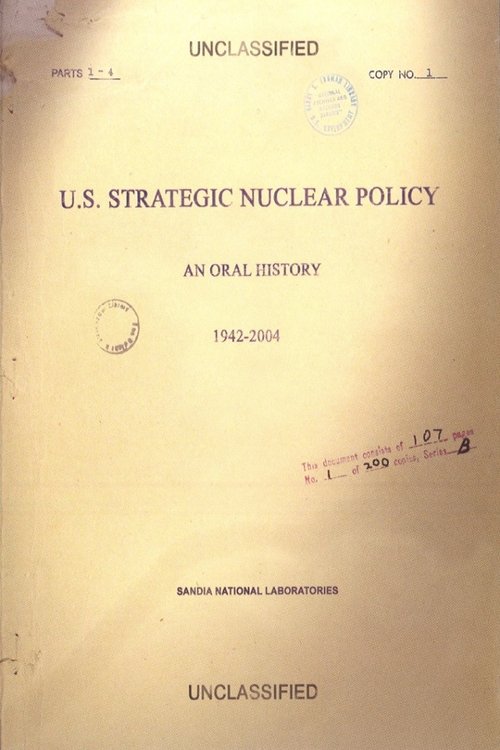
U.S. Strategic Nuclear Policy, An Oral History explores the origins of United States strategic nuclear policy and how it evolved. The documentary looks at this topic through the oral history of key participants including Robert McNamara, Edward Teller, James Schlesinger, Andrew Goodpaster, Harold Brown, Richard Garwin and William Kaufmann.

The enormous destructive power of nuclear explosions can be used, not just in theory, for peaceful purposes. In the second half of the 1950s, scientists from both nuclear superpowers began experimenting with smaller underground nuclear explosions, which were to be used to move large amounts of soil in the construction of canals, canals, and mining.

The Moment in Time documents the uncertain days of the beginning of World War II when it was feared the Nazis were developing the atomic bomb. The history of the bomb's development is traced through recollections of those who worked on what was known as "the gadget."
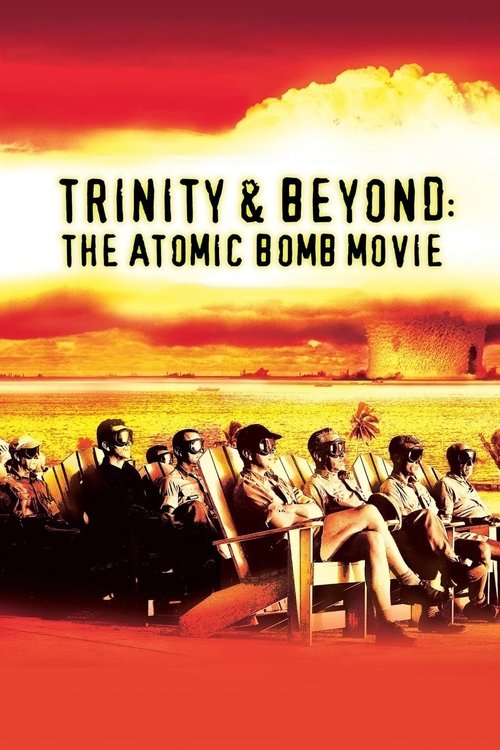
"Trinity and Beyond" is an unsettling yet visually fascinating documentary presenting the history of nuclear weapons development and testing between 1945-1963. Narrated by William Shatner and featuring an original score performed by the Moscow Symphony Orchestra, this award-winning documentary reveals previously unreleased and classified government footage from several countries.
A rare view from within, as several of the Manhattan Project scientists, including Hans Berthe, Robert Serber, Edward Teller, Robert Wilson, and more, speak of their experiences on the path to a terrible shared destiny. As their lives and work at Los Alamos are revealed, they relate stories of contradictions and jealousies, and how each came to terms with the atomic era's most immediate consequence: the destruction of Hiroshima and Nagasaki.
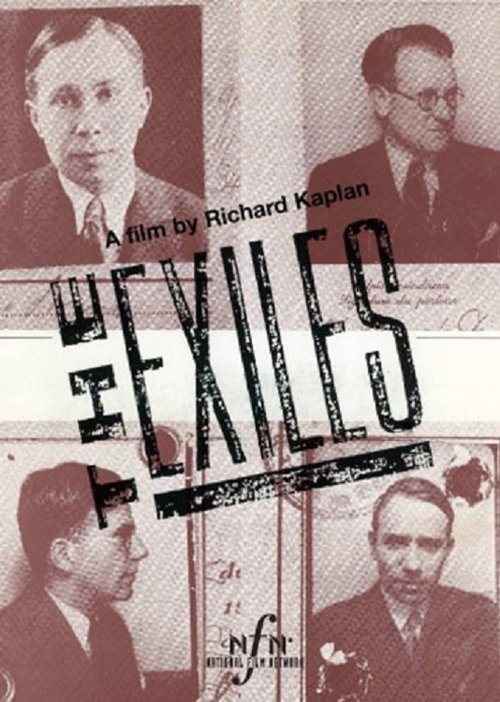
A chronicle of the rescue of oppressed intellectuals and artists from Europe before the outbreak of World War II. It studies the cultural and intellectual impact of this emigre population on American life.
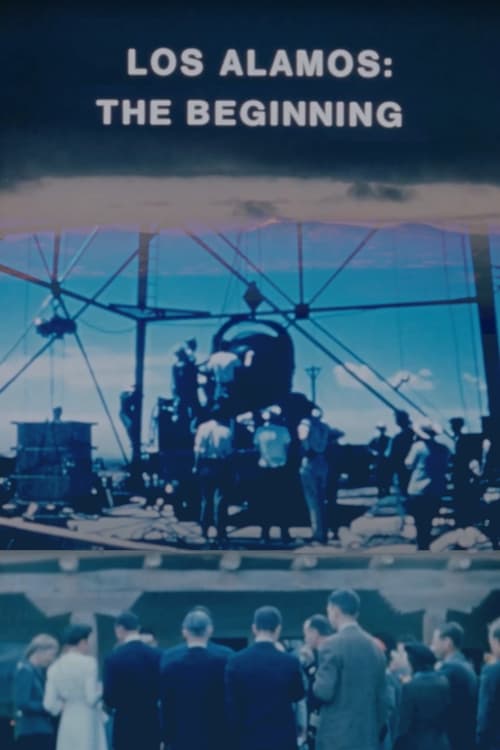
A documentary composed of historical footage and contemporary interviews from the men and women of Los Alamos, recalling their experiences of the community and the creation of the atomic bomb from the inception of the program in 1943.
Subscribe for exclusive insights on movies, TV shows, and games! Get top picks, fascinating facts, in-depth analysis, and more delivered straight to your inbox.