
Action
Adventure
Animation
Comedy
Crime
Documentary
Drama
Family
Fantasy
History
Horror
Music
Mystery
Romance
Science Fiction
Thriller
War
Western
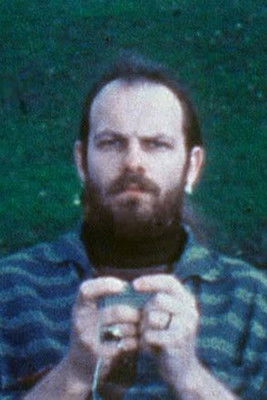
The road which led Jakobois, like many experimental film-makers, to filmic expression was painting. This development he owes to a succession of encounters and personal choices rather than to a university or art school. He has worked in the mediums of sculpture and painting since 1972, influenced by the writings of Jean Dubuffet and the work of Paul Klee, exploring the confluence between minimal ar...
Not available
Enjoying the content? Support us!
Enjoying the content? Support us!
Explore all movies appearances

The episode of Gérard Courant's Carnets filmés, Crime contre le cinéma (December 25, 2006 to December 2, 2006) is divided into four parts: Colas Ricard at Centre Pompidou, Joseph Morder at La Rochelle, the Filmer à tout prix Festival in Brussels, and Michel Nedjar and Jakobois at Centre Pompidou.
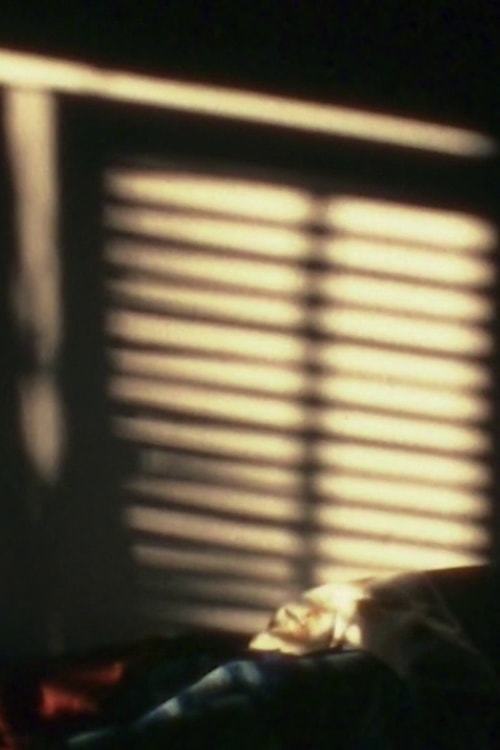
Eyes and ears travel discontinuously through everyday life and the sub-worlds of the city and the body. A fragmented and subjective day-to-day chronicle that outlines a recurring obsession for registering even the most ordinary things, where the least poetic aspects of life, that is to say, the most somber ones, become the eye’s filter.
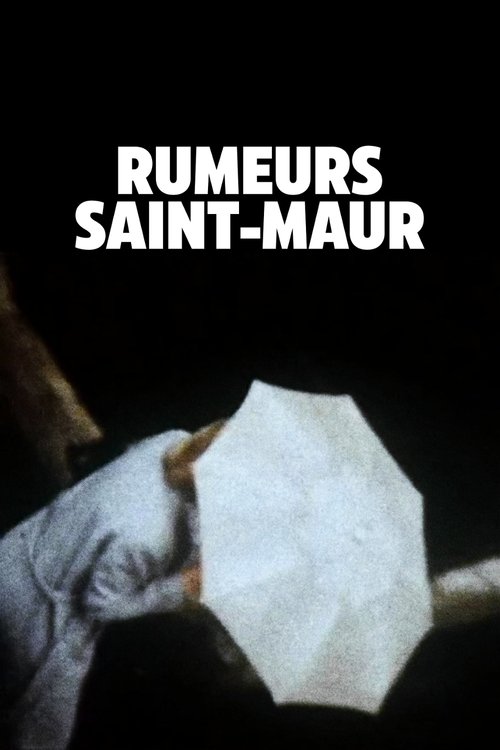
"Sounds of images" come to me from the windows overlooking rue Saint-Maur (the former pilgrims' path to Saint-Denis) and suddenly make me want to take a closer look. "Images", at the same time, spring from T.S.F.'s post, Louis Moreau Gottschalk starts playing on the keyboard of the pedestrian crossing at the bottom, there, just below my windows; Henri Vieuxtemps makes the umbrellas dance to an old American tune and Gaël, on a visit, takes up this tune on his magic flute. "Some naturalists claim that insects adapt to the vegetation around them and modify their physiology accordingly," says Louis Moreau Gottschalk; I claim that some filmmakers adapt to the spectacle around them and modify their perception of the world accordingly. Certainly I am one of them, and I console myself by thinking that I am not the only one of my kind.
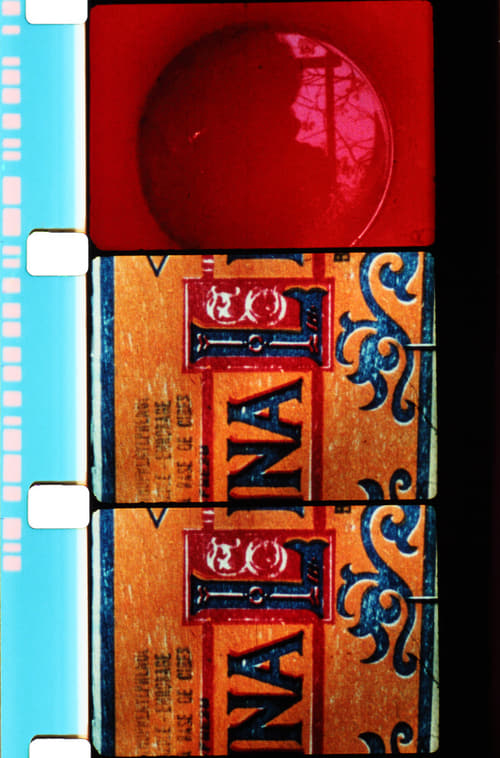
Teo Hernandez films waste and scrap found on the pavements of the streets of Paris. “Sidewalks are great subjects: garbage, objects and materials, stains, signs, are a movie subject.”
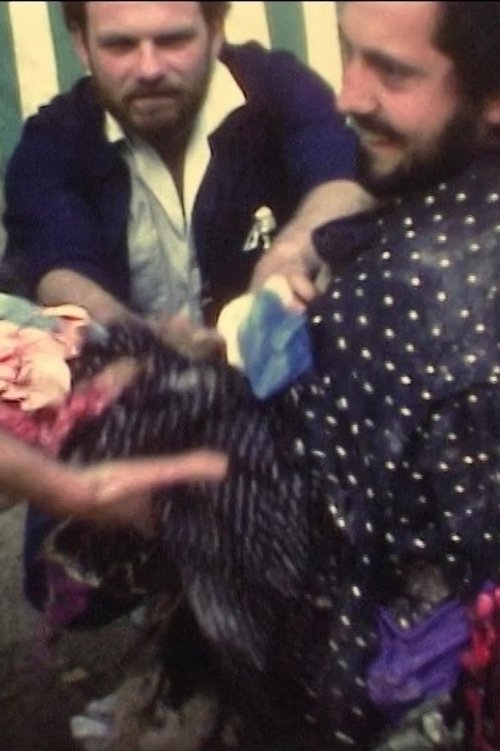
Outtakes from the movie
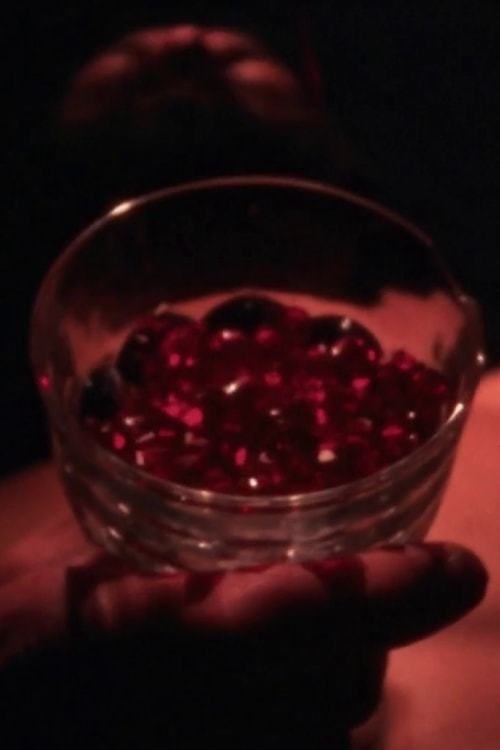
Chutes de Lacrima Christi is an 95‑minute experimental collage film assembled entirely from unused outtakes of Teo Hernández’s earlier work Lacrima Christi. Co‑created with Gaël Badaud between 1979 and 1980, it repurposes discarded Super 8 color footage into a series of non‑linear vignettes that fuse Christian myth with everyday imagery. Using the “chute” technique—physically gluing scraps of film into new sequences—the film explores the meeting of two cultures, Europe and America, and reveals dreamlike resonances in mundane moments. By reframing offcuts from the Passion tetralogy, Hernández invites viewers to discover hidden narratives and poetic meaning in material that was originally deemed surplus.
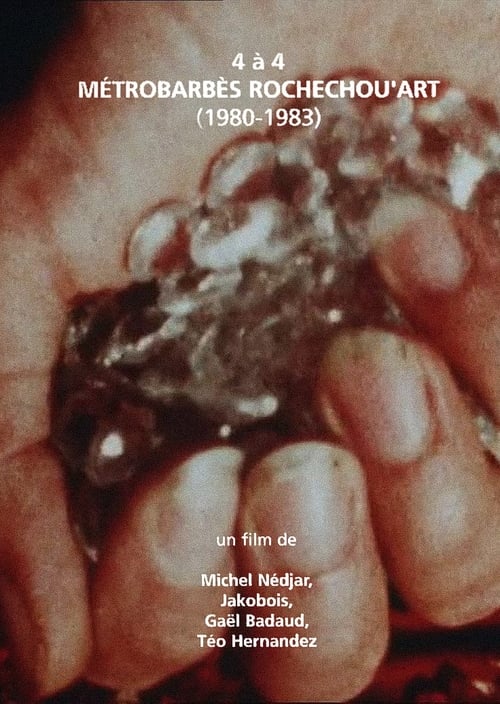
In the early '80s, this collective of artists invented a style of cinema made in 4 hands, where each of the protagonists is also a filmmaker.
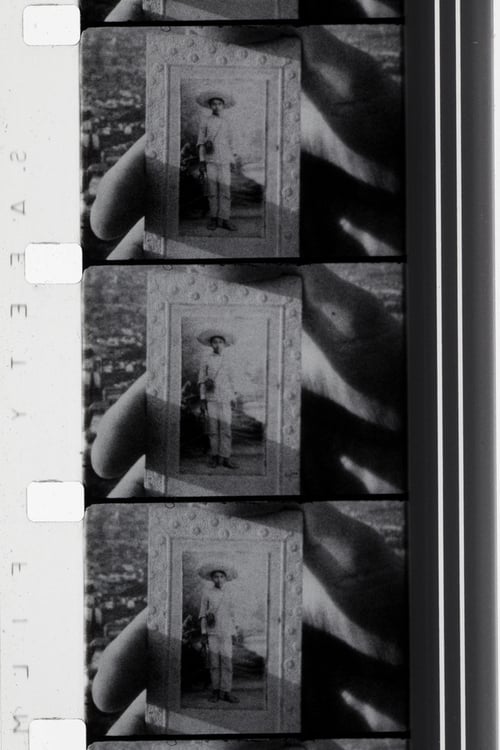
An autobiographical black-and-white short in which Teo Hernández portrays his Purépecha father by holding backlit old photographs atop the Montparnasse Tower while reading a manifesto of sorts on his filmmaking.
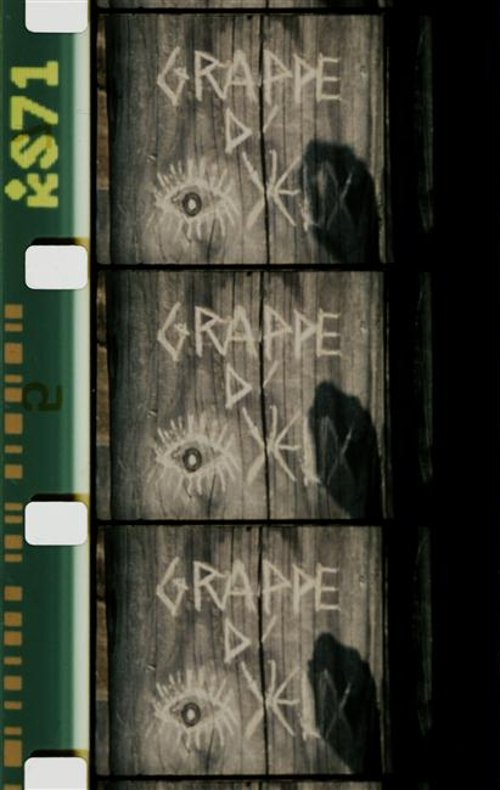
Through the use of portraits, shadow play and reflections, this series of exercises with and from body language compose a "four-handed" look against the notion of authorship: a vindication of the community content (repressed?) in every image.

Reel 26 of Gérard Courant’s on-going Cinematon series.
Subscribe for exclusive insights on movies, TV shows, and games! Get top picks, fascinating facts, in-depth analysis, and more delivered straight to your inbox.