
Action
Adventure
Animation
Comedy
Crime
Documentary
Drama
Family
Fantasy
History
Horror
Music
Mystery
Romance
Science Fiction
Thriller
War
Western

Paul Barge is a French actor and director known for his work in film and television. He directed Le paradis des riches (1978) and has acted in various productions, including the TV series Les cinq dernières minutes (1958) and Émile Zola ou La conscience humaine (1978). Barge's contributions to French cinema and television have been marked by his versatility and dedication to the craft.
Explore all movies appearances

An adaptation of Joseph Conrad's first novel, taking us to the Malaysian mangrove forests against a backdrop of colonial decadence.

On the shores of Aulis, the Greeks prepare to attack Troy. But their ships are unable to set sail because the gods are holding back the winds necessary for departure. Agamemnon consults the oracle. The solution is tragic. To appease the goddess Artemis, whom he had offended, he must sacrifice his own daughter.
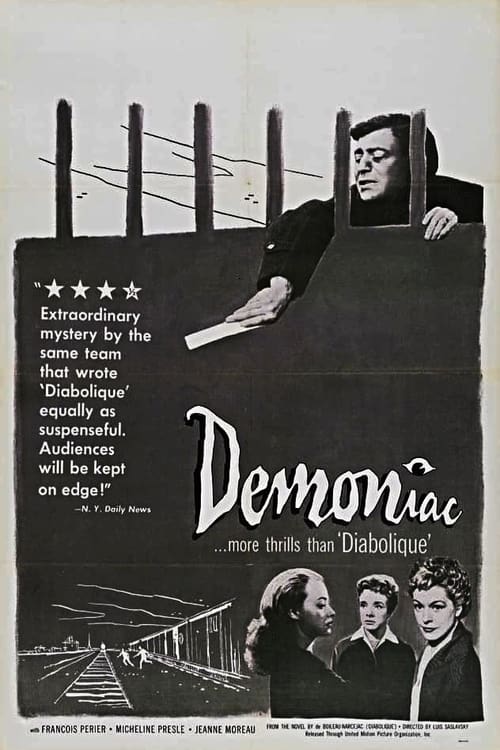
Gervais escapes from a German concentration camp and assumes the identity of a recently deceased fellow prisoner. Knowing that the dead man has been carrying on a romance by correspondence with Hélène, whom he has never seen, Gervais makes the acquaintance of the woman and they move in, but her sister Agnès dabbles in the black arts, which should be warning enough for Gervais to make himself scarce. Yet he sticks around, intrigued that the dead man's sister, Julia, refuses to blow the whistle on him.

Just released from prison after serving a six-month sentence, Fernand Bastia goes into hiding. He has indeed double-crossed his gang by keeping part of the product of a robbery for himself. Thanks to his sister Marcella, Fernand has taken refuge in a small circus where she works. There, he falls in love with Gina but also arouses the jealousy of Quedchi, a fairground stall-holder who has seen him hiding the stolen money. After a while, Fredo Riccioni, the boss of the gang and his men, manage to trace him...

A young novitiate witnesses a murder. Later, she recognizes the culprit, who admits to the killing; the sister works to convince him to turn himself in to the police.

A GI on furlough attends a Folies-Bergères show. He falls in love with a dancer, Claudie, the star of the theater.
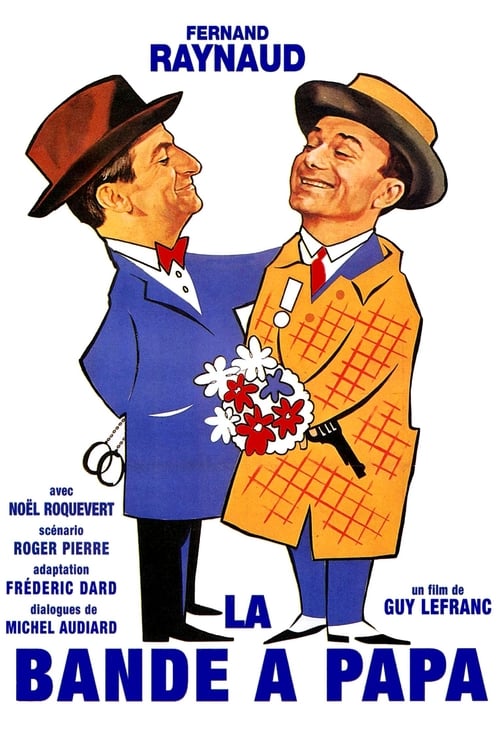
Shy, timorous bank clerk, Fernand Jérôme, prevents -unwillingly of course - a gang led by "Le Grand J" from robbing the "Crédit Populaire", where he works. Having become a hero out of the blue, this new status allows him to woo Renée, the daughter of chief inspector Merlerin. What Merlerin does not know is that the man he has been trying to arrest for years, "Le Grand J" is in fact Joseph Jérôme, Fernand's father, who has disappeared for years...

In the 1950s, in a small provincial town, a young inexperienced judge clashes with an influential notable during an investigation into a suspicious death. His perseverance to get to the truth will cause a huge scandal.
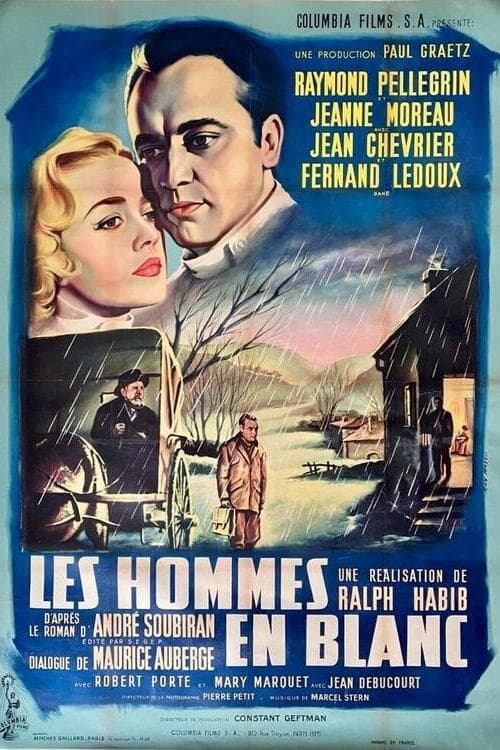
Jean Nerac completes his medical studies, sure of a successful career, but less sure of his attempts with fellow student Marianne, who refuses to accept him. Nerac leaves for the Auvergne. An old doctor will soon die, but replacing him will be difficult, as one of Jean's colleagues has failed. However, with patience, skill, modesty and friendship, Jean Nerac overcame the mistrust of his patients. He settled in these austere mountains, and Marianne, convinced of the young man's worth, helped him with her presence.
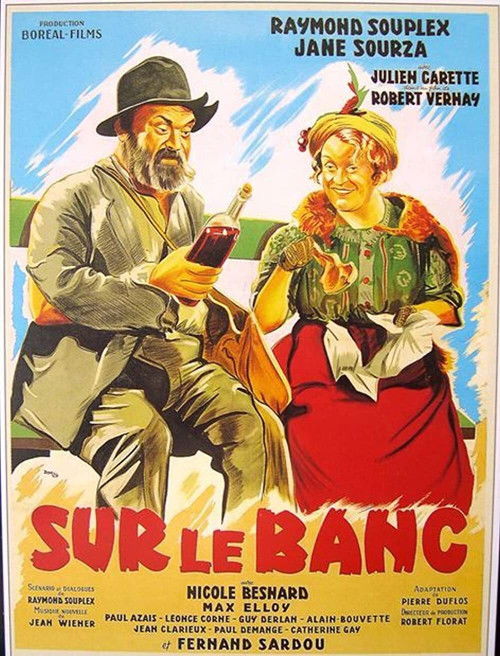
La Hurlette and Carmen are a pair of philosophical tramps who enjoy simple pleasures in the company of the cheerful Sosthène. As in the fairy tales, La Hurlette learns that he has just inherited a tidy fortune, provided he can find a job. By dint of hard work, he manages to do so, and a banquet brings together his disinherited friends. Determined to live the high life, La Hurlette and Carmen lose all their inheritance at the Cabourg casino, and end up as philosophical as ever on their favorite bench.
Subscribe for exclusive insights on movies, TV shows, and games! Get top picks, fascinating facts, in-depth analysis, and more delivered straight to your inbox.