
Action
Adventure
Animation
Comedy
Crime
Documentary
Drama
Family
Fantasy
History
Horror
Music
Mystery
Romance
Science Fiction
Thriller
War
Western
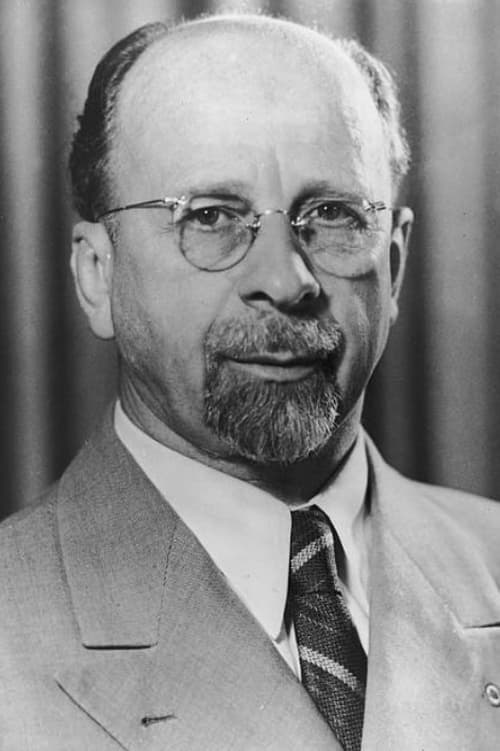
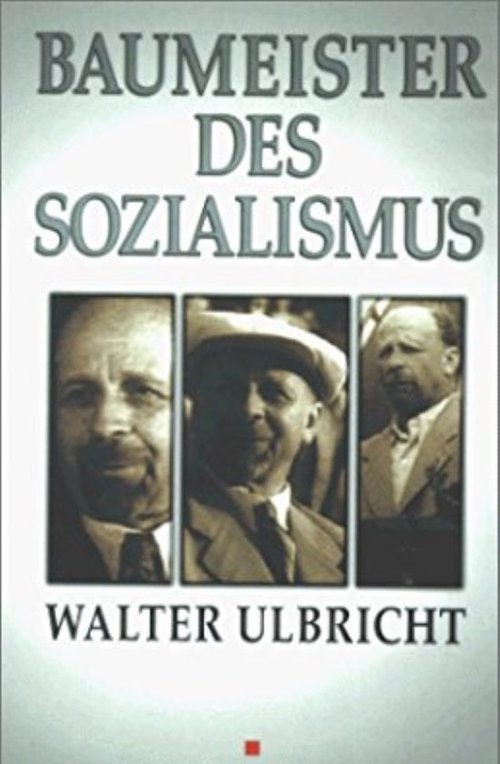
Walter Ernst Paul Ulbricht (30 June 1893 – 1 August 1973) was a German communist politician. Ulbricht played a leading role in the creation of the Weimar-era Communist Party of Germany (KPD) and later (after spending the years of Nazi rule in exile in France and the Soviet Union) in the early development and establishment of the German Democratic Republic in East Germany. As the First Secretary of...
Explore all movies appearances
After the fall of the Berlin Wall, thousands of documents were hastily shredded by the dreaded GDR political police. 16,000 bags filled with six million pieces of paper were found. Thanks to the meticulous work of technology, the destinies of men and women who had been spied on and recorded without their knowledge could be reconstructed.
The enigma of the personality cult is revealed in the grand spectacle of Stalin’s funeral. The film is based on unique archive footage, shot in the USSR on March 5 - 9, 1953, when the country mourned and buried Joseph Stalin.

The film talks about the rise and fall of the two most influential protagonists in GDR-politics. In succession, over long stretches even together, Ulbricht and Honecker determined the course of the GDR, of course without ever getting out of being a satellite state to the big brother in Moscow. The film looks for the caesura and crucial points in the power game between Ulbricht and Honecker.
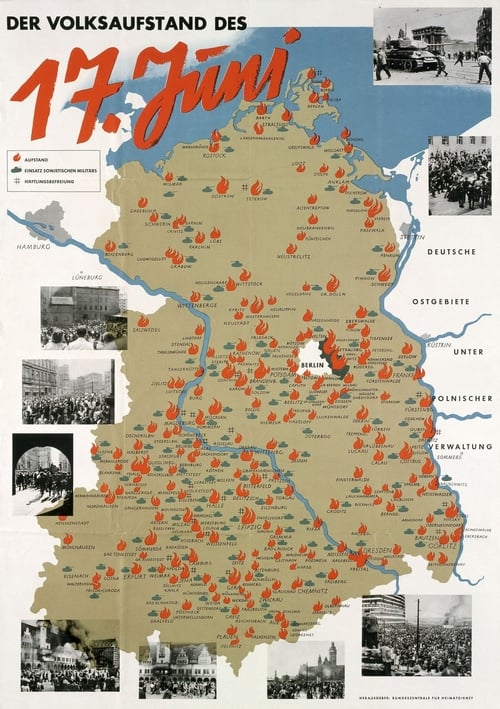
"GDR The uprising of June 17, 1953" - : Since its founding, the German Democratic Republic (GDR) has repeatedly struggled with domestic political problems. While the standard of living of the population in the western part of Germany steadily increased, it stagnated in the GDR . A one-sided, industry-oriented reconstruction policy, coupled with rapid militarization, weighed on the country's economy, which was already under pressure from Soviet reparations demands. A majority of the population did not identify with the socialist system, which accordingly stood on shaky ground.
Documentary about a military manoever involving all the armies of the Warsaw Pact.
The 5th anniversary of the inner-German wall to West Germany and West Berlin is on the agenda. The necessity of erecting the border is illustrated by comparing the situation in 1939 and the situation in the summer of 1961 with regard to the "threat of intervention" by the Western powers. Berlin people and GDR border guards are interviewed.
The Belgian documentarian Frans Buyens interviewed passers-by in East Berlin and Dresden, factory workers and technical draftswomen at the Warnow shipyard in Stralsund, small business owners in Chemnitz, LPG farmers in the countryside, foreign students at the Gottfried Herder Institute in Leipzig and industrial workers in Magdeburg and Eisenhuettenstadt. "The GDR seen through the eyes of a foreigner" was the original title of the film. A few years after the Wall was built, Buyens documented the approval, disapproval and fears of the interviewees.
Short film intended for the mobilization of NVA units to secure the state border in Berlin on 13 August 1961.
No plot available for this movie.
After the workers’ revolt on June 17th, 1953 this film disappeared in the archives until 1997.
Subscribe for exclusive insights on movies, TV shows, and games! Get top picks, fascinating facts, in-depth analysis, and more delivered straight to your inbox.