
Action
Adventure
Animation
Comedy
Crime
Documentary
Drama
Family
Fantasy
History
Horror
Music
Mystery
Romance
Science Fiction
Thriller
War
Western
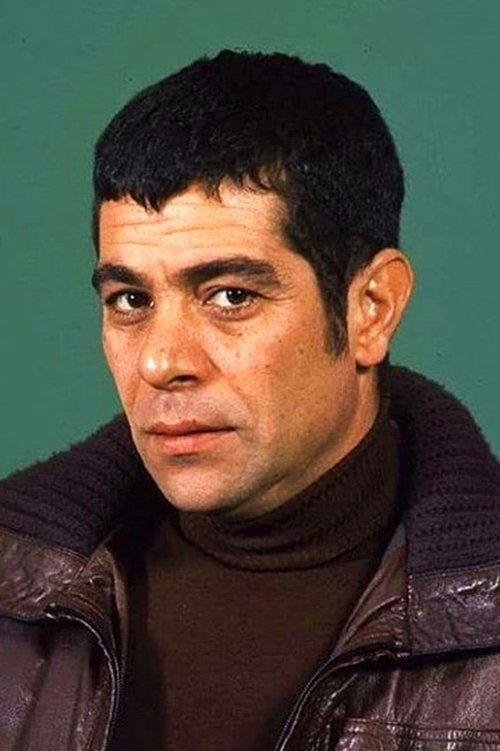
Behrouz Vossoughi is one of Iran's most legendary actors. He has over 40 years of experience in the motion picture industry, with featured appearances in more than 90 films. In addition to his work in films, television, radio and theater, Behrouz' performances have earned him recognition at several international film festivals. He was one of the first to play in American and European Co-Production...
Enjoying the content? Support us!
Explore all movies appearances
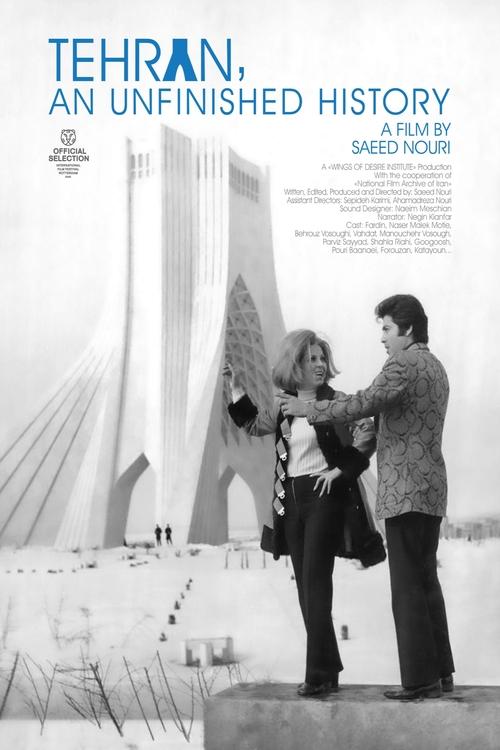
Tehran's untold sociopolitical history through rare, unseen film archives spanning over a century.
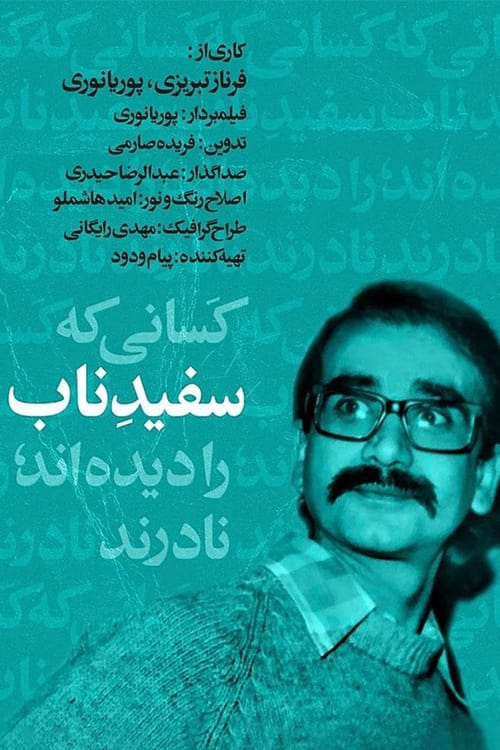
This documentary movie explores the professional life of Parviz Fanizadeh, Iranian actor of the 60s and 70s cinema and theater, with investigating through archival footage of his works and referring to his fellow artists.
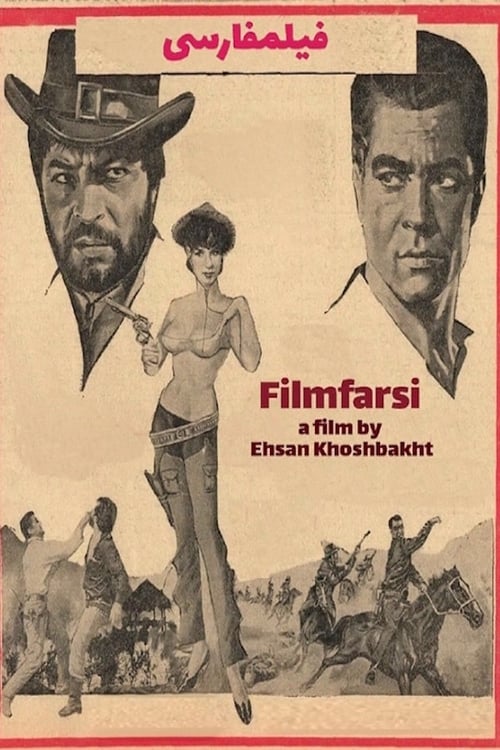
A found-footage essay, Filmfarsi salvages low budget thrillers and melodramas suppressed following the 1979 Islamic revolution.
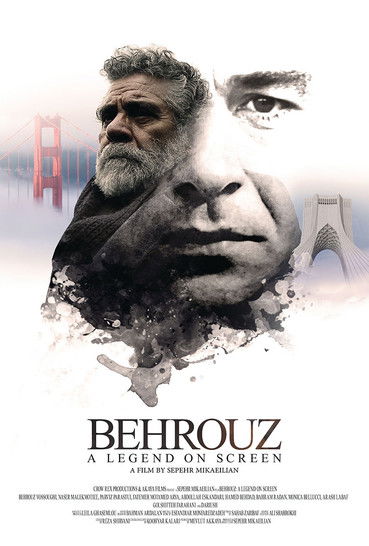
Behrouz Vossoughi, legendary Iranian actor, leaves his country just before the revolution in 1978, and he could never return to his homeland. This is the story of his journey, living in exile.

Although this film includes conversations with people, it is not in the form of an interview and consists of three parts. The first part introduces the personality and activities of Dariush Asadzadeh in cinema, theater and television. In this part, the camera is constantly moving and creates an atmosphere. The second part is dedicated to the conversations of people such as Ali Nasirian, Mohammad Ali Keshavarz, Akbar Abdi, Aminollah Rashidi, Behrouz Vosoughi, Nosratollah Vahdat and many artists who have worked with this artist over the years. The third part of the film is dedicated to reviewing his memories, which gives this part of the film a nostalgic feel. The effort to be attractive is the main thing in making this film.
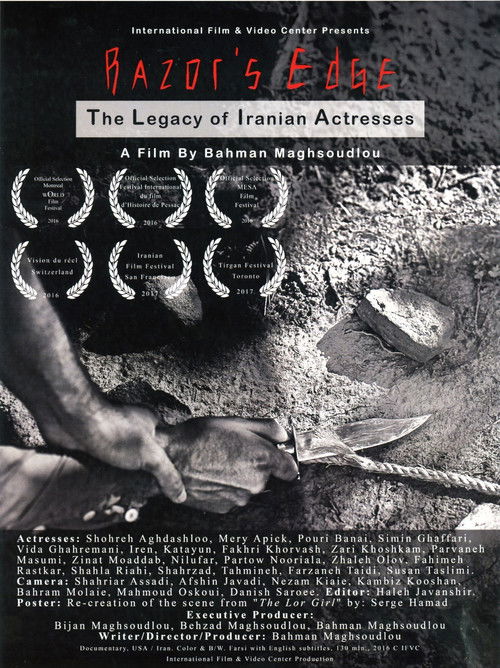
An examination of the work and lives of actresses in the Iranian film industry prior to the 1979 revolution, featuring myriad interviews and rare film clips.
Kurdish-Iranian poet Sahel has just been released from a thirty-year prison sentence in Iran. Now the one thing keeping him going is the thought of finding his wife, who thinks he's been dead for over twenty years.
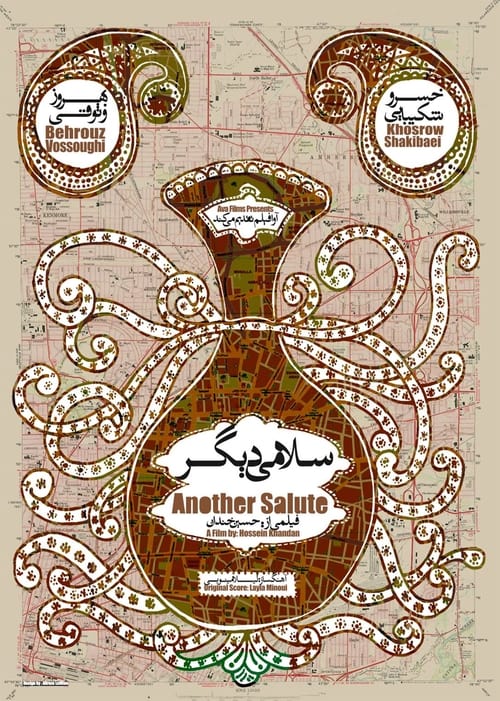
After receiving the 2000 Akira Kurosawa Award, Abbas Kiarostami immediately gave it away to honor the renowned and exiled actor Behrouz Vossoughi, from the generation preceding the 1979 Iranian Revolution. Later that year, Khosrow Shakibaei—one of the best actors after the Iranian Revolution—tried to find and meet Behrouz Voussoughi. Any attempt to meet Behrouz Vossoughi, whose name and picture are banned in Iran, would have put Khosrow Shakibaei’s acting career in Iran in jeopardy. After the unexpected death of Khosrow Shakibaei in July 2008, Hossein Khandan, director of “Another Salute” received consent from Khosrow’s family to release the film.
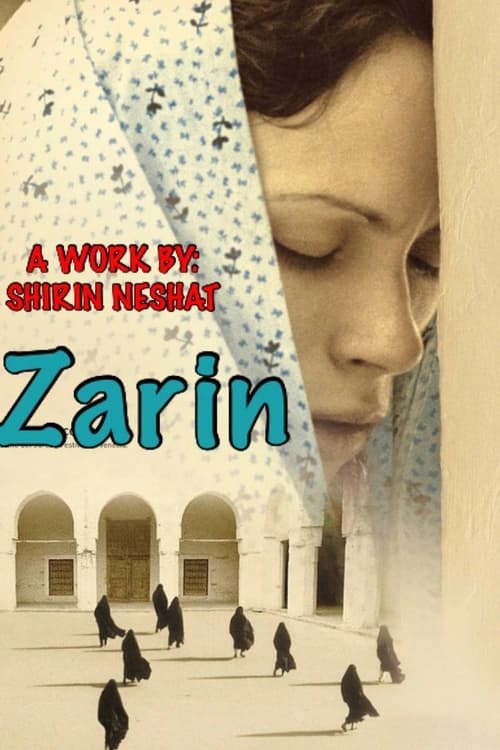
The story of a young woman who has been working as a prostitute since childhood. The film traces her slow disintegration into psychic delirium. Wracked by both guilt for her actions and a strong desire for salvation, her madness manifests itself in her perception of the world around her. Chronicling the course of her breakdown with imagery that is both graphic and beautiful, Neshat evokes the torment of one so tortured by her subjugated role in society that she feels completely powerless. As the men Zarin encounters appear without faces, horror, shame, and guilt overwhelm her. Viewing this as her punishment from God, she flees the brothel for a bathhouse. Scrubbing her skin raw and bloody, she attempts to make amends with her past; however, she descends deeper in madness as she strives for redemption.
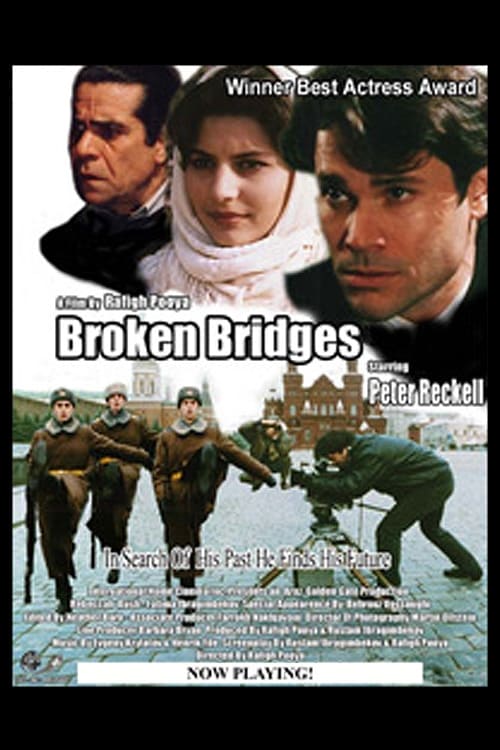
The plot of film is constructed on the basis of memoirs of the son and mother. They were divided with border between northern and southern Azerbaijan.
Subscribe for exclusive insights on movies, TV shows, and games! Get top picks, fascinating facts, in-depth analysis, and more delivered straight to your inbox.