
Action
Adventure
Animation
Comedy
Crime
Documentary
Drama
Family
Fantasy
History
Horror
Music
Mystery
Romance
Science Fiction
Thriller
War
Western
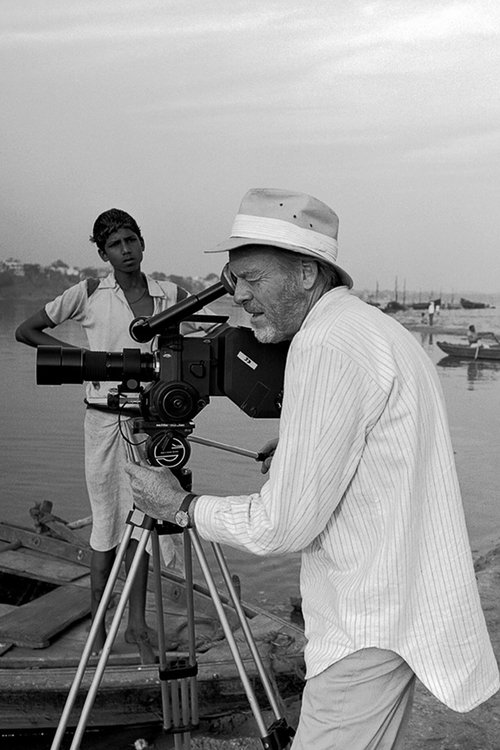
Robert Gardner was the Director of the Film Study Center at Harvard University from 1957 to 1997. He is known for his work in the field of non-fiction film. He is an internationally renowned filmmaker and author whose works have entered the permanent canon of non-fiction filmmaking. Some of his most prominent films include Dead Birds (1964), a lyric account of the Dugum Dani, a Stone Age society ...
Explore all movies appearances
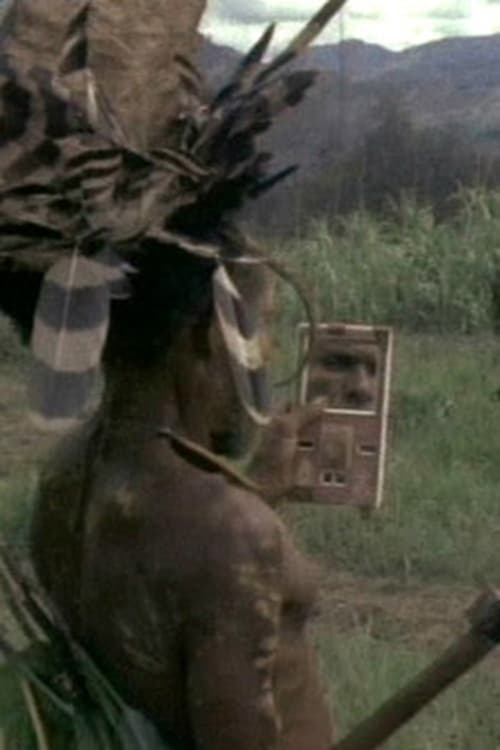
Several filmmakers discuss the introduction of Western modes of communication, especially film, to native cultures. While these tools can help a native people to document their own culture, it can also "swallow" their culture, encroaching upon and irreversibly altering it. The film takes its title from a book written by filmmaker Edmund Carpenter in 1972 about his engagement with media in Papua New Guinea.
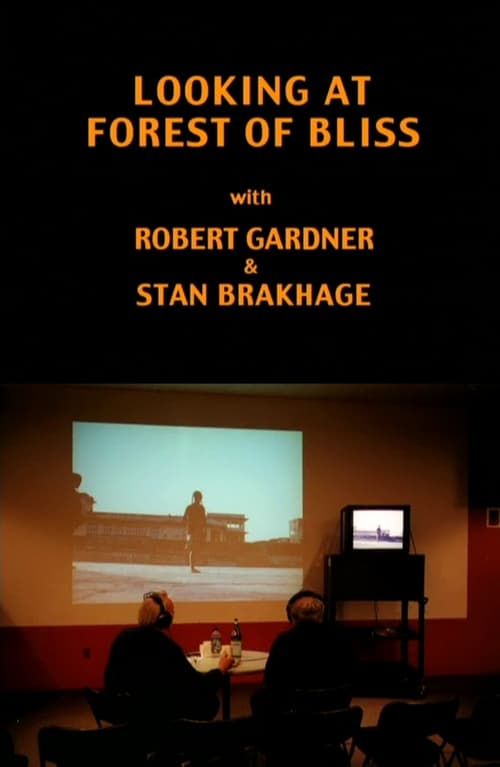
Director Robert Gardner and legendary filmmaker Stan Brakhage share an in-depth viewing of Gardner's ethnographic masterwork, Forest of Bliss. The film is shown in its entirety, with Gardner occasionally pausing to elucidate, and Brakhage brilliantly observing tonality, poetic imagery, life, death, the unconscious, and, well, just being damned insightful. - dred
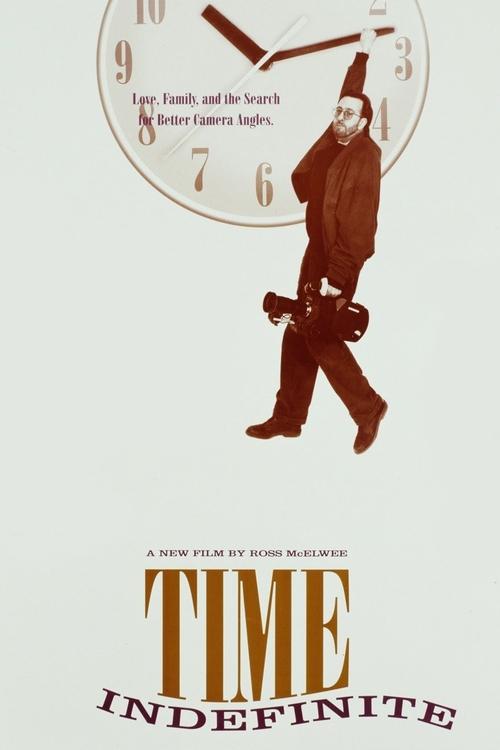
After documentarian Ross McElwee gets married, a series of misfortunes follow: his grandmother dies, his wife miscarries, and then his father dies less than a week later. Shaken by the sudden string of deaths, McElwee becomes depressed. After spending time with his friend and former high school poetry teacher, Charlene, he goes to meet his brother, a doctor. In a series of interviews, McElwee contemplates his morbid preoccupation with death and tries to figure out how to shake it off.
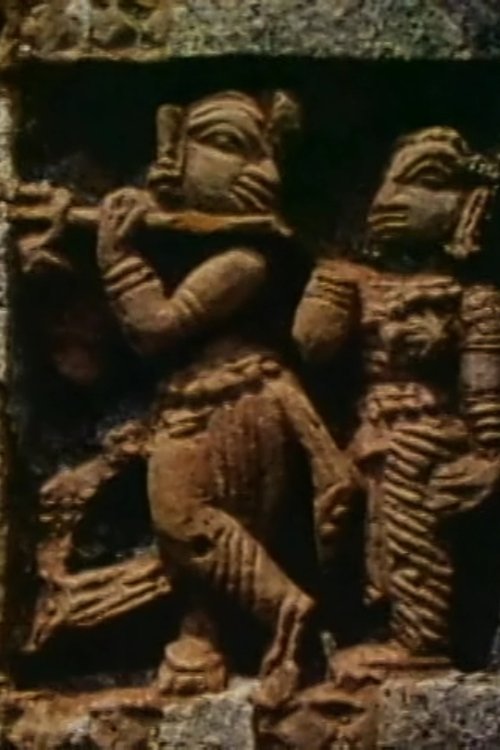
Loving Krishna is about the worship of Krishna and the meaning of devotion. It explores the rural and urban character of the town of Vishnapur in West Bengal by examining the royal past, everyday life, work in traditional arts and crafts, bazaar exchange, and sacred rituals and festivals. Public and private devotional life is represented by detailed visual narratives of the Chariot Journey of Krishna, celebrated by the whole town, and the Birthday Festival commemorated on a much smaller scale of intimate family worship.
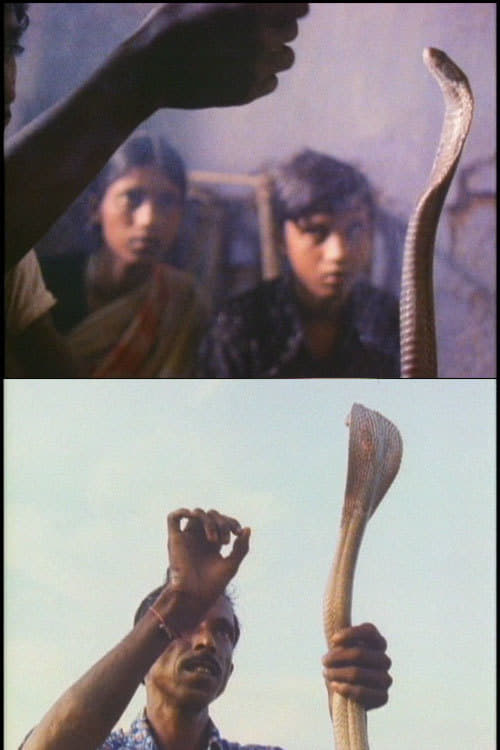
Serpent Mother is about devotion to the Goddess of Snakes and the importance of divine female power in West Bengal Indian life. The film's focus is the Jhapan Festival, the great celebration of snakes. Shown are festival preparations, the role of traditional arts and crafts in the worship of the Goddess, devotional singing, and an exposition of ritual action. The difficult and complex symbolism of the ritual is explained by the participants themselves. In addition to the commentary, this makes accessible what is, at first glance, exotic and inexplicable behavior.
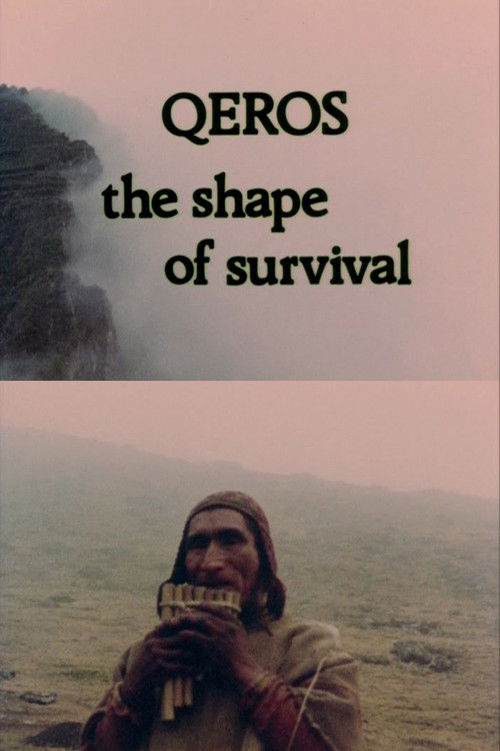
Exploration of the way of life of the Q’eros Indians of Peru, who have lived in the Andes for more than 3,000 years.

Fulton made the film during his brief time at Harvard, where he had been invited to teach by Robert Gardner, his friend and collaborator (Fulton would later serve as a cinematographer on Gardner’s 1981 documentary Deep Hearts, among others). Reality’s Invisible could be described as a portrait of the Carpenter Center, yet it is a portrait of an extremely idiosyncratic and distinctive sort. Fulton moves us through the concrete space of the Center’s Le Corbusier-designed building—the only structure by the architect in North America—but, more centrally, presents us footage of students making and discussing their work alongside figures like Gardner, theorist Rudolf Arnheim, artist Stan Vanderbeek, filmmaker Stan Brakhage, and graphic designer Toshi Katayama.
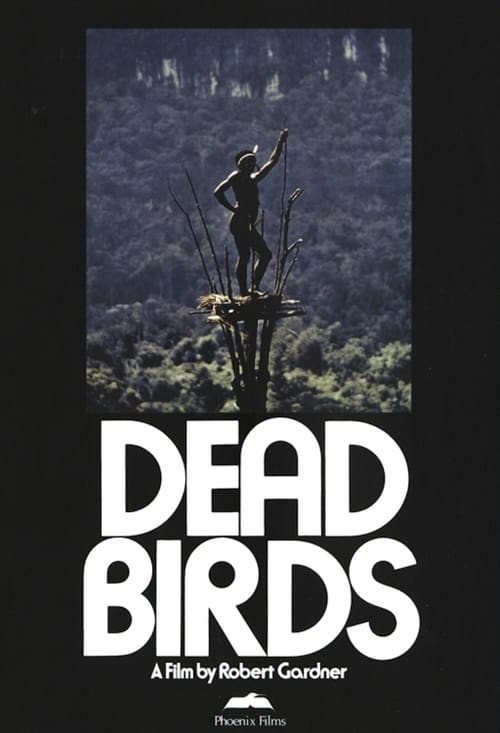
The film's title is borrowed from a Dani fable that Gardner recounts in voice-over. The Dani people, whom Gardner identifies mysteriously as "a mountain people," believe that there was once a great race between a bird and a snake, which was to determine the lives of human beings. Should men shed their skins and live forever like snakes, or die like birds? The bird won the race, dictating that man must die. The film's plot revolves around two characters, Weyak and Pua. Weyak is a warrior who guards the frontier between the land of his tribe and that of the neighboring tribe. Pua is a young boy whom Gardner depicts as weak and inept.

Robert Gardner interviews Frances H. Flaherty about the production of The Fishermen of Aran.

Kwakiutl, Kwakwaka'Wakw, potlatches. British Columbia tribe as a civilization in decline as assimilation has almost obliterated native culture. Fort Rupert, Britsh Columbia Canada
Subscribe for exclusive insights on movies, TV shows, and games! Get top picks, fascinating facts, in-depth analysis, and more delivered straight to your inbox.