
Action
Adventure
Animation
Comedy
Crime
Documentary
Drama
Family
Fantasy
History
Horror
Music
Mystery
Romance
Science Fiction
Thriller
War
Western

Jerome Hiler began his creative life as a painter and was a student of Natalia Pohrebinska at Pratt Institute. Within a few years, Mr. Hiler became enthralled with the visual and poetic possibilities of 16mm experimental film. In particular, his encounter with the films of Marie Menken, Gregory Markopoulos and Stan Brakhage deeply affected his own artistic path. It completely changed the focus of ...
Explore all movies appearances

More than eight hundred years ago, a confluence of technological, philosophical, and financial upswellings converged to create the most advanced form of mass media the world had known: stained glass. Jerome Hiler’s passion for medieval stained glass impacted his filmmaking practice and led to a fascinating evolving lecture, “Cinema Before 1300”
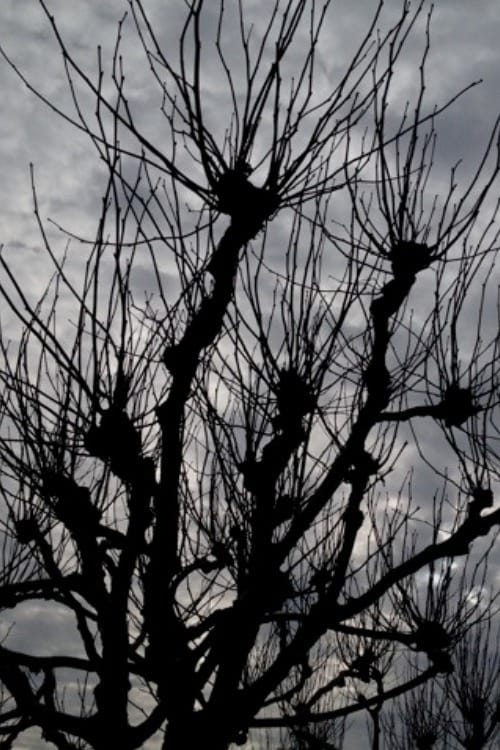
The fourth of the “cinematic songs,” followed by two new works “made by someone closer to passing on, by someone whose sense of life and sense of cinema have become inseparable in a very real way.”
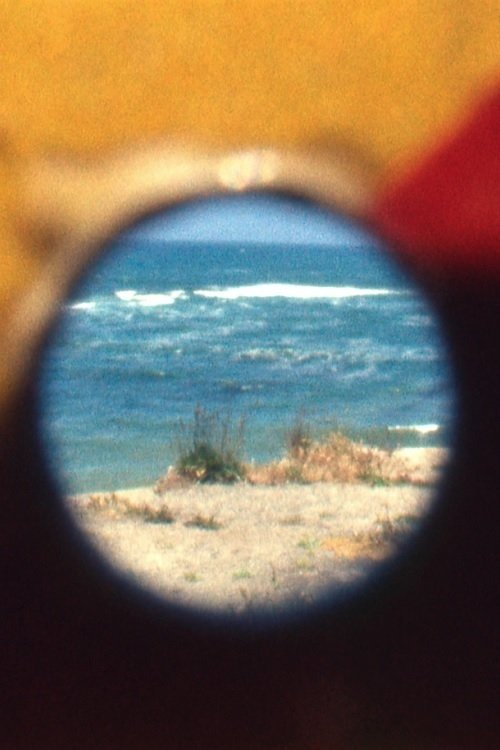
NEW SHORES is a sister film to IN THE STONE HOUSE in many ways. Like the latter film, it consists of earlier footage edited in recent years. It could be seen as a sequel to IN THE STONE HOUSE especially since it begins with a cross-country journey to the West Coast, where I settled, and concludes with a visit, in 1987, to the “stone house” in rural New Jersey. Even though there is some sort of time line that can be imagined, the film stands on its own. It is simply a series of episodes that touch upon facets of living in a new area with new weather, new people, new identities and stubborn old fears. The Bolex camera goes to work across landscapes and living areas, workplaces and gatherings. A dance of images: can beauty partner with dread and death? It’s a film of the coexistences that percolate beneath the surface of ordinary events. A film of useless hopes and baseless fears.
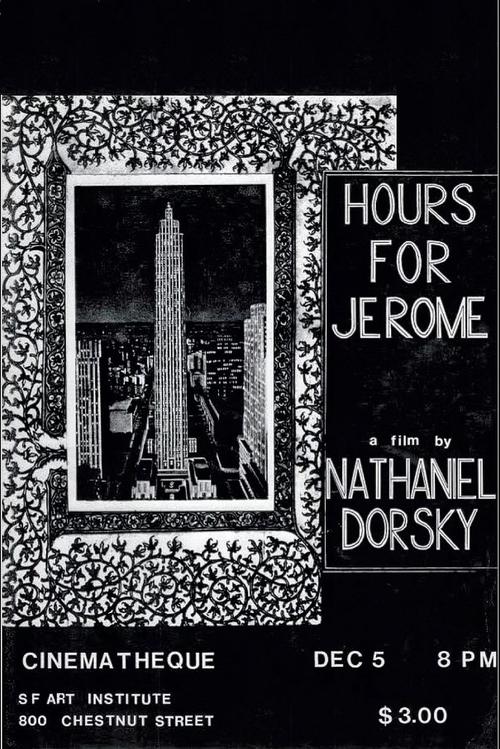
The recording of the daily events of Dorsky and his partner, artist Jerome Hiler, around Lake Owassa in New Jersey and in Manhattan. The two parts of the films revolve around the four seasons with the first part revolving around spring through summer, while the second part revolves around fall through winter.

Warren Sonbert described Divided Loyalties as a film 'about art vs. industry and their various crossovers.' According to film critic Amy Taubin, "There is a clear analogy between the filmmaker and the dancers, acrobats and skilled workers who make up so much of his subject matter." -- Jon Gartenberg. Preserved by the Academy Film Archive in partnership with Estate Project for Artists with AIDS in 1998.
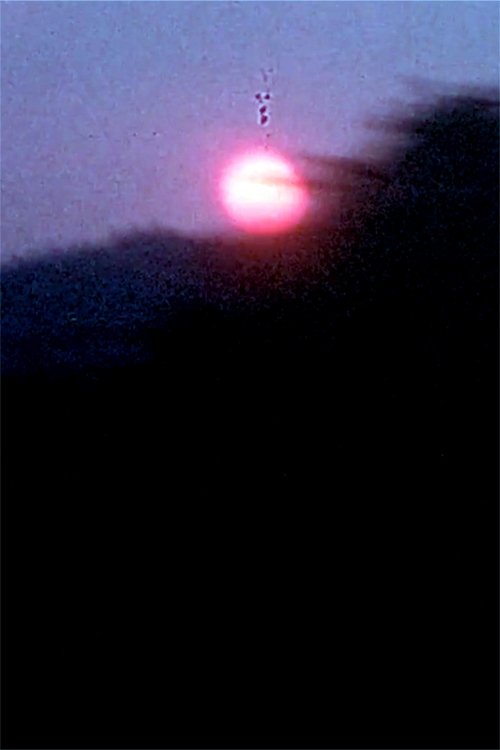
Stoned people, music, movement, fields.
Subscribe for exclusive insights on movies, TV shows, and games! Get top picks, fascinating facts, in-depth analysis, and more delivered straight to your inbox.