
Action
Adventure
Animation
Comedy
Crime
Documentary
Drama
Family
Fantasy
History
Horror
Music
Mystery
Romance
Science Fiction
Thriller
War
Western
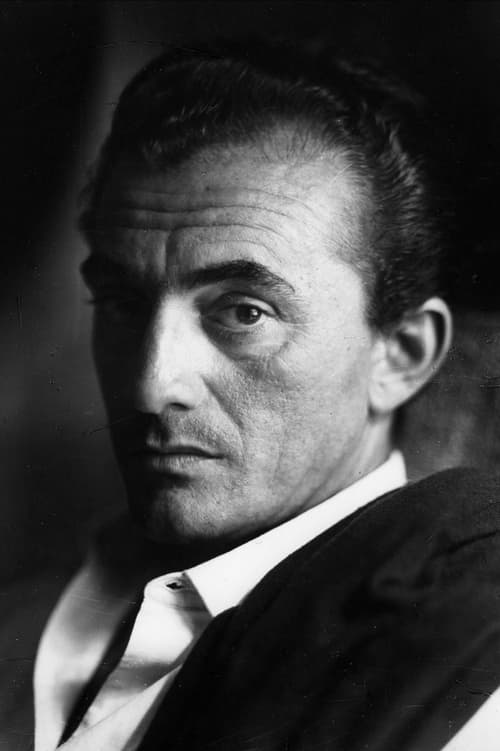
Luchino Visconti di Modrone, Count of Lonate Pozzolo (2 November 1906 - 17 March 1976) was an Italian theatre, opera and cinema director, as well as a screenwriter. He is best known for his films The Leopard (1963) and Death in Venice (1971).
Explore all movies appearances
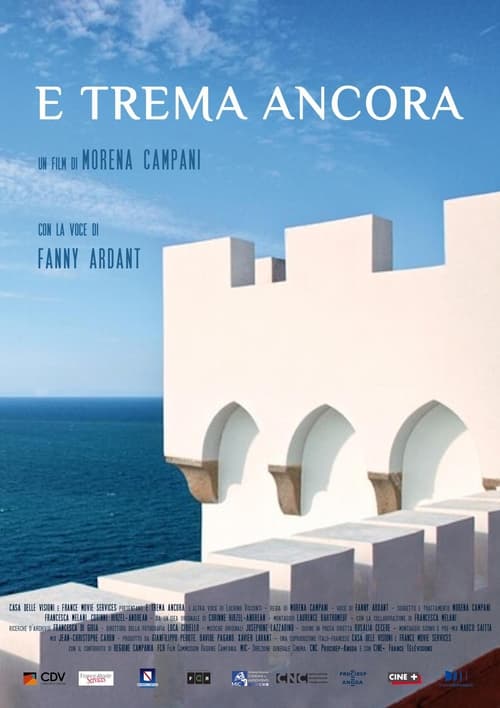
What remains of the Island of Ischia and the Villa? What remains of these landscapes in which Luchino Visconti, icon of the cinema, lived and dreamed so often? He declared, probably referring mischievously to the Italy of his time, that "you should never stop building your house... " What remains of his loved ones, of those who like him resisted fascism and its potential and threatening return? The film will explore this legendary place, through the emptiness of the villa and its abandoned, decrepit but still present walls, reminiscent of the effervescence of the ideas and projects developed in that place. By returning to the island of Ischia, by finding the house as it is today, by reviving it as it was during the time of Visconti, thanks to images of the present, archival documents, and by making links with the aestheticism of his films, we will discover the filmmaker in a singular way.
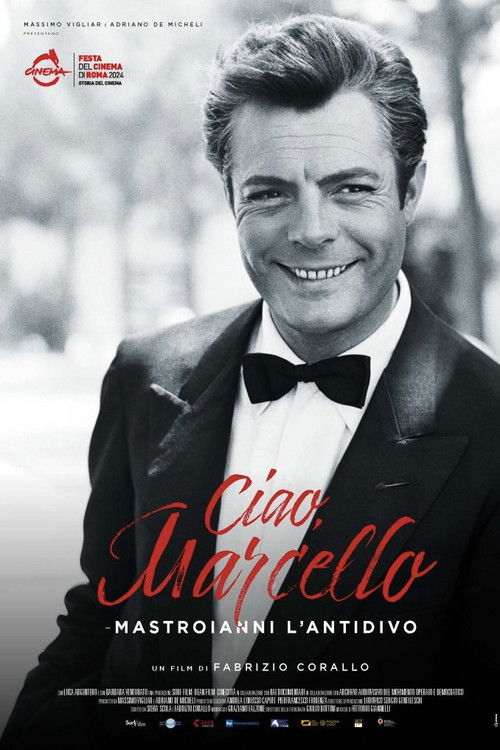
No plot available for this movie.
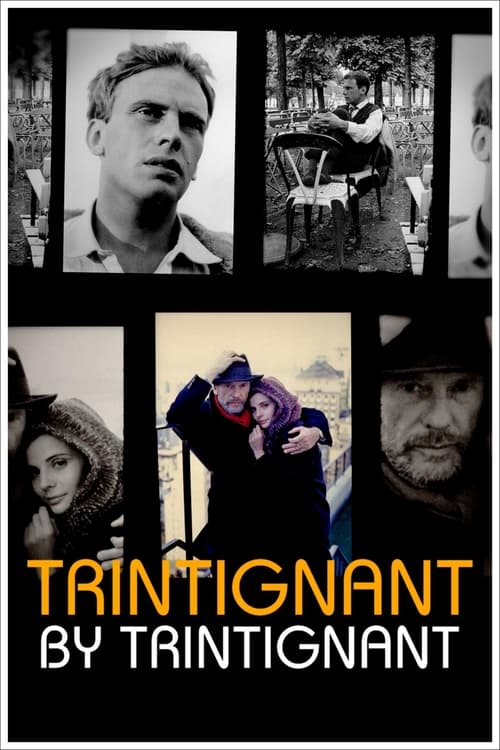
A portrait of a man of rare elegance and enigmatic charm, versatile and successful: Jean-Louis Trintignant, one of the most critically acclaimed French actors of the last sixty years, known for his numerous roles on stage and screen.

Cinecitta is today known as the center of the Italian film industry. But there is a dark past. The film city was solemnly inaugurated in 1937 by Mussolini. Here, propaganda films would be produced to strengthen the dictator's position.
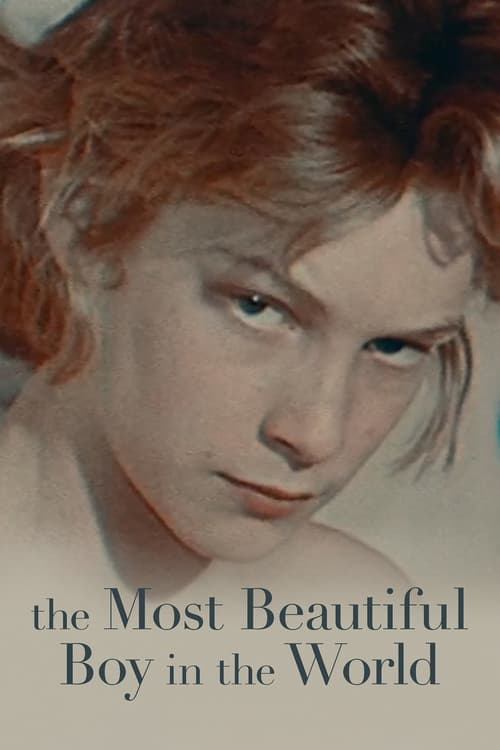
In 1971, due to the world premiere of Death in Venice, Italian director Lucino Visconti proclaimed his Tadzio as the world’s most beautiful boy. A shadow that today, 50 years later, weighs Björn Andrésen’s life.
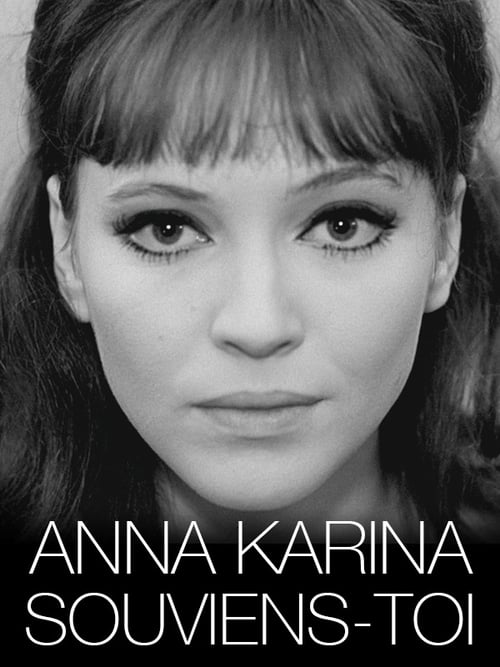
Major actress of the New Wave, Anna Karina is bound to the great renewal of cinema in the 1960s. Her companion in life, Dennis Berry revisits the story of her memories with Jean-Luc Godard and the great directors she knew, her memorable meeting with Serge Gainsbourg, and also, more recently, her career as a singer. With a gaze halfway between mischief and severity, the New Wave's Danish muse embodied a new feminity – deeply linked with women's liberation.
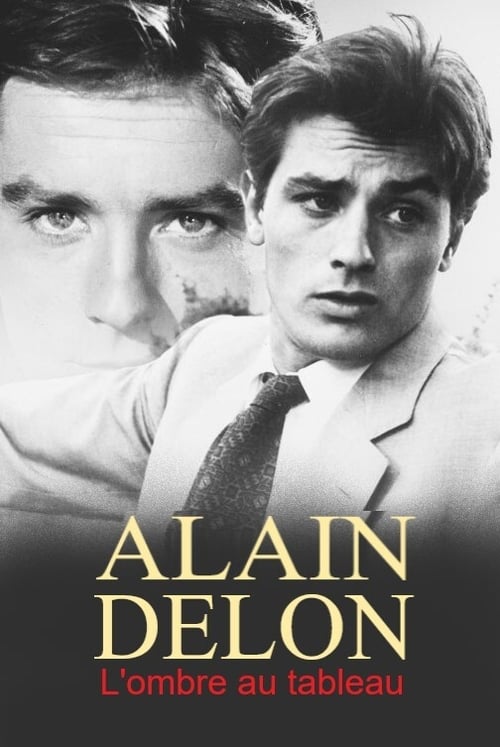
A childhood in boarding school, volunteered at 17 for the war and dismissed for indiscipline, thug in Marseille turned gigolo in Paris, he became actor thanks to some inspired women. Then flying high, fast and far, thanks to his director masters René Clément, Luchino Visconti & Jean-Pierre Melville.
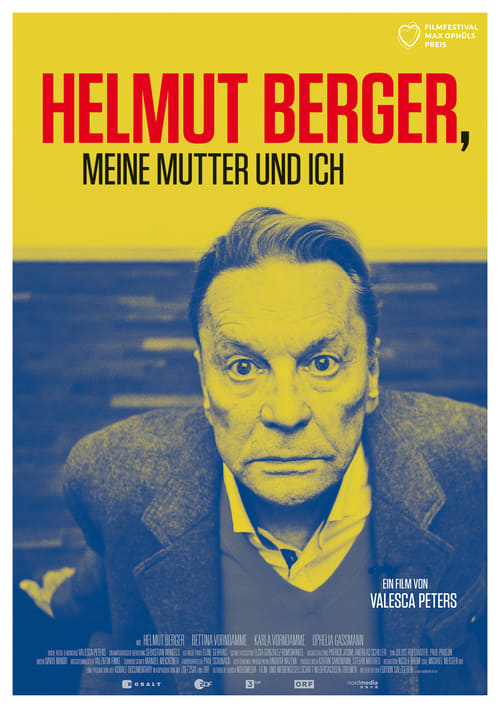
My mother googles the film hero of her youth: Helmut Berger. She is shocked: only an addicted shadow of the former icon seems to be left. She decides to halt the obvious catastrophic decline of the once “most handsome man in the world”. As a consequence, this one-time god of the screen is suddenly sitting on my mother’s sofa in Nordsehl in Lower Saxony. And he stays put - for several months. While he trustingly rolls out his whole life before us, the dividing lines between film team, world star and family intermingle. This is a film about ageing, rising and falling - and about the fact that it is sometimes possible to regain an element of dignity in life.
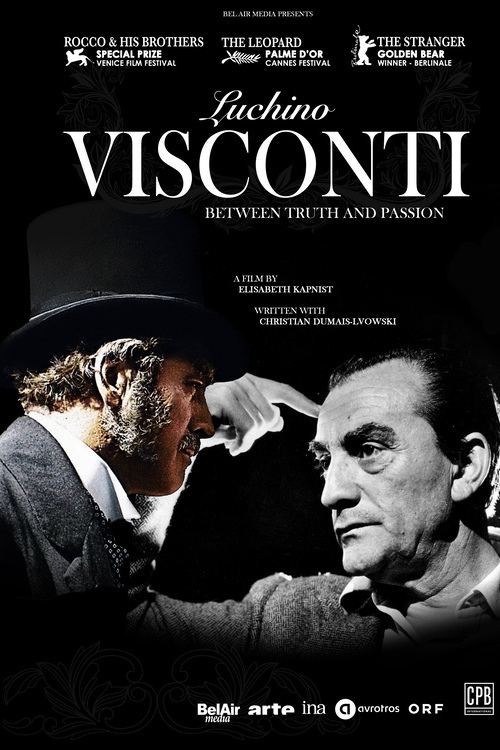
Forty years after his death, this documentary pays tribute to one of the major filmmakers of Italian cinema, to an original work that continues to inspire today's cinema. Coming from one of the greatest families of the Italian aristocracy, he could have been a rich and cultured man, living in opulence and idleness, but Luchino wanted a different destiny. This is the story that director Elisabeth Kapnist and Christian Dumais-Lvowski wanted to tell. Count Visconti di Modrone wears the clothes of a legend that he never stopped shaping throughout his life. This documentary reconstructs the fabric of a brilliant life, dedicated to art; theater, opera, and cinema. This artistic work is also that of a committed man, who was a fellow traveler of the Communist Party, and who resisted fascism.
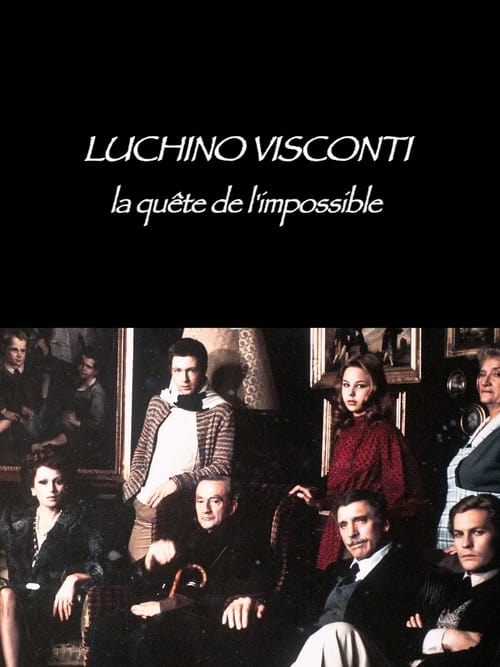
A Dominique Maillet's documentary about Visconti in the set of "Conversation Piece".
Subscribe for exclusive insights on movies, TV shows, and games! Get top picks, fascinating facts, in-depth analysis, and more delivered straight to your inbox.