Action
Adventure
Animation
Comedy
Crime
Documentary
Drama
Family
Fantasy
History
Horror
Music
Mystery
Romance
Science Fiction
Thriller
War
Western
Explore all movies appearances

No plot available for this movie.
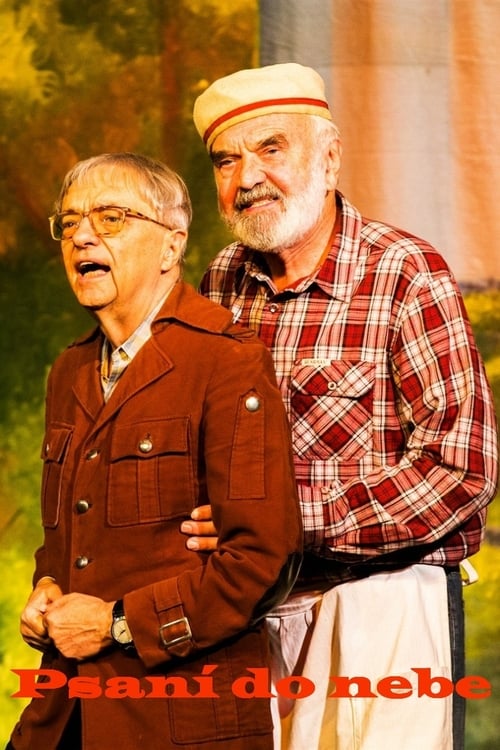
The Jára Cimrman Theater staged its first premiere exactly 50 years ago, on October 4, 1967. Its members celebrated the half-century anniversary with a special program that included scenes from plays by the trio of authors Cimrman, Smoljak, and Svěrák, which have since become cult classics. Psaní do nebe (Writing to Heaven) is a letter written by Zdeněk Svěrák to his long-time friend and colleague Ladislav Smoljak in connection with the 50th anniversary of the Jára Cimrman Theater. It became the backbone of the entire gala evening at the Žižkov Theater. The performance also included excerpts from productions and a number of other items.
No plot available for this movie.
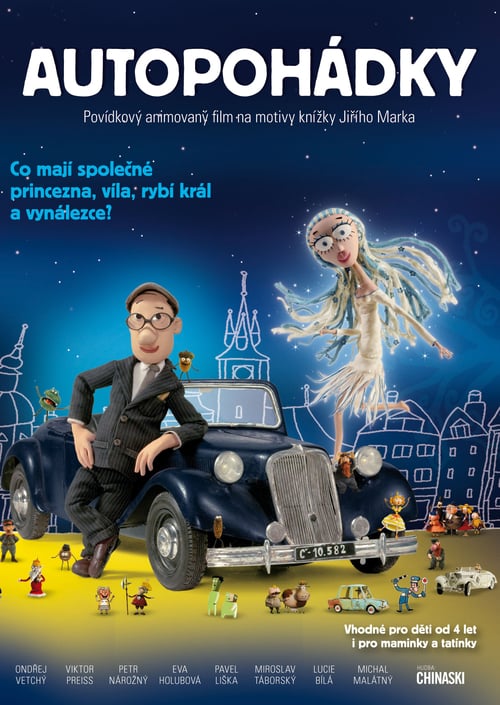
The film consists of five parts - a live-action framing story and four distinct animated episodes - each by a different creative team and in a different animation style, from Pojar and Koutský’s semi-plastic “Princess Who Never Smiled,” through Žabka’s puppet fable “The Fairy and the Bookkeeper,” Dlouhá and Váša’s paper-cut “Fisherman, His Wife, and the Golden Fish,” to Pixa’s near-future parable “Mr. Vincent”.

Friends and college classmates Petr and Mirek meet Katka, a student at the art academy. Petr falls in love with the charming painter, but Katka ultimately chooses Mirek. Their brief romantic relationship is interrupted by an argument and Mirek's internship abroad. Petr uses this as an opportunity to offer Katka a family and emotional foundation. After some time, when the two are living together in one house with her parents and Petr is patiently enduring the hardships of dependent cohabitation, Mirek suddenly returns from abroad. His unexpected visit only confirms Katka's belief that her marriage to Petr and her unsuccessful attempts to conceive a child are not fulfilling her.
No plot available for this movie.
No plot available for this movie.
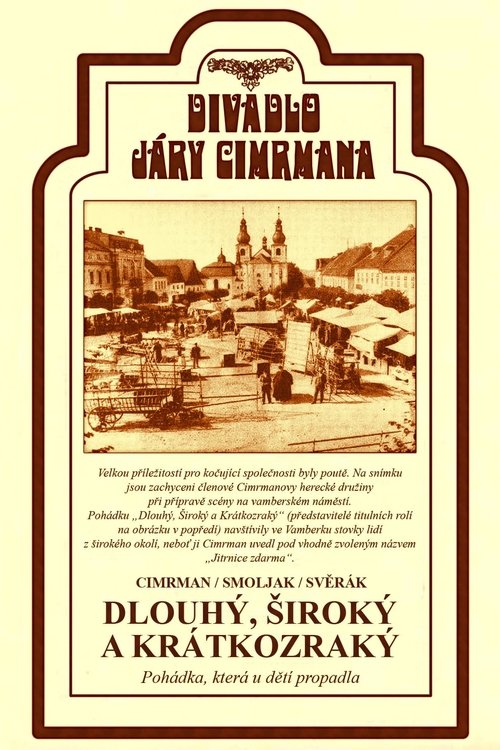
A fairy tale that was not a success with children.
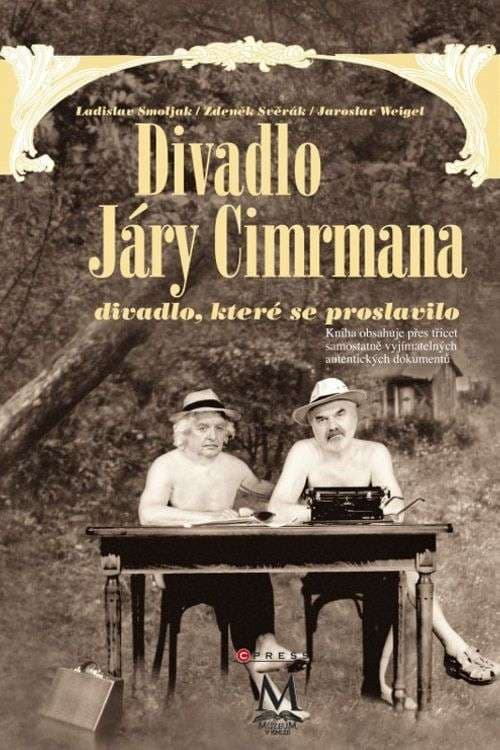
Jára Cimrman in the whirlwind of the past forty years, as discovered, recorded, and brought to life by the theater.
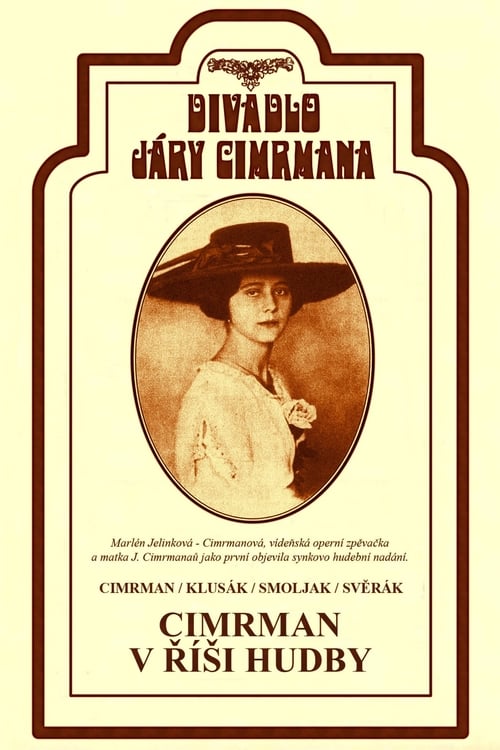
The original score was in a sorry state: the notes were carelessly marked, the lines were broken, and the paper was covered in smudges. I took the utmost care in reconstructing it: I erased the smudges, traced the lines with a ruler, blackened the bellies of the quarter notes, and added tails to the eighth and sixteenth notes. I believe that today's version of the work will stand up to even the most rigorous standards.
Subscribe for exclusive insights on movies, TV shows, and games! Get top picks, fascinating facts, in-depth analysis, and more delivered straight to your inbox.