
Action
Adventure
Animation
Comedy
Crime
Documentary
Drama
Family
Fantasy
History
Horror
Music
Mystery
Romance
Science Fiction
Thriller
War
Western
Explore all movies appearances
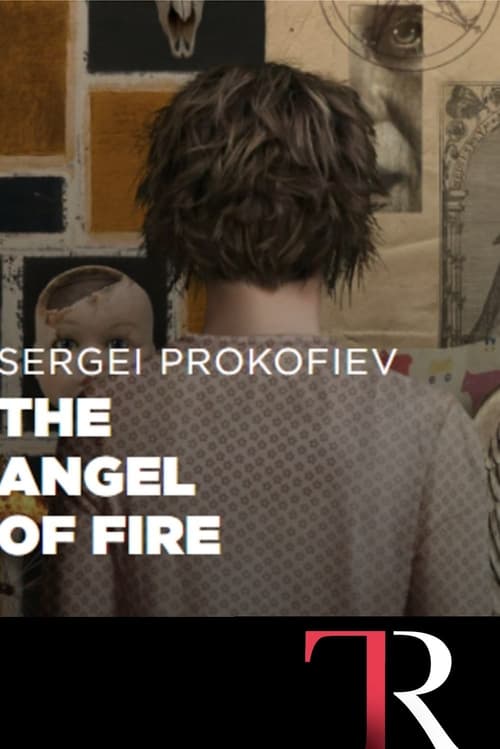
The production by Calixto Bieito extracts all the potential from this work in a most convincing and spine-chilling way. The action takes place in a closed society of the 1950s, taking this story of witchcraft, sex and religion to the realism of imitation leather sofas, crochet cardigans, medical abuse and child molestation.
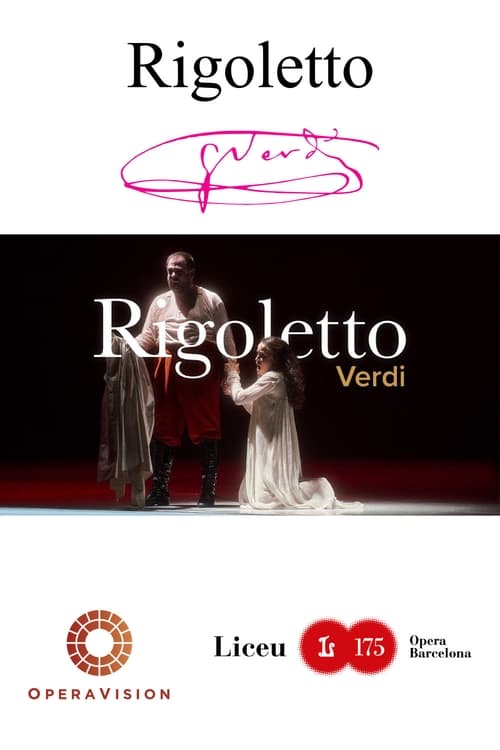
When a sharp-tongued court jester Rigoletto is cursed for his spiteful words, he is forced to hide his unworldly daughter Gilda from his own licentious master the Duke. For Verdi’s wonderful ambivalent hunchback, paradise is the peaceful home and family that he struggles to protect.
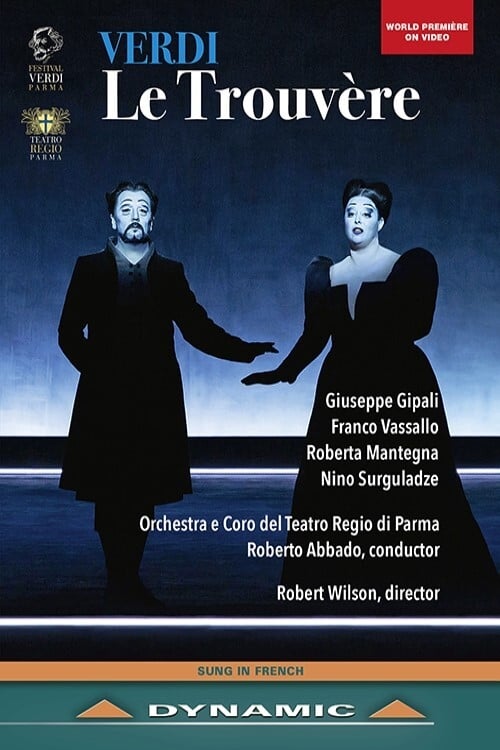
"This is a family tragedy, and in many ways, it is a very contemporary story." This is how Robert Wilson described Il trovatore, or Le Trouvère in its French version, commissioned from Verdi after the incredible success of the premiere of his Italian version in 1853. With a few changes and alterations to the original music, this version was first performed in 1857 at the Paris Opera. A light show unique to the stage director unfolds in the cold architecture, creating the perfect framing for Verdi’s music, dramatic and dark in this timeless opera.
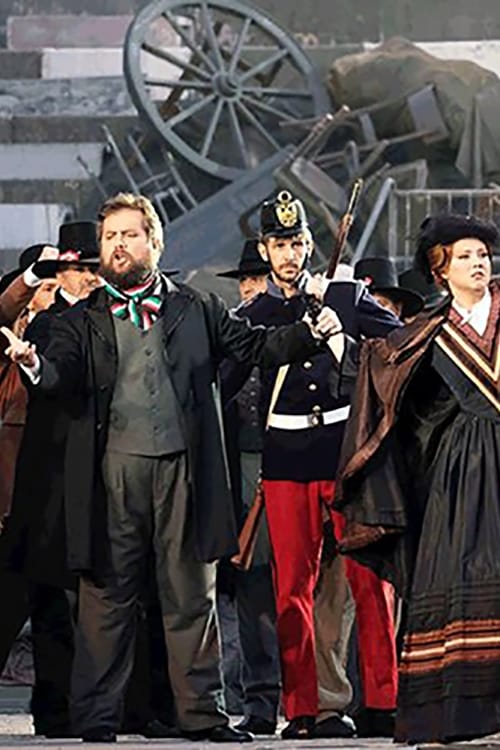
Jerusalem mourns its defeat, which places its fate in the hands of Nabucco, King of Babylon. Ismaël warns them that Nabucco is approaching the Temple. He remains alone with Ferena, the daughter of the Babylonian king, who has been taken hostage by the Hebrews, and confesses his love for her. However, Ferena's sister, Abigaille, also loves Ismael. In this new production, Arnaud Bernard sets the plot in the aesthetic context of the Italian Risorgimento. When it premiered at La Scala in Milan in 1842, Nabucco was an immediate triumph. In an Italy then in the throes of nationalist movements, the audience immediately identified with the Hebrews held captive in Babylon. The chorus of slaves, "Va, pensiero," thus became one of the most famous arias in the history of opera.
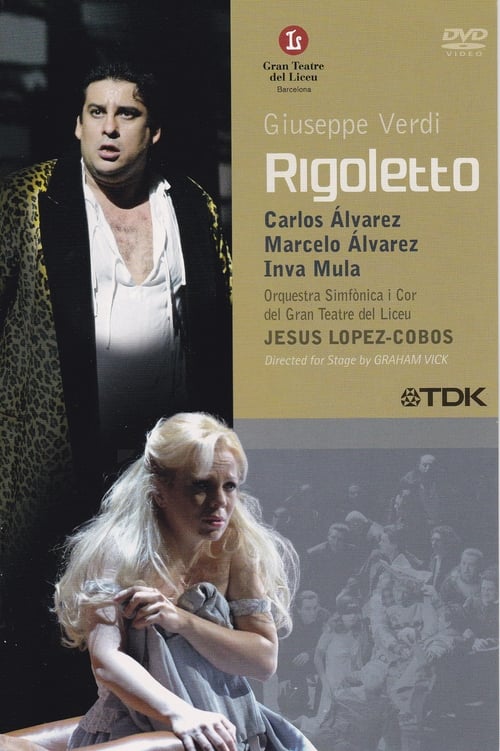
In Rigoletto, the deformed figure of the hunchbacked jester at the Mantuan court acts as a foil to his cynical and powerful master, an unscrupulous philanderer contrasted with his cruel and unforgiving fool. Rigoletto encourages and welcomes the Duke's conquests, pitilessly mocking his victims until he discovers that the Duke has abducted the one person he genuinely loves, his own daughter. As a result, the character of the court jester is transformed into a tragic figure who, in spite of his evident immorality and malice, allows us to sense the devotion he feels for his daughter and his horror at being destroyed by the same despotic world as that which he himself has helped to create.
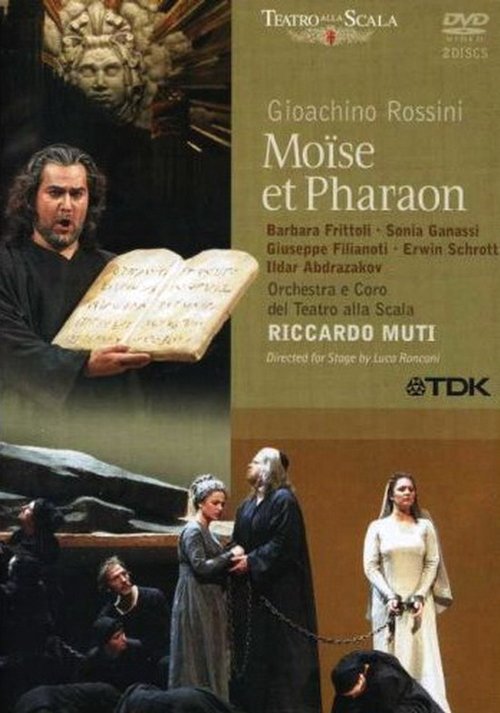
Live from La Scala Wednesday 10 December 2003
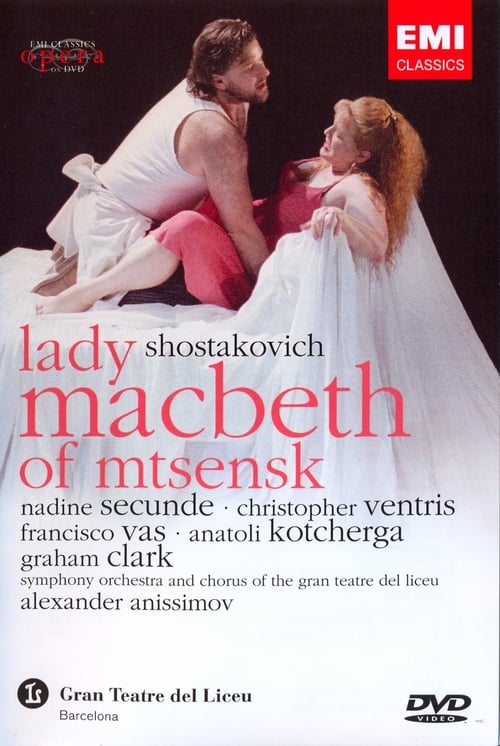
A stage performance of the Shostakovich opera, filmed at the Gran Teatre del Liceu in Barcelona.
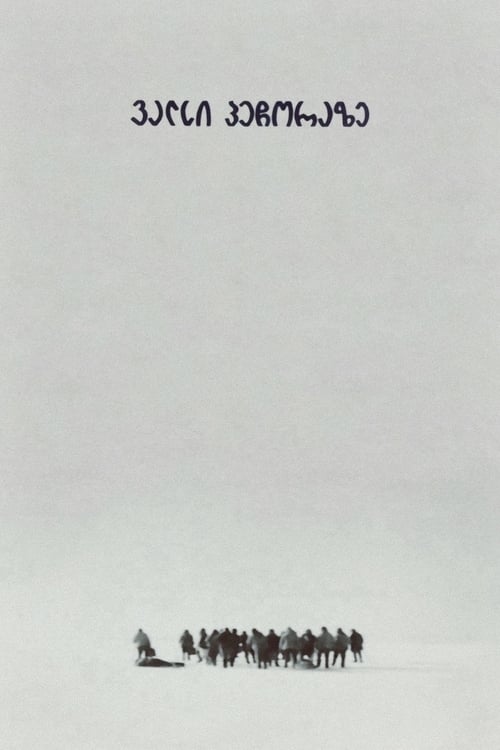
Set in 1937 Stalinist Georgia, the film traces the parallel destinies of a mother, condemned by the government as "an enemy of the people" and exiled to a work camp in Siberia, and her daughter, who meanwhile is sent to an orphanage. Arriving at the overcrowded work camp, the mother and other women who are not considered strong enough to be labourers, must journey still farther, crossing the icy Siberian landscape in search of food and shelter. At the same time, the daughter escapes the orphanage and returns to her former home, where she finds that a KGB officer has taken up residence. He protects her and an uneasy rapport between them develops—one of abhorrence and attraction, need and suspicion.

A bohemian circle of Tbilisi youth in the 1980s: bound by shared interests, yet still strangers to one another—each carrying a hidden pain that leaves its mark on their daily lives.
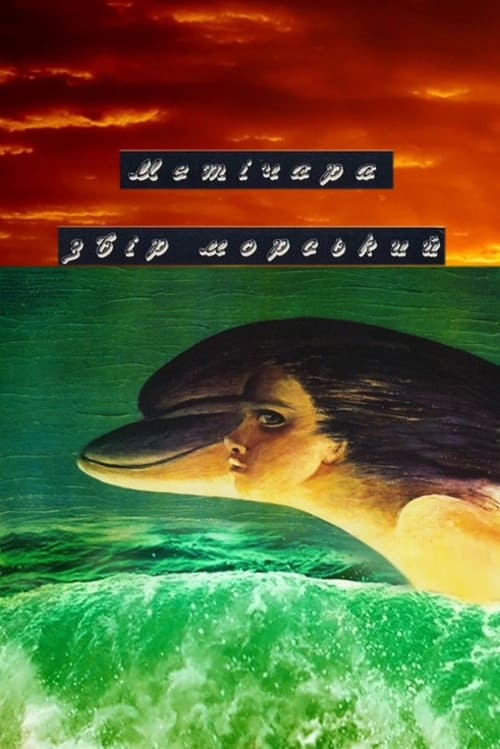
A story about a friendship between eleven years old Niniko and a dolphin named Metichara.
Subscribe for exclusive insights on movies, TV shows, and games! Get top picks, fascinating facts, in-depth analysis, and more delivered straight to your inbox.