
Action
Adventure
Animation
Comedy
Crime
Documentary
Drama
Family
Fantasy
History
Horror
Music
Mystery
Romance
Science Fiction
Thriller
War
Western
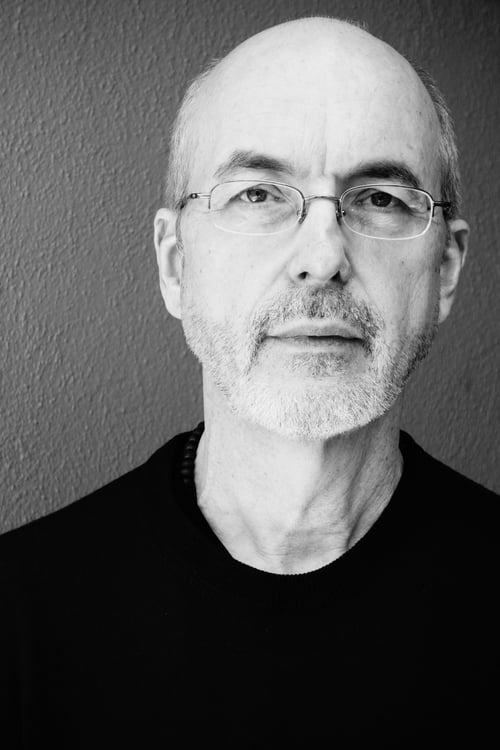
A pioneer in the medium of video art, Bill Viola's work explores the spiritual and perceptual side of human experience. Since 1970 he has created videotapes, architectural video installations, sound environments, electronic music performances and pieces for television. Works include Hatsu Yume (First Dream), The Passing, and installations Room for St. John of the Cross, The Messenger and The ...
Explore all movies appearances
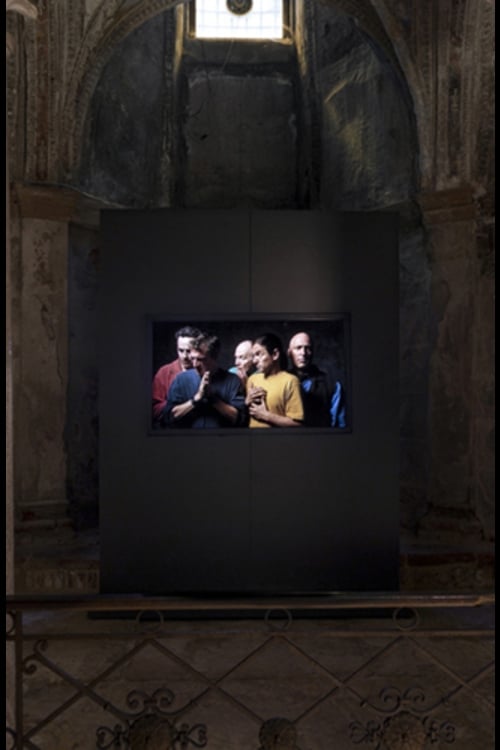
Gerald Fox’s film documents Bill Viola and his wife and close collaborator Kira Perov’s odyssey to create two permanent video installations for London’s St Paul’s Cathedral, Martyrs and Mary, the first art commissions of their kind to be installed in Britain’s most famous religious space.
Using the words and ideas of great filmmakers, from archival interviews with Alfred Hitchcock and Robert Bresson to new interviews with Mike Leigh, David Lynch, and Jonas Mekas, Oscar-winning filmmaker Chuck Workman shows what these filmmakers and others do that can't be expressed in words - but only in cinema.
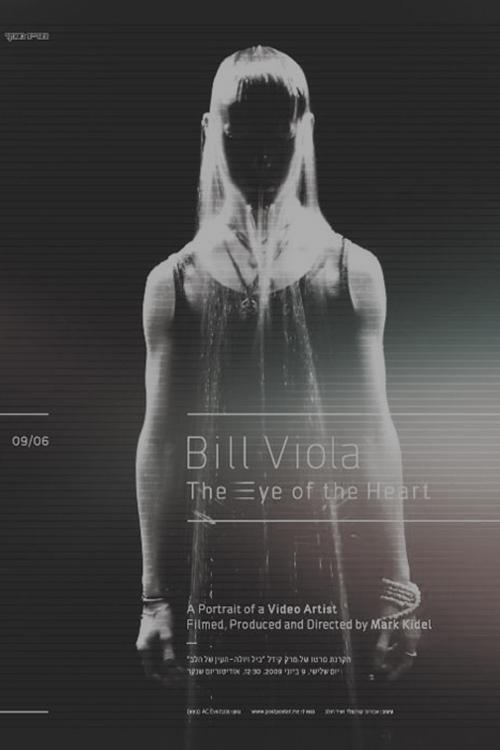
Hailed as the "Rembrandt of the Video Age," renowned American artist Bill Viola became the first contemporary artist ever to be featured in a one-man show at London's prestigious National Gallery. This documentary directed by Mark Kidel features rarely seen footage from Viola's own archive and in-depth interviews with the video maverick. Viola talks passionately about his life and the influences that have driven his artwork from the beginning.
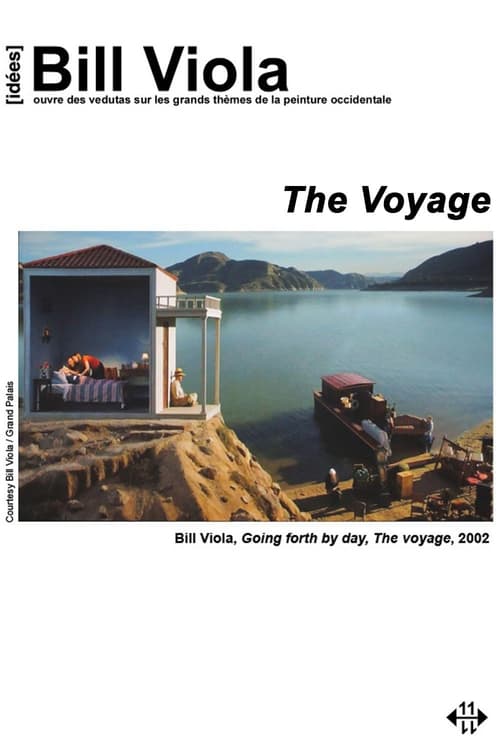
The fourth video in the five-part digital-image cycle project "Going Forth By Day" (2002), "The Voyage" features an elderly man who is dying, surrounded by his family, as a boat below filled with his possessions awaits him.
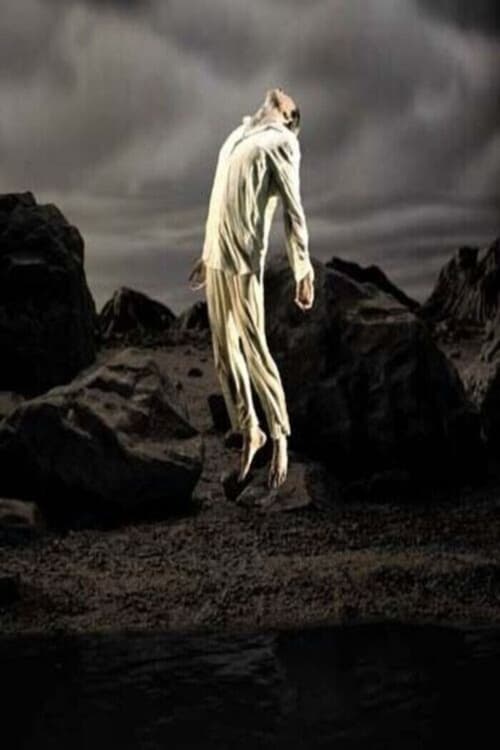
The film is a five-part projection-based installation, which addresses the complexity of human existence through the themes of individuality, society, death and rebirth. Each video is projected directly onto the wall of the exhibition space, just as paint from a fresco adheres to the surface of a plaster wall.

No plot available for this movie.
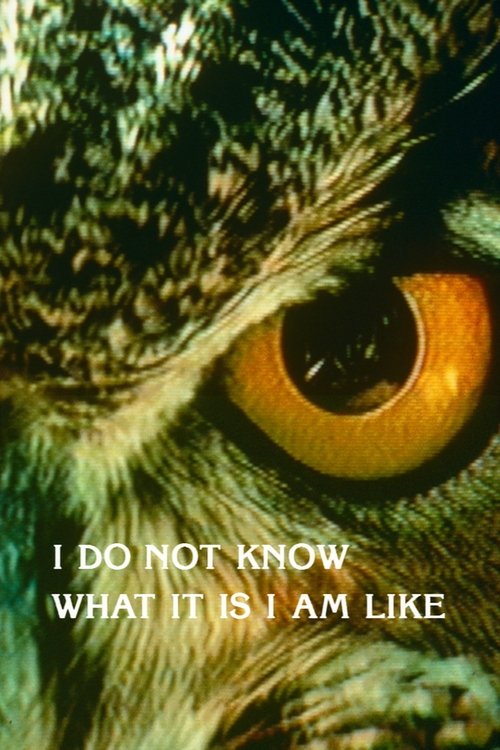
"I Do Not Know What It Is that I Am Like" juxtaposes images of animals, both wild and domestic, and natural environments with human activity as it takes place in an apartment, and during a fire walking ceremony in Fiji. Documentary-style footage is combined with staged events. Despite the piece's lack of a traditional narrative, it bears some relationship to nature works. The segment features material from "Il Corpo Scuro (The dark body)" - animals and natural environments are seen up close and at a distance.

Viola experimental short
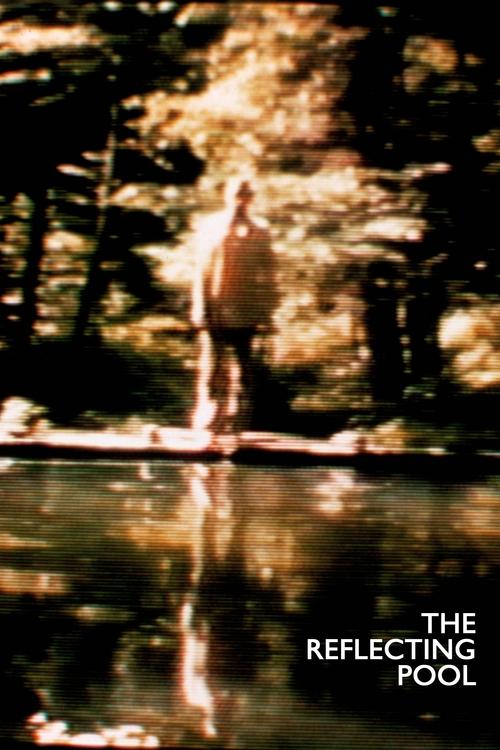
Viola's seminal piece, The Reflecting Pool, was made three decades ago on analogue video tape and yet could easily pass for a contemporary digital piece; in it, Viola emerges as central protagonist from a thick forest into a clearing filled by an artificial pool. As the noise of an aeroplane slowly passes and fades overhead, Viola approaches the edge of the pool, whereby he removes his shoes, squats down yelling and then prepares to make a powerful jump.
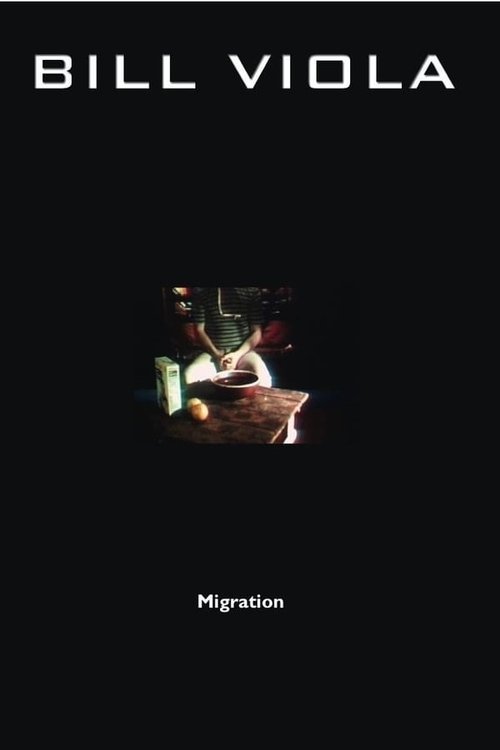
Migration is an analysis of an image, a metaphorical exercise in perception and representation, illusion and reality, microcosm and macrocosm, nature and consciousness.
Subscribe for exclusive insights on movies, TV shows, and games! Get top picks, fascinating facts, in-depth analysis, and more delivered straight to your inbox.