
Action
Adventure
Animation
Comedy
Crime
Documentary
Drama
Family
Fantasy
History
Horror
Music
Mystery
Romance
Science Fiction
Thriller
War
Western
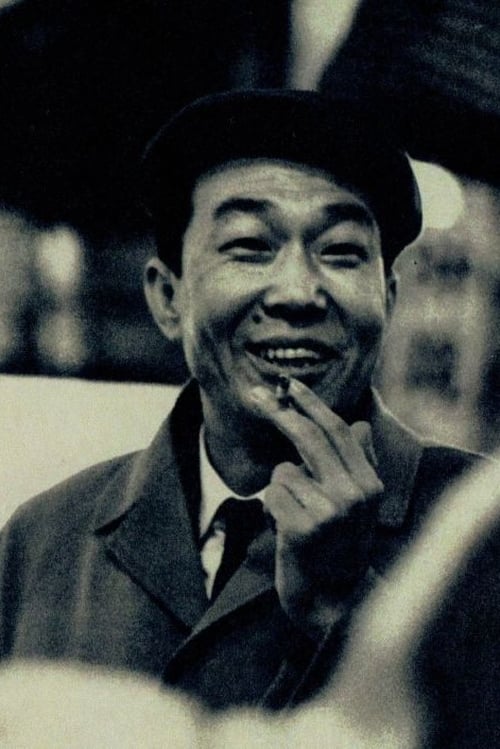
Shōichi Ozawa (小沢 昭一, Ozawa Shōichi, April 6, 1929 – December 10, 2012) was a Japanese actor, radio host, singer, and prominent researcher and expert on Japanese folk art. He also founded the Shabondama-za theater company. Ozawa, who was born in Tokyo, graduated from Waseda University. He began acting after college, beginning with his debut stage role in 1951. He also appeared in television and f...
Not available
Enjoying the content? Support us!
Enjoying the content? Support us!
Explore all movies appearances
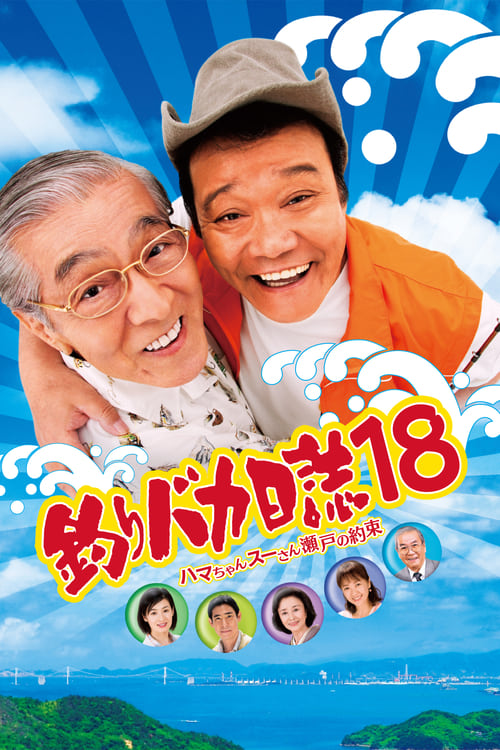
Hama-chan goes to Okayama to look for Su-san when he goes missing a few days after freezing up during his inaugural speech as the company chairman.
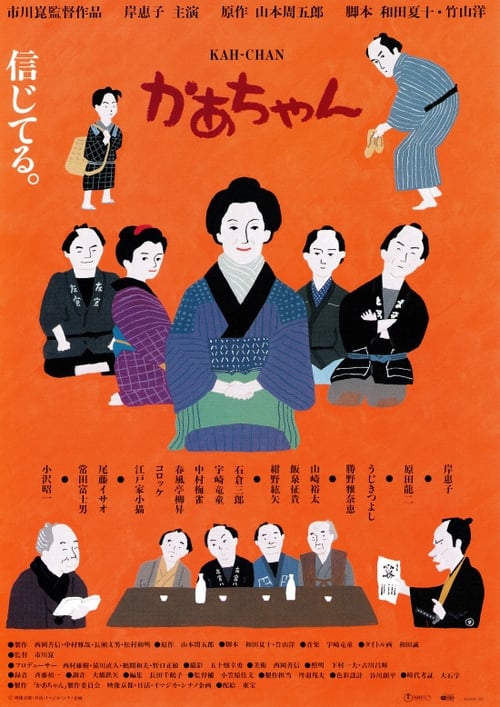
Okatsu is a widow raising five children - adults but still mama-dependent - in mid-eighteenth century Edo, Japan. Her frugality attracts unflattering comment even amid national tough times (the region is in famine) What Okatsu tells no one is that she saves so that a friend can start his own business once he's released from prison.
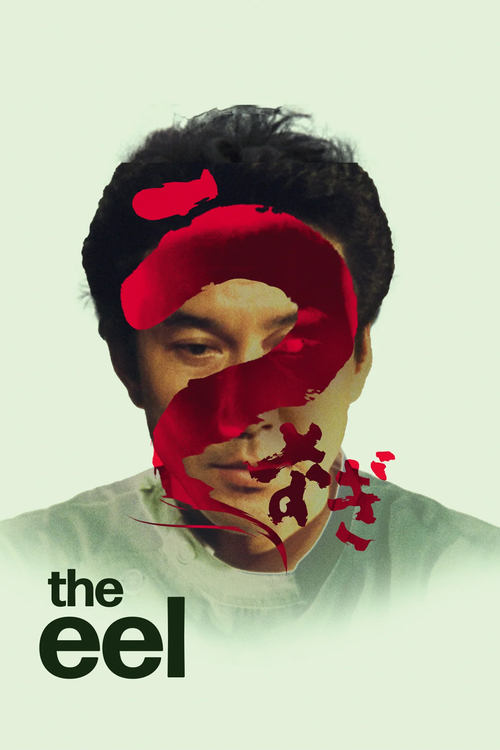
A businessman kills his adulterous wife and is sent to prison. After his release, he opens a barbershop and meets new people, talking to almost no one except for an eel he befriended while in prison.
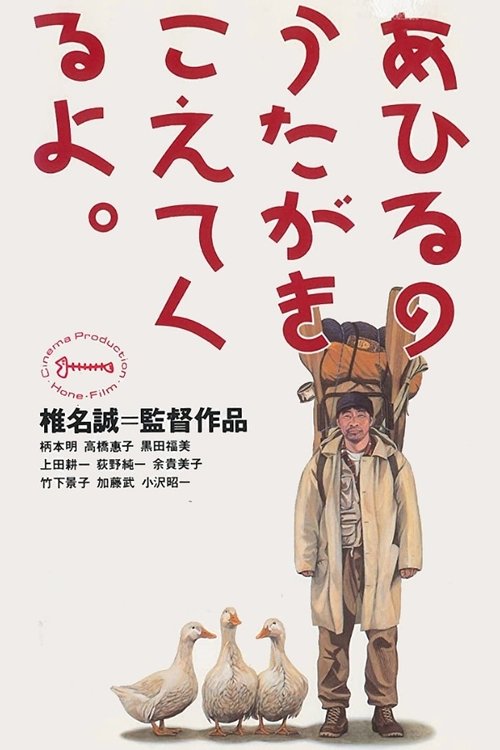
A man fed up with city life moves to a village in the mountains
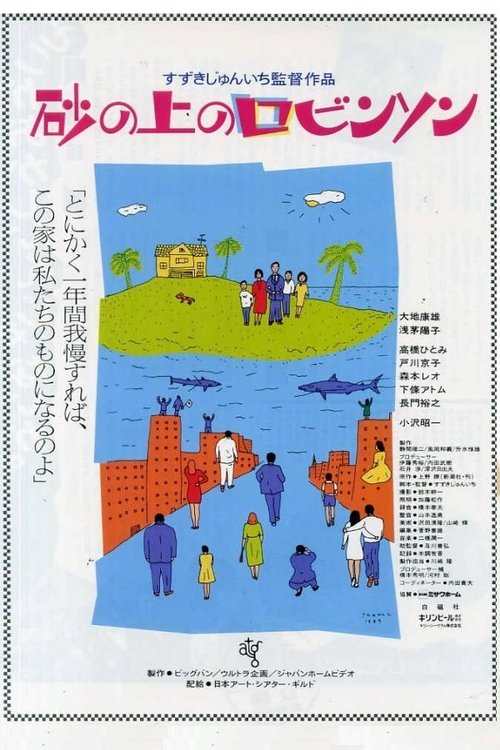
An opportune salaryman moves his family into a model mansion for 12 months; unfortunately, they must allow prospective buyers to trek through their home during business hours.

Shigematsu Shizuma, who lives with his family in a village near Fukuyama, was in Hiroshima with his wife and niece just after the devastating atomic bombing, a tragedy that cruelly took the lives of thousands of people and forever marked the harsh existence of the survivors.
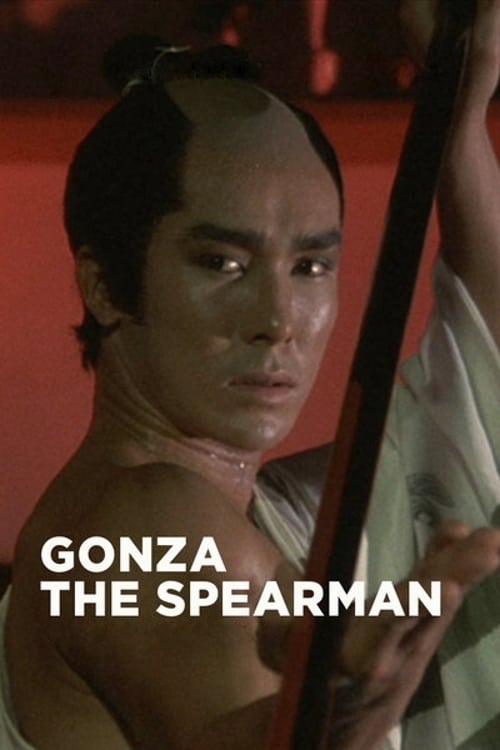
During the peaceful Tokugawa period, handsome samurai Gonza becomes entangled in a tragic love triangle and a web of deceit while trying to advance his social standing through the tea ceremony.

In a small village in a valley everyone who reaches the age of 70 must leave the village and go to a certain mountain top to die. If anyone should refuse they would disgrace their family. Old Orin is 69. This winter it is her turn to go to the mountain. But first she must make sure that her eldest son Tatsuhei finds a wife.
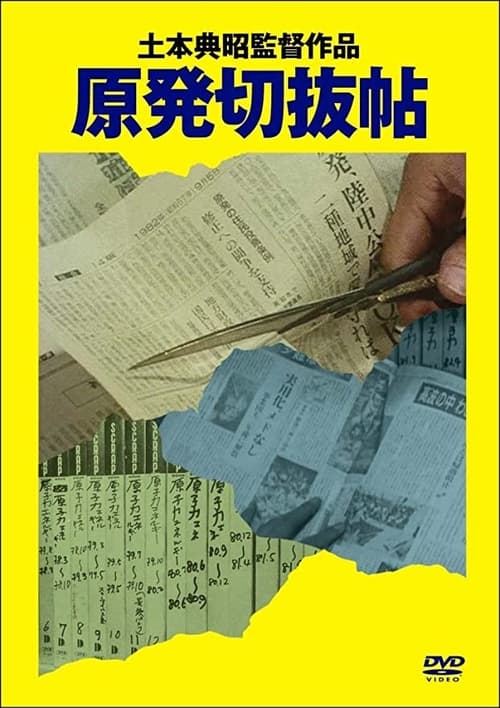
A film essay about nuclear energy in Japan, composed of newspaper clippings collected in scrapbooks
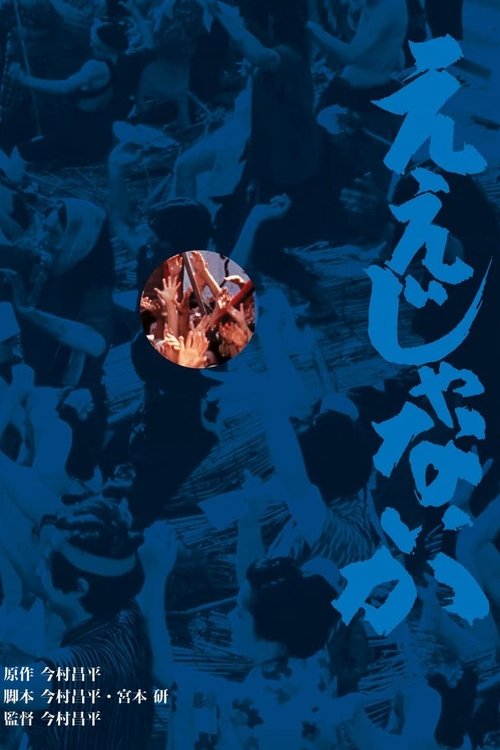
The film depicts carnivalesque atmosphere summed up by the cry "Ei ja nai ka" ("Why not?") in Japan in 1867 and 1868 in the days leading to the Meiji Restoration. It examines the effects of the political and social upheaval of the time, and culminates in a revelrous march on the Tokyo Imperial Palace, which turns into a massacre. Characteristically, Imamura focuses not on the leaders of the country, but on characters in the lower classes and on the fringes of society.
Subscribe for exclusive insights on movies, TV shows, and games! Get top picks, fascinating facts, in-depth analysis, and more delivered straight to your inbox.