
Action
Adventure
Animation
Comedy
Crime
Documentary
Drama
Family
Fantasy
History
Horror
Music
Mystery
Romance
Science Fiction
Thriller
War
Western
Explore all movies appearances
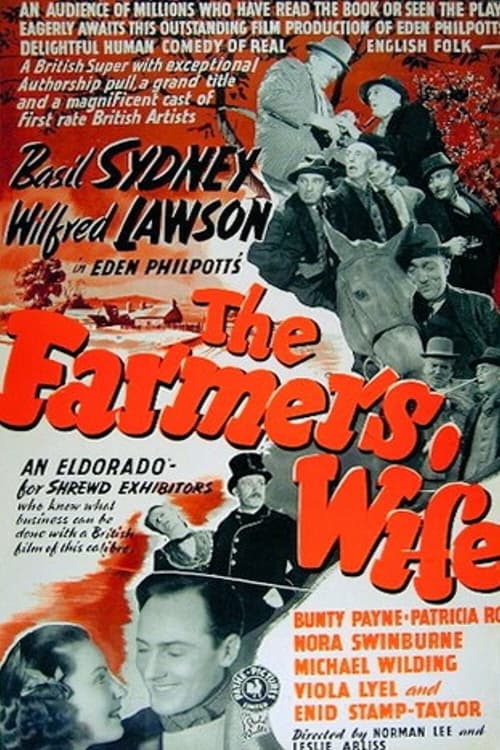
Eden Philpotts' "provincial" comic novel and play The Farmer's Wife was first filmed in the silent era by Alfred Hitchcock. The 1940 talkie version was directed by Leslie Arliss, son of stage star George Arliss. The story remained the same: A middle-aged widower attempts to select a wife from his rural district's eligible females (Basil Sydney). Three unsuccessful dalliances later, the farmer settles for his housekeeper, whom the audience has been rooting for all along. The Farmer's Wife is a prime example of the sort of fare that struck a proper chord with British filmgoers, but whose appeal would be lost to any other nationality.
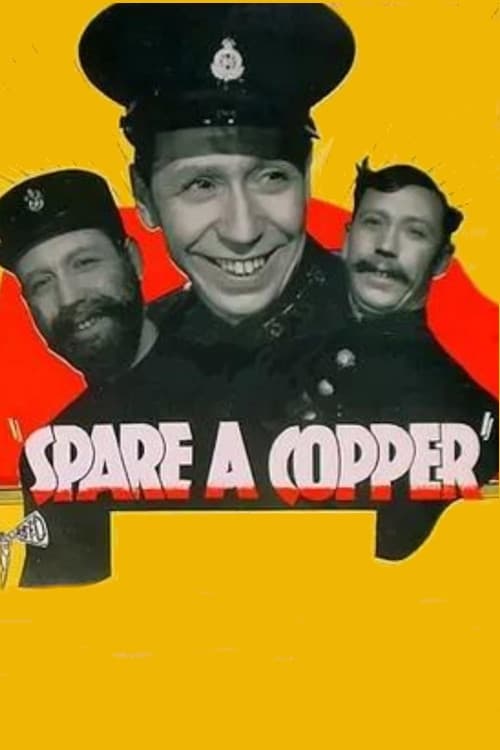
George is an inept reserve policeman working in wartime Liverpool, who is chosen by a gang of Nazi saboteurs as the stooge for their planned destruction of the British battleship HMS Hercules. Framed by the villains and forced to go on the run, George sets out to clear his name with the aid of new girlfriend, Jane.
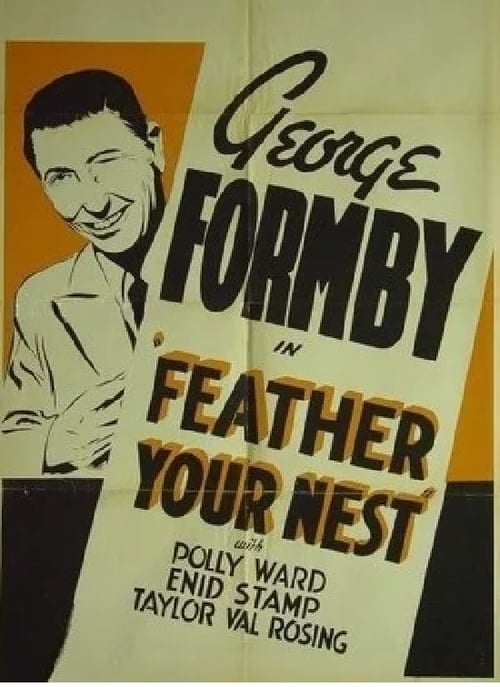
A worker at a gramphone record factory surprisingly creates a hit song.
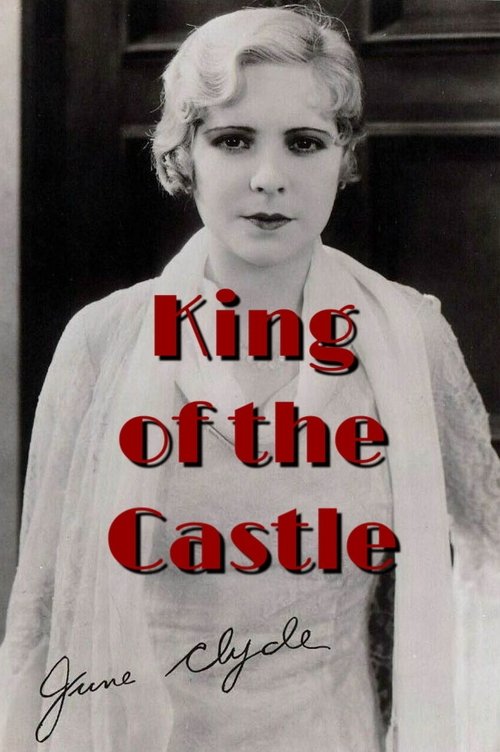
A family butler tries to find the missing heir to a title.

Fantasy of a bank clerk who accepts a deposit of a million too late to put it in the bank and has to guard it over the weekend.
When Sally inherits a country house, her young brother Ronald, an aspiring journalist, hits on a sensational way to make his first big scoop: Sally will 'disappear', and he will be arrested for her murder! At his trial she will reappear, his acquittal will follow, and he will be able to supply his paper with an exclusive story. Sally and her fiance, Bill, fall in with the scheme. However, there are complications which they had not foreseen.
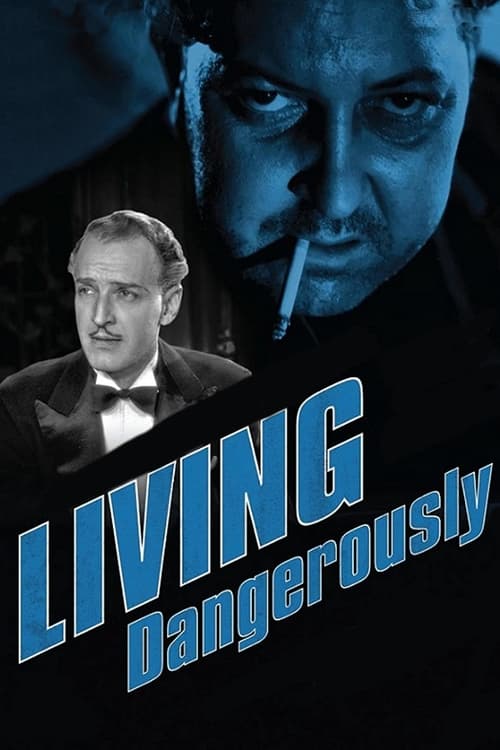
The dramatic story of a normal, intelligent man of good principles driven to contemplate thoughts of murder.
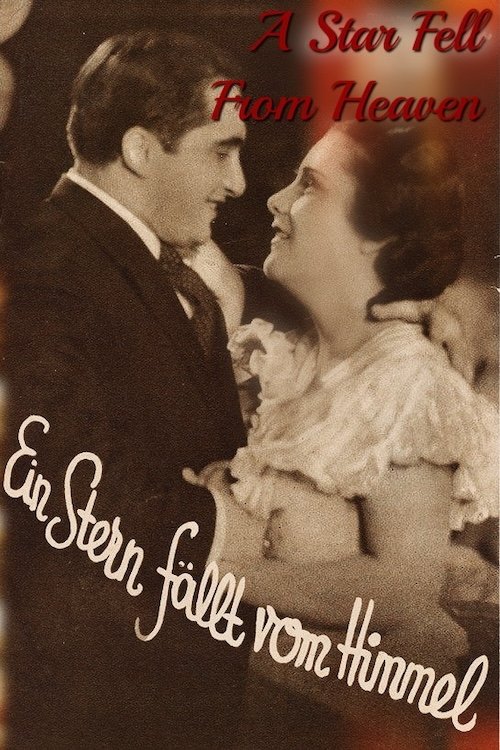
In this comedy, a talented singer is hired to dub the voice of a star who has lost his own. During the film's premiere, news that he sang the songs slips out and suddenly he finds that he himself has become a star. Unfortunately he soon encounters unanticipated problems. He is especially concerned about his girl friend who dumped him in favor of the voiceless star.
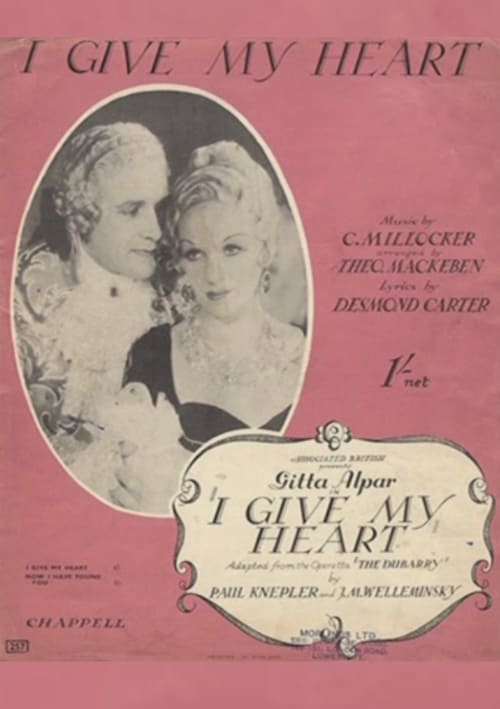
The Loves of Madame du Barry was the American title of the 1935 British operetta I Give My Heart, based on the stage musical The Du Barry. German actress Gitta Alpar stars as Jeanne, the young 18th century Parisian milliner who sleeps her way to the uppermost rungs of French aristocracy, emerging at last as the glamorous Madame du Barry, mistress of Louis XV (Owen Nares). Refusing to gloss over du Barry's sexual peccadilloes (as previous films with Norma Talmadge and Dolores del Rio had done), the film presents the "heroine" as a whore, pure and simple-or, on second thought, not so pure and simple! Particularly troublesome for American censors was a scene in which du Barry is depicted as a resident of a bawdy house. Otherwise, The Loves of Madame du Barry is standard historical-drama fare, allowing dozens of top European actors to play "dress-up" for 90 minutes.
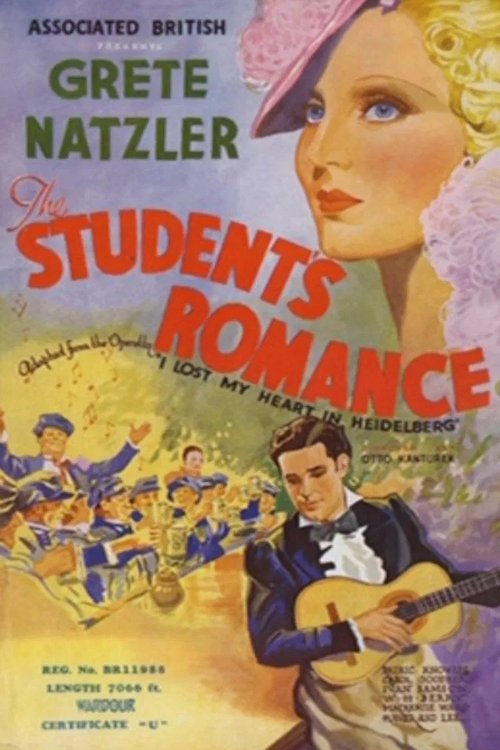
Based on the operetta I Lost My Heart in Heidelburg, which in turn owed a lot to that old chestnut The Student Prince. In 1825, impoverished composer Max enrolls at Heidelburg University. Local girl Veronika falls in love with Max, helping him to finance his education and clear his debts. Alas, Veronika is left out in the cold when Max becomes enamored with gorgeous tourist Helene. Little does he know that Helene is the daughter of the Grand Duke, meaning of course that their romance is doomed to disappointment. Leading lady Grete Natzler later changed her screen name to Della Lynd, and under that cognomen co-starred with Laurel & Hardy in Swiss Miss (1938).
Subscribe for exclusive insights on movies, TV shows, and games! Get top picks, fascinating facts, in-depth analysis, and more delivered straight to your inbox.