
Action
Adventure
Animation
Comedy
Crime
Documentary
Drama
Family
Fantasy
History
Horror
Music
Mystery
Romance
Science Fiction
Thriller
War
Western
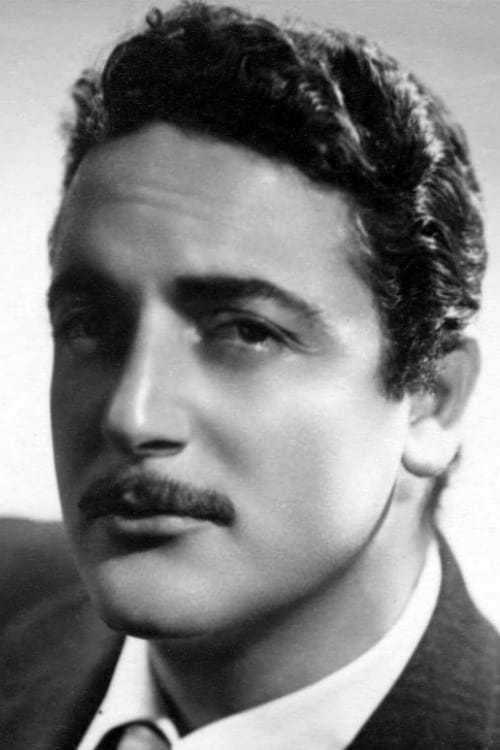
Before becoming a director, screenwriter, and producer, Artur Semedo enjoyed success as an actor on stage, television, and in feature films from 1949 through 1965. Semedo spent the years 1962 through 1965 working in Brazil.
Not available
Enjoying the content? Support us!
Enjoying the content? Support us!
Explore all movies appearances

No plot available for this movie.

This Portuguese movie directed by João Botelho, is part of The Four Elements series. This is the second episode, The Air.
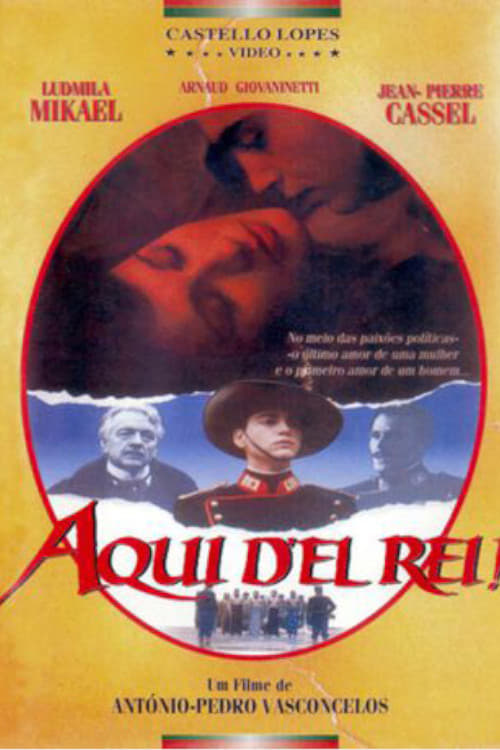
At the end of the nineteenth century, an army force led by Major Mouzinho de Albuquerque, a cavalry officer, imprisoned in Mozambique the tribal chief Gungunhana, who had rebelled against Portuguese government and sovereignty. Mouzinho instantly becomes a national hero but his raising popularity worries the State.
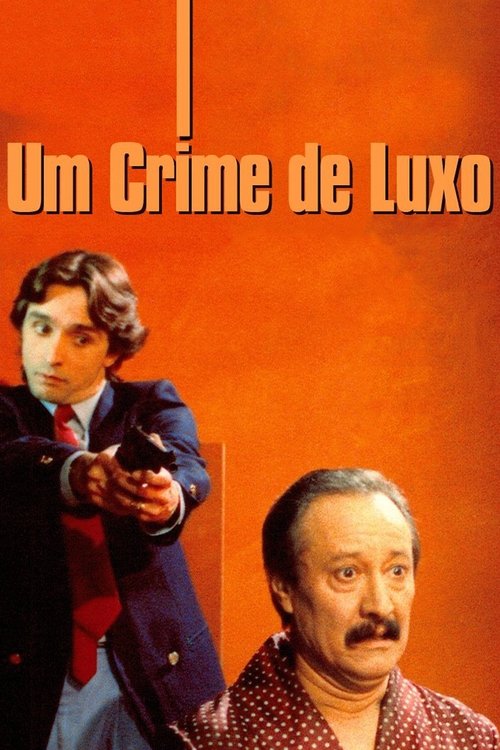
Pontius Branco was a climber of the economy, climbed by money like Mount Everest. aggressive businessman. His wife Bernarda felt betrayed. He replaced her for the orgies between the purchase intervals, sells and deceives. Here comes the train from 15:30 to Lisbon a coming emigrant from France with a five year old daughter in her arms and attacks Pontius in his stronghold, demanding recognition of the daughter of sin, Libertina that he had made her "bidonville» on the city of light. Bernarda hires a private detective to obtain evidence of Pontius's adultery with a curvaceous blonde, whose dream was to own butchers, fishmongers and vegetable places in a shopping center. Pontius who all deceived and this triangle (not Bermuda), weaves the web and bore's the head of the entrepreneur. A perfect luxury crime puts the police overtime. Time passes and only after the Seventh Day Mass is brought to light when the sky was given the eclipse of the moon ...

Beladona was the greatest star, or so she thought. Careless of her rural property, she lived by night countless adventures. From one such nights in the arms of a stage and movie producer, she begot her dear Lilás. Alas, six minutes after birth, the boy was taken from her and declared dead - due to the intrigue of the producer, who didn't want to recognize the child as his. Taken into custody by a surrogate mother, twenty years after the child grew into a man, who starts his education in the very fado (folk song, also meaning destiny) tavern where his real mother is. Beladona is still an attractive woman - and drama is round the corner.

Dona Elvira promises to get a job from José through the typical Portuguese wedge. In parallel, they are bizarre aspects and eccentric figures of the city life, including the tragedy of the actress Maria Alves.

A nobleman from Alentejo, from a very conservative family, intends to reconquer Olivenza, returning the situation to the times of the Treaty of Tordesillas. To this end, he creates two movements, which prepare for the big day. However, these plans do not work, as the daughter of the Mayor of Olivenza falls in love with the son of the Baron of Altamira, and the war will be different...

A young man returns to his native Alentejo countryside and encounters the legendary seductive “enchanted moura,” sparking a poetic journey that intertwines ancient Arabic folktales with contemporary rural life. Drawing on medieval prose and verse, the film explores cultural memory and pagan traditions through visual folklore rooted in Portuguese-Arab heritage.

This exaggerated mockery of crime cinema tells the story of a gang lead by "Renato, o pacíficio" (Renato, the peaceful) and their attempt to steal precious jewels from the Gulbenkian Museum in Lisbon. The weapon of choice? Bees!

Impossible Invasion is the fifth film in the Lisboa Sociedade Anónima series. Set in the 1960s, it is a touching descent into the emotional misery of the petty bourgeoisie living in rented rooms, suffocating on precarious civil service salaries, with a cultural horizon of soccer and television, and against the backdrop of the colonial war and the glory of the bridge over the Tagus. Noteworthy are the fine performances of the actors (especially Maria do Céu Guerra), the creation of an oppressive and mediocre atmosphere, well underscored by songs from the period, and the concise and rigorous characterization.
Subscribe for exclusive insights on movies, TV shows, and games! Get top picks, fascinating facts, in-depth analysis, and more delivered straight to your inbox.