Action
Adventure
Animation
Comedy
Crime
Documentary
Drama
Family
Fantasy
History
Horror
Music
Mystery
Romance
Science Fiction
Thriller
War
Western
Explore all movies appearances
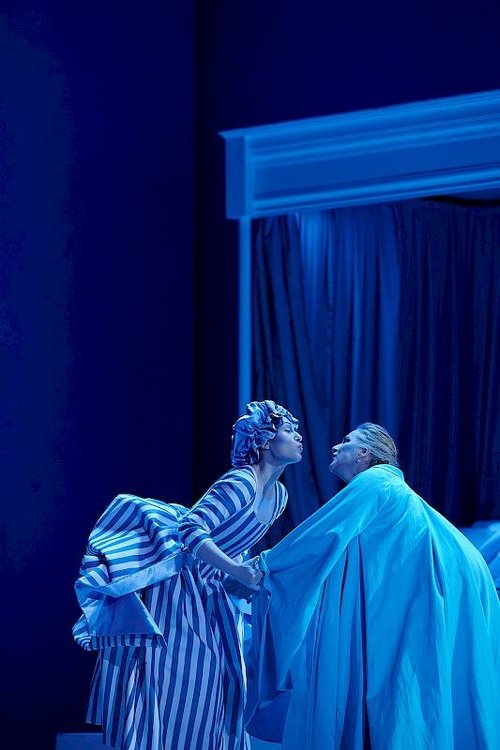
When Strauss and Hofmannsthal wrote «Der Rosenkavalier» – setting it in an imaginary Rococo Vienna and yet closely linked to the decadent fin de siècle – they created a profound social comedy. It is not without melancholy that the Marschallin lets her young lover Octavian go when he falls head over heels with Sophie, who hails from Faninal’s bourgeois household. As voluptuous as Strauss' score is, it contains tender moments of dream and melancholy. Director Lydia Steier stages Strauss’ opera according to an aesthetic concept by Austrian artist Gottfried Helnwein. Diana Damrau sings the Marschallin. Joana Mallwitz, chief conductor at the Konzerthaus Berlin, conducts the Orchester der Oper Zürich.
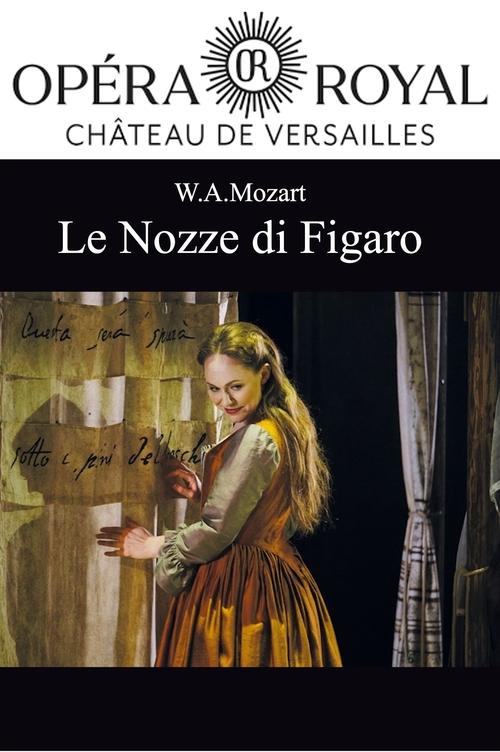
Le Nozze di Figaro marked the beginning of Mozart’s collaboration with Da Ponte. At the premiere in 1786, the success was mixed in Vienna, but Prague was enthusiastic about this love imbroglio set in Seville, where the Countess and Suzanna play cat and mouse with the gentlemen, to avoid the Count’s designs on his maids… Figaro undertakes to set this little world to rights, to confound his Master while preserving the Countess’s affair with Cherubino. An infernal machine launched at full speed, which allows Mozart to produce arias of great beauty, an exceptionally determined Figaro, and reversals of situation which are the subject of brilliant ensemble numbers at the end of each act. Exhilarating!

Così fan tutte, or The School for Lovers, is the last joint opera buffa by Mozart and Da Ponte. The libretto and score were written in a month in December 1789, and the premiere took place at the end of January 1790, but the death of the Emperor interrupted the run after five performances. This Neapolitan-style comedy (the action is set in Naples!), but very much inspired by French comic opera, and in particular by Femmes Vengées composed by Philidor in 1775 to a libretto by Sedaine (which was performed in Vienna), where two women wanting to teach their husbands a lesson exchange their roles by cross-dressing… in order to seduce them and confuse them better! Twenty years later, Mozart and Da Ponte found exceptional inspiration for this comedy of manners in the spirit of Marivaux, where love, beauty and cruelty are subtly intertwined, until all hell breaks loose for some anthological moments!
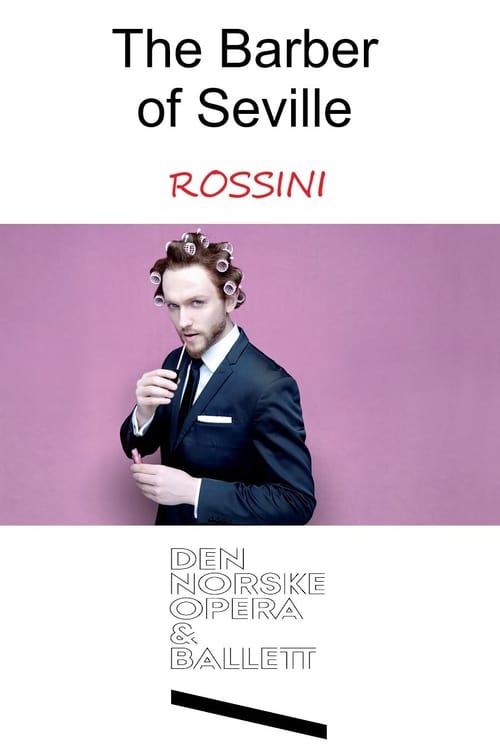
A young count is in love with a shrewd woman who returns his feelings. But her guardian harbours his own plans for her. When jack-of-all-trades Figaro rushes to the young couple's aid, bribery, deceit and comic entanglements ensue. Will he succeed in saving the day - and love? Bursting with exuberant music, captivating comedy and ingenious disguises, Rossini’s masterpiece is the ultimate feel-good opera. In Den Norske Opera and Ballett’s new production, director Jetske Mijnssen takes the story seriously - didn’t Count Almaviva and Rosina’s union turn out unhappy in Mozart’s The Marriage of Figaro? - and shows how comedy is always close to tragedy.
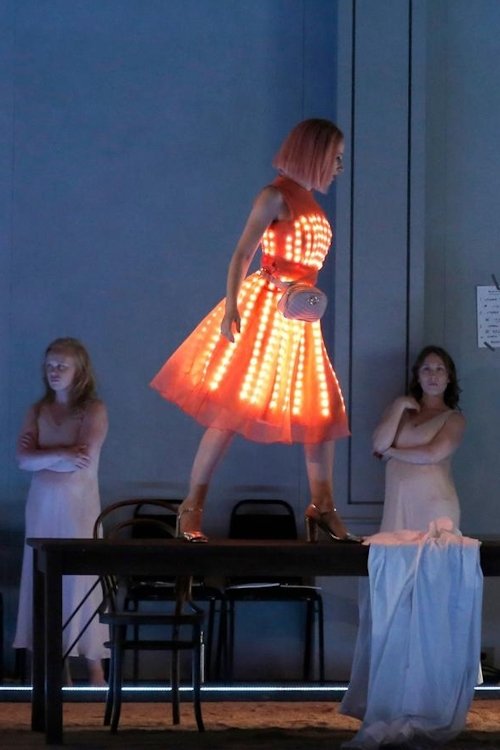
A staging of Richard Strauss' opera "Ariadne auf Naxos" by Katie Mitchell. Recorded at the Festival d'Aix-en-Provence.
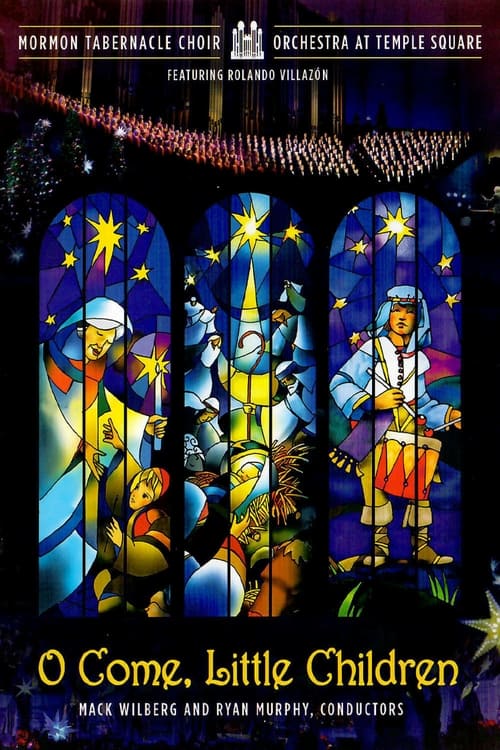
O Come, Little Children features classic Christmas songs beloved by children and adults everywhere. Performed by the world-renowned Mormon Tabernacle Choir, accompanied by the Orchestra at Temple Square, and featuring the singularly beautiful voice of acclaimed tenor Rolondo Villazon, this album takes the listener on a joyful journey through timeless classics that celebrate the season. Rolando's powerful tenor voice shines on classic carols "I Saw Three Ships," "Deck the Hall," and "We Three Kings." Delightful renditions of "Christmas Children" from Scrooge and "Parade of the Wooden Soldiers" are performed by the Orchestra at Temple Square, followed by Rolando's tender reading of the celebrated short story "The Little Match Girl," by Charles Dickens. This album will whisk you away to once again see the childlike wonder of Christmas.
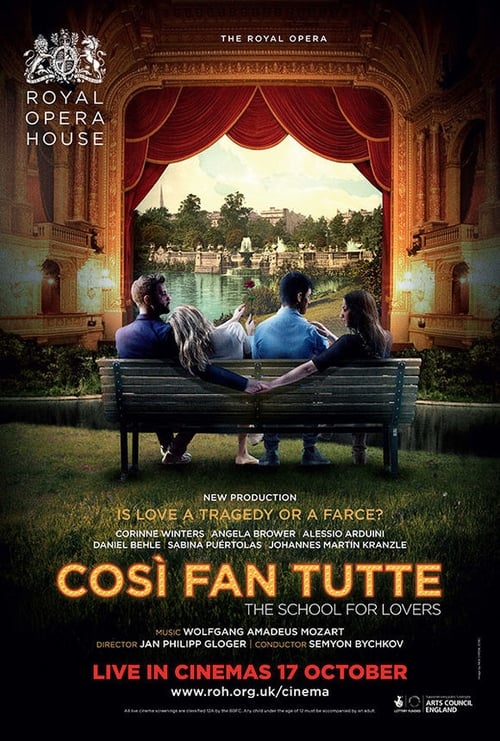
Semyon Bychkov conducts a cast of young, up-and-coming talent including American soprano Corinne Winters in a new production of Mozart’s opera on the nature of love.
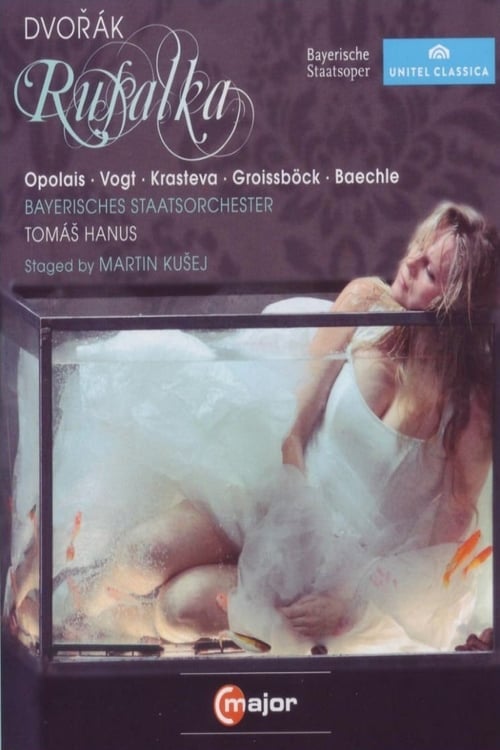
A legend of mermaids, mere mortals, and sylvan glades. Be transported to a mystical world of water sprites, witches, and wood nymphs. In exchange for love, Rusalka will relinquish not only her mermaid magic, but also her voice.
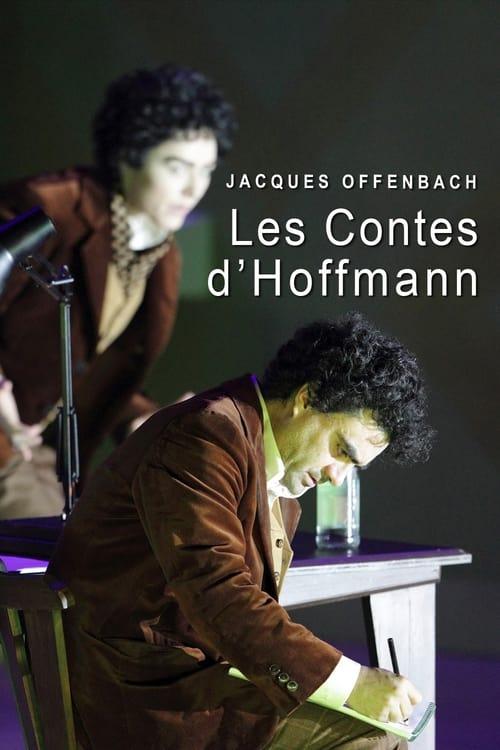
Live performance, Bayerische Staatsoper, 2011. The Tales of Hoffmann (French: LES CONTES D'HOFFMANN) is an opéra fantastique by Jacques Offenbach that combines three short stories by E.T.A. Hoffmann into a haunting whole: a melancholy poet reflects on three women he loved and lost in the past: a mechanical performing doll, a Venetian courtesan, and the consumptive daughter of a celebrated composer. One of the questions this opera poses for any director is how to link the 'tales' of Hoffmann's three lost loves together and knit them satisfactorily into the Prologue and Epilogue. In this production, Richard Jones solves the puzzle by turning it into an autobiographical journey which ends with a grand meet-up of all the characters Hoffmann has encountered: for once, Hoffmann is not presented as a rollicking kind of drunken story-spinner, but rather a sad-eyed, sobered-up depressive, who reaches for the bottle only because his disastrous love life has gone wrong yet again.
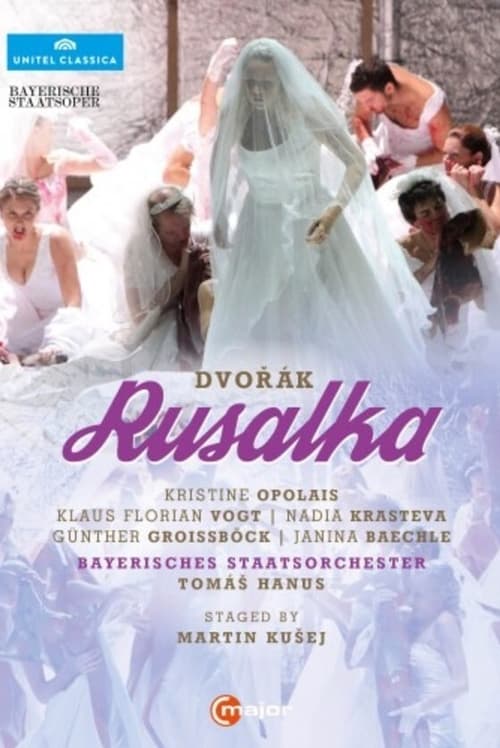
Rusalka is not a happily tragic fairy tale. Rusalka’s lake is a dark, damp cellar, where she is imprisoned with her sisters by her abusive father. But once she finally escapes, she is thrown mute and alone into an equally brutal world where she is utterly unequipped to survive, and he increasingly looks like a protector.
Subscribe for exclusive insights on movies, TV shows, and games! Get top picks, fascinating facts, in-depth analysis, and more delivered straight to your inbox.