
Action
Adventure
Animation
Comedy
Crime
Documentary
Drama
Family
Fantasy
History
Horror
Music
Mystery
Romance
Science Fiction
Thriller
War
Western

Rita Lee Jones de Carvalho, OMC • ORB better known as Rita Lee (born Rita Lee Jones; São Paulo, December 31, 1947 – São Paulo, May 8, 2023) was a Brazilian singer, songwriter, television presenter and writer. Known as the "Queen of Brazilian rock", she was the woman who sold the most records, 55 million, making her the most successful female artist in terms of sales in Brazil and the fourth overal...
Enjoying the content? Support us!
Explore all movies appearances

It explores Rita Lee's personal life and her creative process, revealing her musical talent and her ability to transform on stage. Rita herself guides the narrative through past interviews she gave throughout her career and current testimonies.

Just before her departure, Rita Lee writes a farewell letter to her three children and her husband and musical partner, Roberto de Carvalho, in which she reflects on her life and joyfully celebrates her family. Her final moments also mark the time to look back and review a career full of unforgettable successes, which led her to sell more than 55 million records. But it is also a time to reveal her downfalls, her vulnerable side, and her excesses as the queen of rock. With completely unseen personal archives and exclusive testimonies from her own family, as well as producers, journalists, musicians, and celebrities such as Gilberto Gil and Ney Matogrosso, "Rita Lee: Mania de Você" presents her definitive legacy.

The special documentary celebrates Elis Regina's 75th birthday and makes a parallel between Elis' extremely prevailing thoughts with those of João Marcello Bôscoli, Pedro Camargo Mariano and Maria Rita, her children, answering the same questions in the present time. All three talk about their childhood, their relationship with Elis and her artistic career.
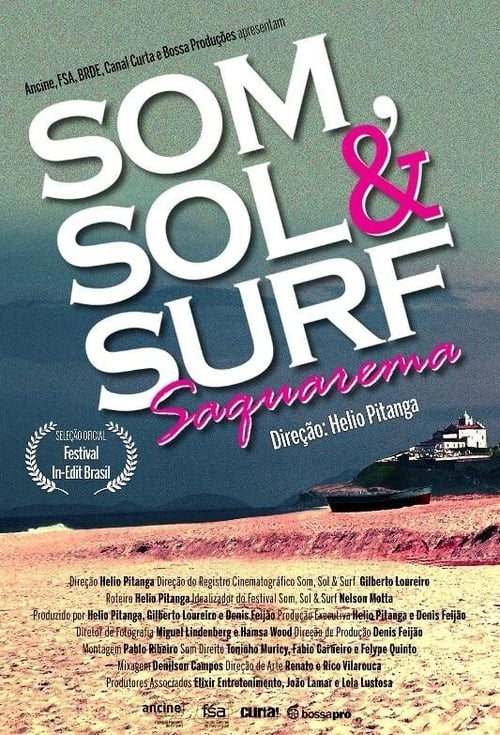
In 1976, a great rock show, called "Som, Sol & Surf", took place on Itaúna beach, in Saquarema and also had a surfing championship. For three days, a crowd of young people enjoyed songs by Rita Lee, Angela Ro Ro, Raul Seixas and others.

In this film, Laerte conjugates the body in the feminine, and scrutinizes concepts and prejudices. Not in search of an identity, but in search of un-identities. Laerte creates and sends creatures to face reality in the fictional world of comic strips as a vanguard of the self. And, on the streets, the one who becomes the fiction of a real character. Laerte, of all the bodies, and of none, complicates all binaries. In following Laerte, this documentary chooses to clothe the nudity beyond the skin we inhabit.

Brazilian soccer players Sócrates, Casagrande and Vladimir lead a historic movement in sports by adopting a democracy within their team, making a statement against the country's military dictatorship.
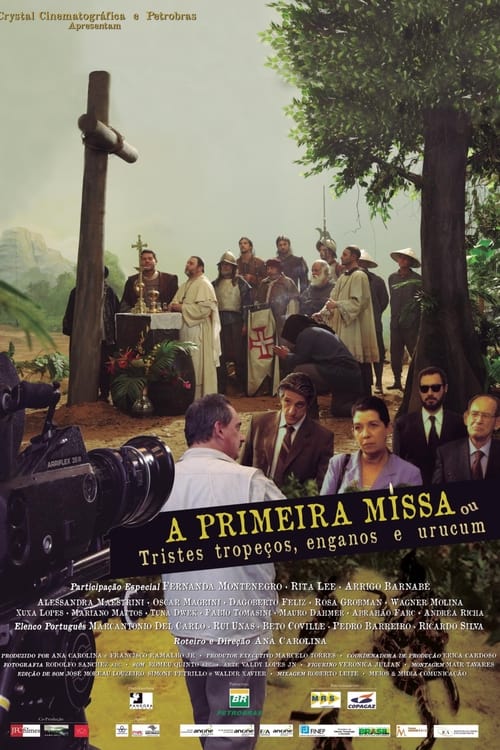
On set, in the middle of the Atlantic Forest, a stressed film director begins another day of filming, reproducing the celebration of the first mass in Brazil. Suddenly three strange agents emerge from the forest and abruptly interrupt the scene. Authoritarians, they confiscate the filmed negatives. The paranoid director grumbles: "Are they from the government?". The execution of the film is compromised. Will the director in trouble be able to complete his film?

Junior is a preteen worm who struggles to be accepted by his peers, only to get bullied for being spoiled by his overprotective mother. One day, while in an attempt to impress his friends, he is accidentally brought up to the surface by a shovel, thus starting a journey with great adventures and very high stakes - not only for the little hero, but also to the entire worms society. To get back home and save his own kind, Junior must first learn the powers of self-respect, trust and true friendship.
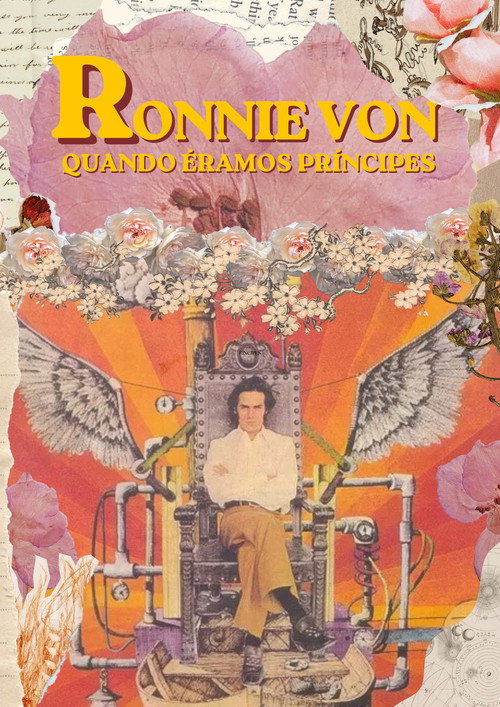
No plot available for this movie.
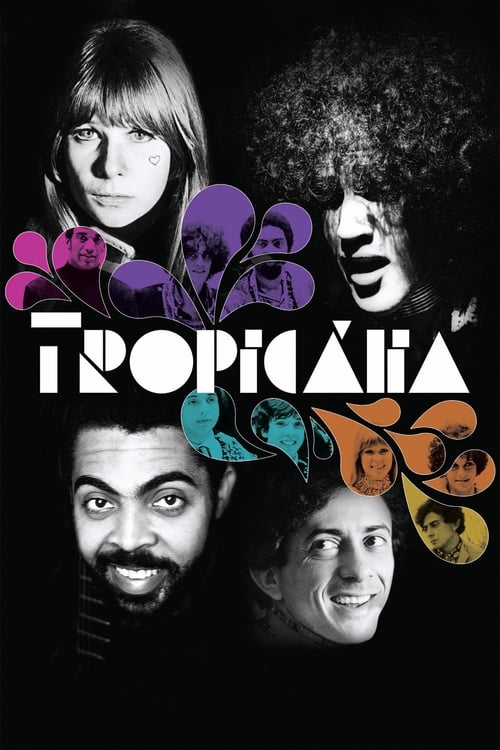
Set against the turbulent atmosphere of the 1960s, Tropicália is a feature length documentary exploring the Brazilian artistic movement known as Tropicália, and the struggle its artists endured to protect their right to freely express revolutionary thought against the traditional Brazilian music of that time.
Subscribe for exclusive insights on movies, TV shows, and games! Get top picks, fascinating facts, in-depth analysis, and more delivered straight to your inbox.