Action
Adventure
Animation
Comedy
Crime
Documentary
Drama
Family
Fantasy
History
Horror
Music
Mystery
Romance
Science Fiction
Thriller
War
Western
Enjoying the content? Support us!
Explore all movies appearances

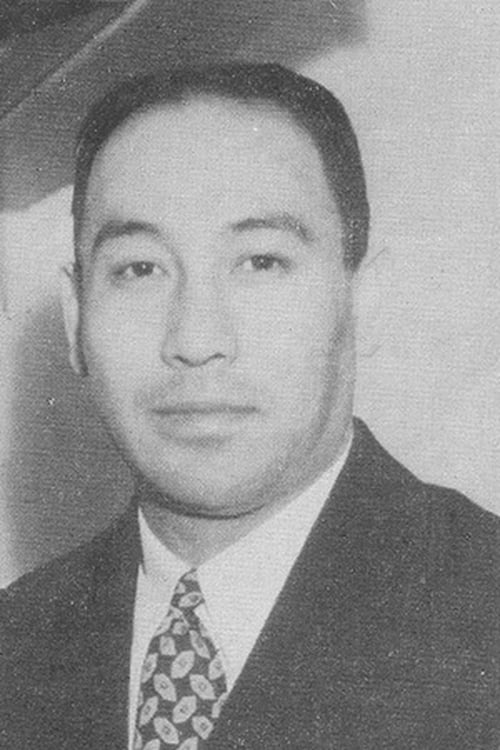
Two of the greatest stars of Japan’s kabuki theater reveal what has only rarely been seen: the actual acting techniques used in this most difficult and splendid of theater forms. Onoe Shoroku II and Onoe Baiko VII discuss and demonstrate their craft in conversation with the well-known author of works on Asian arts, Faubion Bowers. Includes film of great kabuki performances of the past. These great kabuki actors make the mechanics of theater kata (poses) clear and show some of the gestures and nuances of body language that communicate specific emotions and situations. Baiko, a famous player of women’s roles, performs a classic woman’s speech in full costume and heavy white-face make-up, and then does the same scene again in plain face and simple clothes. He shows how the Japanese fan speaks in its own language. He and Shoroku act out a fight scene; Shoroku demonstrates one of kabuki’s elaborate exit walk sequences, and compares different ways of making stylized gestures.
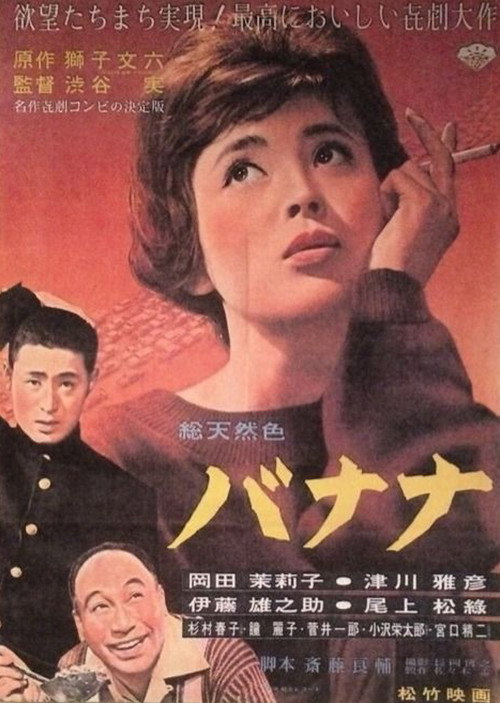
No plot available for this movie.
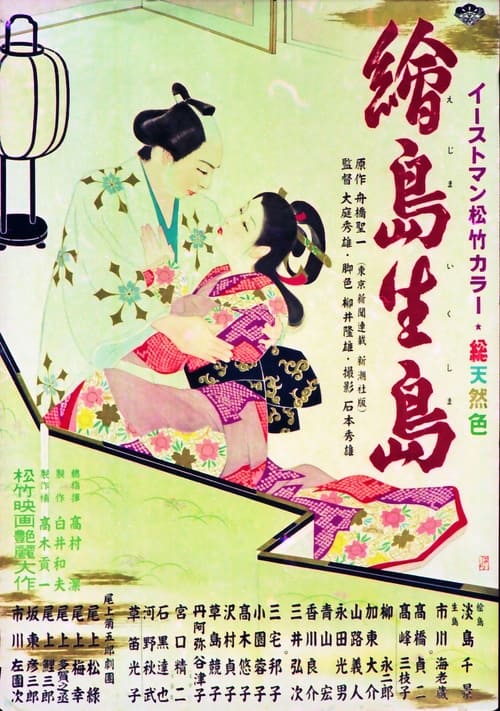
This period film is inspired by one of the most notorious scandals to have taken place in Edo-period Japan. The heroine, Ejima, was a lady of the Ooku, the harem of Edo Castle in which the Shogun’s mother, wife and concubines resided, forbidden from contact with any other man except in the presence of the Shogun. The institution played a key role in the Byzantine world of Japanese court politics during the Edo era. In 1714, Lady Ejima was sent to pay her respects at a Buddhist temple in the city, and chose to pay an unauthorised visit to the kabuki theatre – a violation of protocol that was to have tragic consequences.
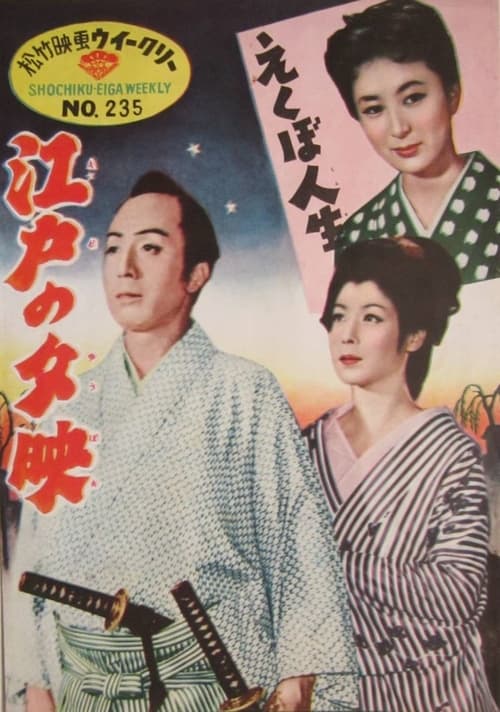
In the fourth year of Keio (1868), defeated retainers sought to restore the Tokugawa shogunate with the help of Enomoto Takeaki's navy. Honda Koroiku was one of them. He discreetly handed a departure note to his fiancée, Otosei, the daughter of Matsudaira Soebe, and left Edo. Otosei's cousin and Koroiku's friend, Domae Daikichi, was once a brave warrior of the shogunate army. However, he had since fallen into a life of debauchery in Yanagibashi and was rumored to be involved with a geisha named Orikki.
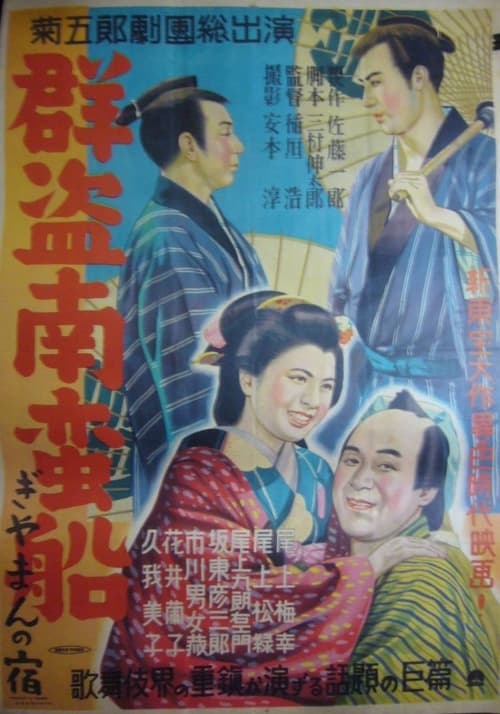
1950 Japanese movie
Film about Ghost-Cat.
A Japanese film.
No plot available for this movie.
No plot available for this movie.
No plot available for this movie.
Subscribe for exclusive insights on movies, TV shows, and games! Get top picks, fascinating facts, in-depth analysis, and more delivered straight to your inbox.