
Action
Adventure
Animation
Comedy
Crime
Documentary
Drama
Family
Fantasy
History
Horror
Music
Mystery
Romance
Science Fiction
Thriller
War
Western
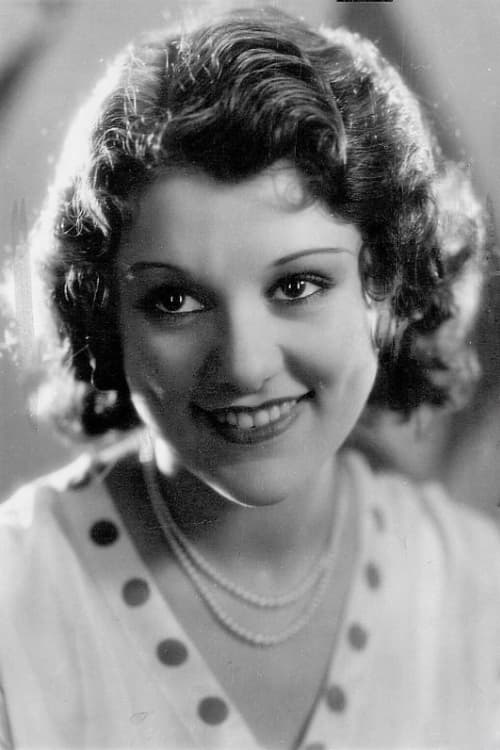
Lillian Roth (December 13, 1910 – May 12, 1980) was an American singer and actress. Her life story was told in the 1955 film I'll Cry Tomorrow, in which she was portrayed by Susan Hayward, who was nominated for the Academy Award for Best Actress for her performance.
Not available
Enjoying the content? Support us!
Enjoying the content? Support us!
Explore all movies appearances
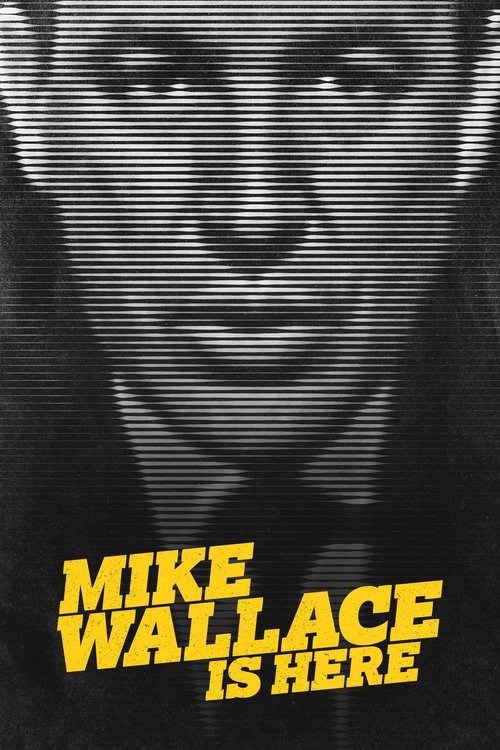
For over half a century, 60 Minutes' fearsome newsman Mike Wallace went head-to-head with the world's most influential figures. Relying exclusively on archival footage, the film interrogates the interrogator, tracking Wallace's storied career and troubled personal life while unpacking how broadcast journalism evolved to today’s precarious tipping point.
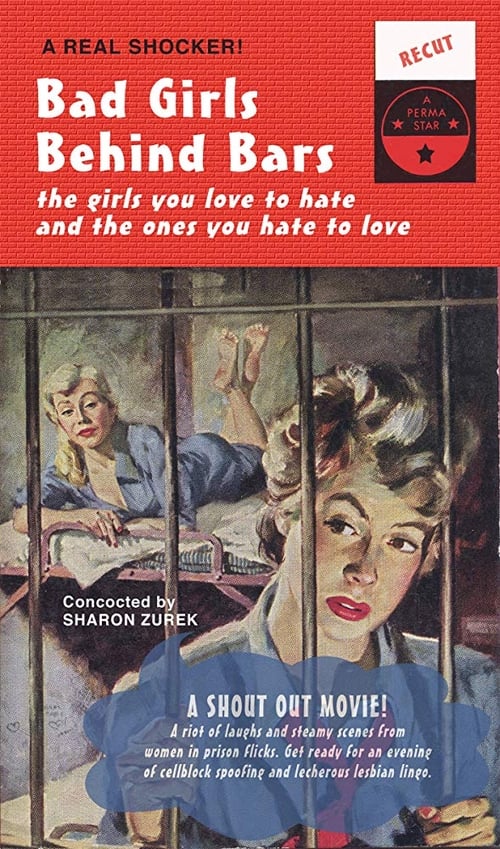
A camp, affectionate look at women in prison films - the girls you love to hate and hate to love.
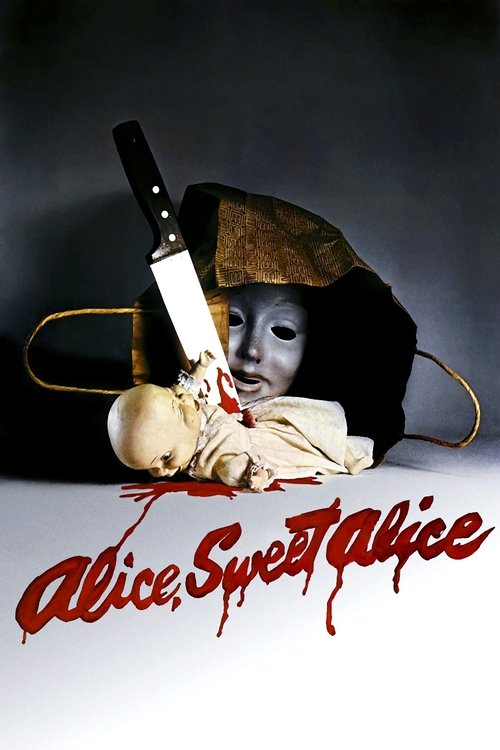
Alice is a withdrawn 12-year-old who lives with her mother and her younger sister, Karen, who gets most of the attention from her mother, leaving Alice out of the spotlight. When Karen is found brutally murdered in a church, suspicions start to turn toward Alice. But could a 12-year-old girl really be capable of such savagery?

No details available

Last Mentone short to be produced in New York
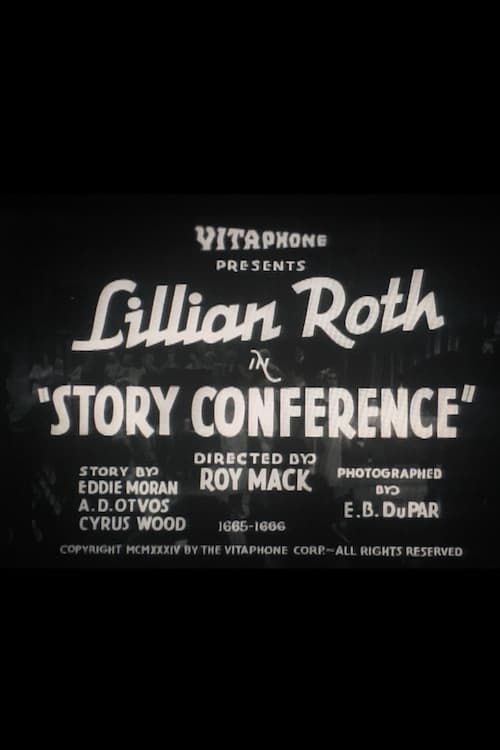
A movie producer announces that Lillian Roth has been signed to do a movie and he calls a story conference with a director and writers to come up with an idea for the film. As they work through some ideas, performers act out those possibilities via song and dance numbers.
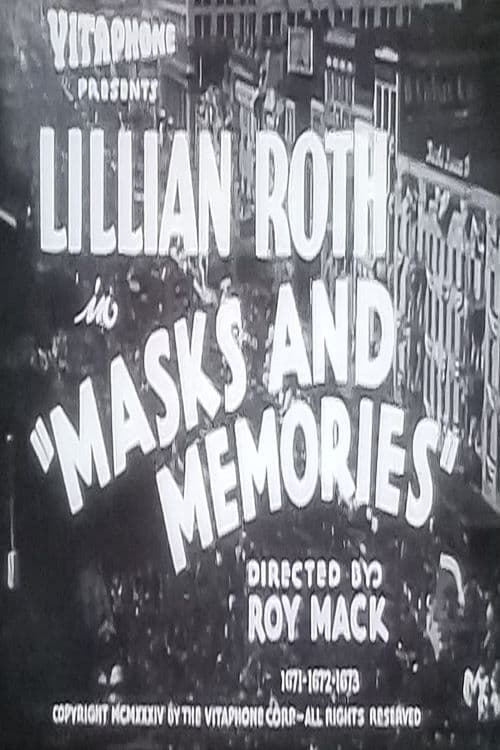
In this musical short, three individuals try to entice a reclusive uncle to join the festivities during Mardi Gras.
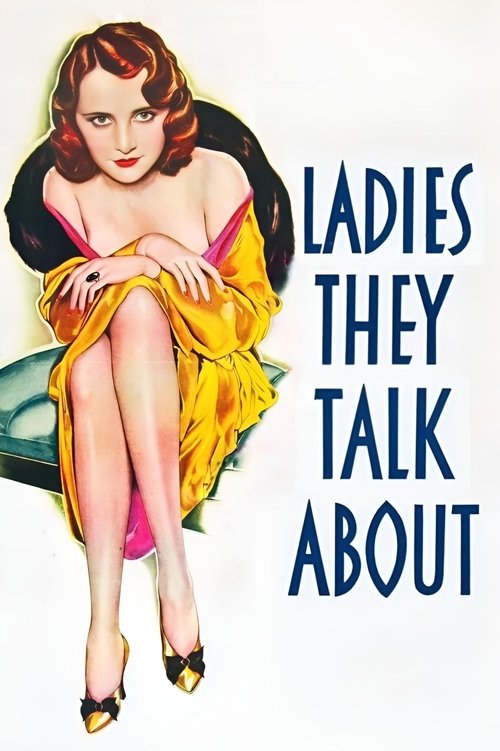
A moll, imprisoned after participating in a bank robbery, helps with a breakout plot.
Take a Chance was based on the hit Broadway musical of the same name, though only one of the original songs, Eadie Was a Lady, has been retained. The thinnish plot involves the misadventures of a pair of pickpockets, played on Broadway by Jack Haley and Sid Silvers and on film by James Dunn and Cliff “Ukelele Ike” Edwards.
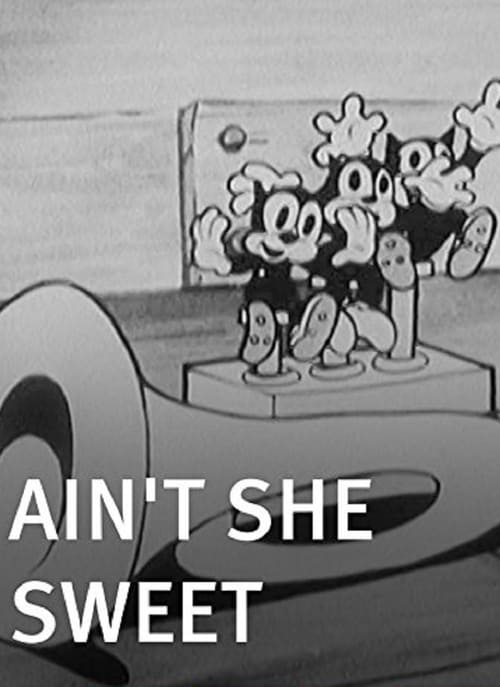
19th century song pluggers in vaudeville theaters and in the streets invited audiences to join in the chorus; this tradition of participation appeared in movie theaters by the mid-teens. When sound arrived, Fleischer Studios’ delightful “Screen Songs” added witty animated prologues and celebrity singers to prepare the audience for the ball that bounced through the lyrics.
Subscribe for exclusive insights on movies, TV shows, and games! Get top picks, fascinating facts, in-depth analysis, and more delivered straight to your inbox.