
Action
Adventure
Animation
Comedy
Crime
Documentary
Drama
Family
Fantasy
History
Horror
Music
Mystery
Romance
Science Fiction
Thriller
War
Western

From Wikipedia, the free encyclopedia Myrna Loy (August 2, 1905 – December 14, 1993) was an American actress. Trained as a dancer, she devoted herself fully to an acting career following a few minor roles in silent films. Originally typecast in exotic roles, often as a vamp or a woman of Asian descent, her career prospects improved following her portrayal of Nora Charles in The Thin Man (1934). H...
Not available
Enjoying the content? Support us!
Enjoying the content? Support us!
Explore all movies appearances
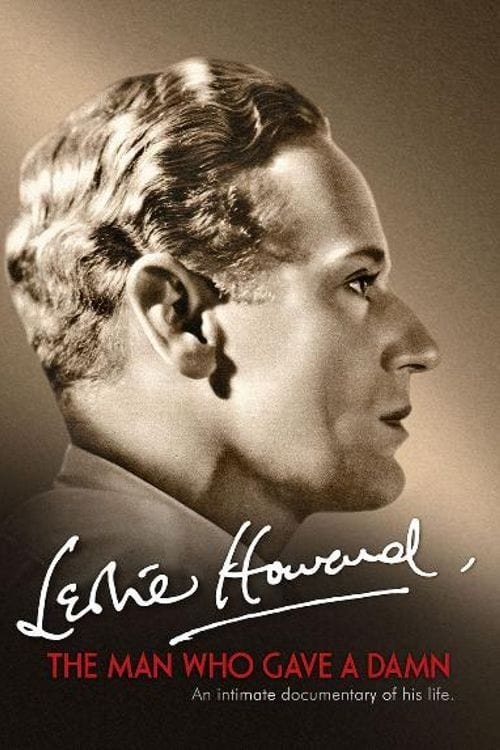
Documentary looking at the life and career of 1930s film star Leslie Howard. It features exclusive home movie footage, including footage from the Gone with the Wind set. The film includes extensive interviews with Howard's daughter, Leslie Ruth "Doodie" Howard, and contributions from friends and colleagues.
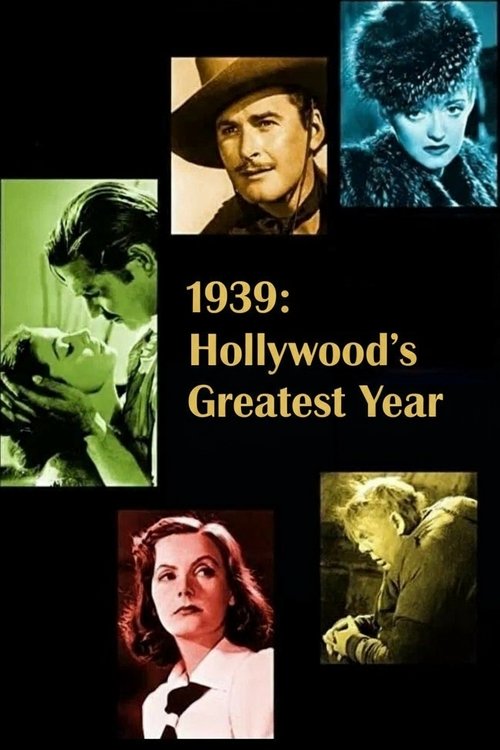
This documentary focuses on 1939, considered to be Hollywood's greatest year, with film clips and insight into what made the year so special.
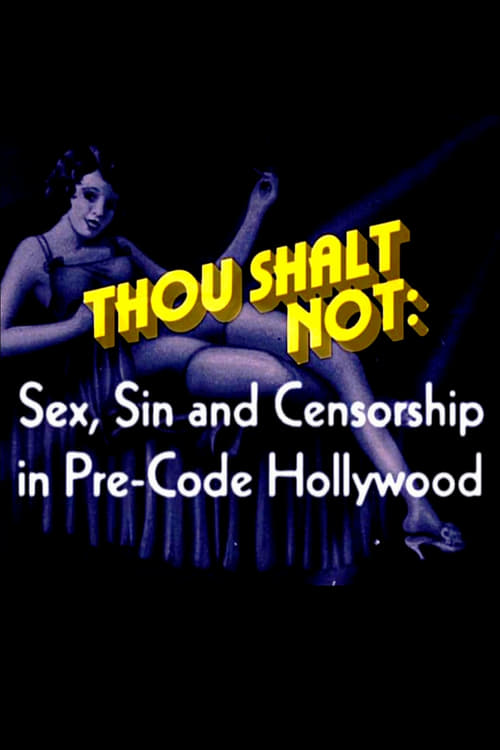
A look at the forces that shaped Pre-Code Hollywood and brought about the strict enforcement of the Hays Code in 1934.
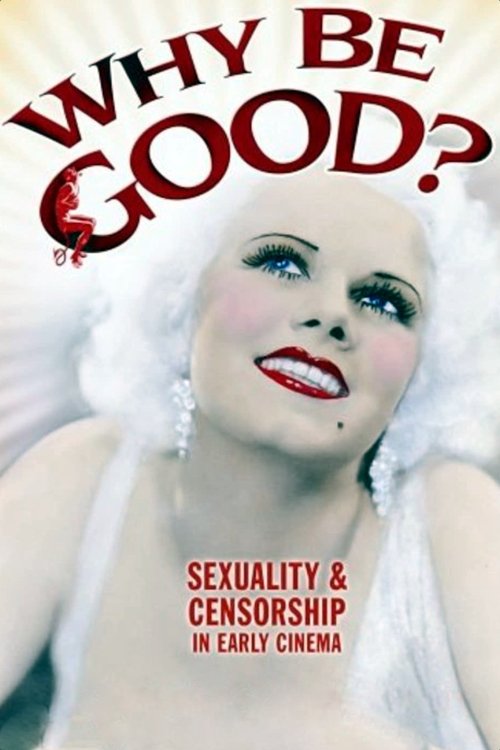
Before the G, PG and R ratings system there was the Production Code, and before that there was, well, nothing. This eye-opening documentary examines the rampant sexuality of early Hollywood through movie clips and reminiscences by stars of the era. Gloria Swanson, Mary Pickford, Marlene Dietrich and others relate tales of the artistic freedom that led to the draconian Production Code, which governed content from 1934 to 1968. Diane Lane narrates.
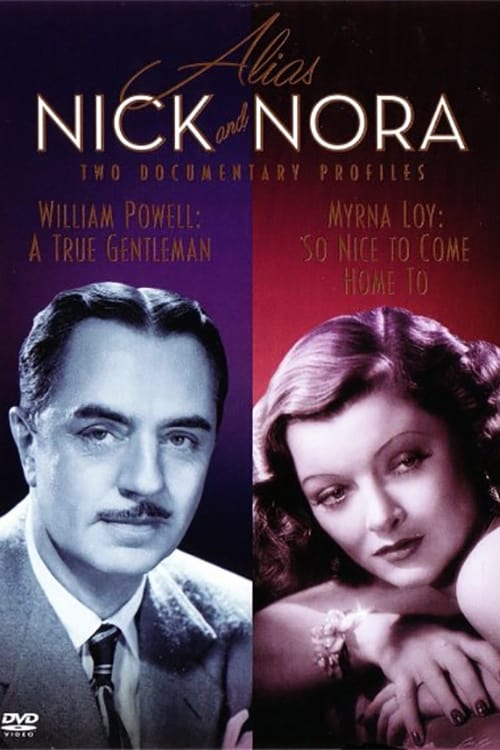
A biography on the life of William Powell narrated by Michael York.
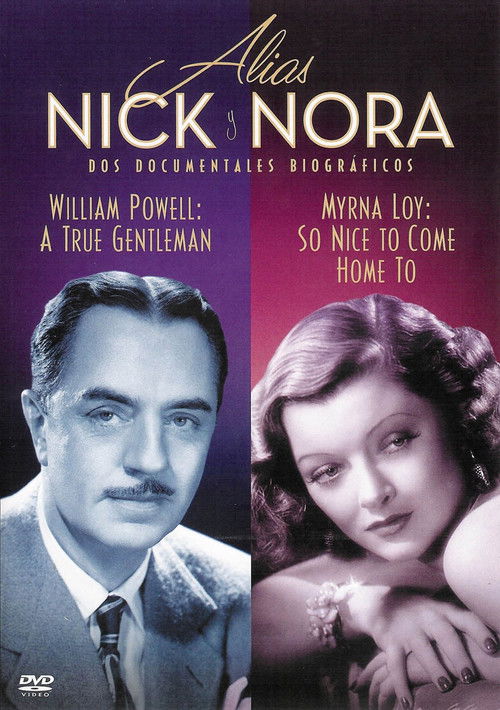
Alias Nick and Nora: Two Documentary Profiles (2005) celebrates the enduring screen partnership of William Powell and Myrna Loy, stars of MGM’s beloved Thin Man series. The DVD includes William Powell: A True Gentleman, a documentary narrated by Michael York with commentary from film historians Rudy Behlmer and Leonard Maltin, and Myrna Loy: So Nice to Come Home To, hosted by Kathleen Turner and directed by Richard Schickel. Together, the documentaries explore the careers, personalities, and lasting appeal of two classic Hollywood icons. Also included is “Darling, I Loathe You,” a 1958 episode of The Thin Man television series starring Peter Lawford and Phyllis Kirk as Nick and Nora Charles, plus the 1936 Lux Radio Theatre adaptation of The Thin Man, featuring William Powell and Myrna Loy reprising their signature roles. A welcome addition for classic-film fans, the disc presents Nick and Nora across documentary, television, and radio.

Looks at the stereotype-breaking films of the period from 1929, when movies entered the sound era, until 1934 when the Hays Code virtually neutered film content. No longer portrayed as virgins or vamps, the liberated female of the pre-code films had dimensions. Good girls had lovers and babies and held down jobs, while the bad girls were cast in a sympathetic light. And they did it all without apology.
Based on the first centenary of the largest exporter of films in the world, that is Hollywood, is the story told by its protagonists, actors and writers and other people who made life in this business, interspersing images of famous movies.

Some of MGM's musical stars review the studio's history of musicals. From The Hollywood Revue of 1929 to Brigadoon, from the first musical talkies to Gene Kelly in Singin' in the Rain.
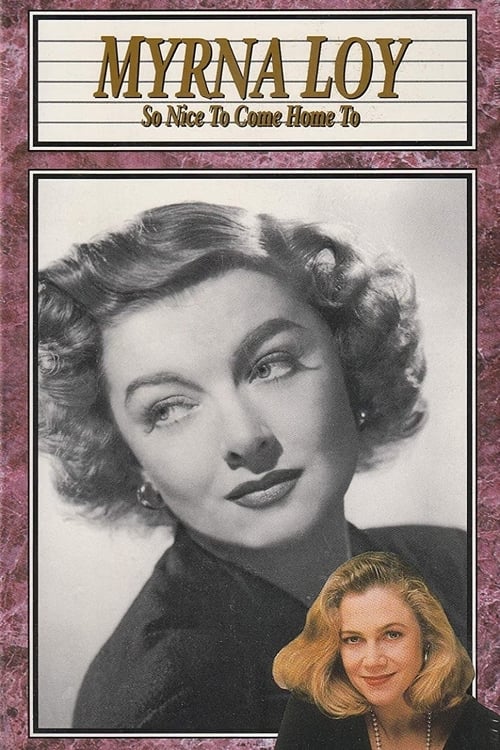
This tribute to Myrna Loy is organized chronologically with a few photographs, many film clips, a handful of personal appearances, and a detailed commentary delivered on camera by Kathleen Turner. Turner walks us through Loy's career as a dancer and an actress miscast as an exotic. She comes into her own as a grown-up women: shrewd, funny, decorous, and sexy - in "Manhattan Melodrama" and "The Thin Man." Her volunteer work during World War II, later stage work, and progressive politics come in for admiration as well. It's her style - seen best in her roles as a wife of charm and independence - that's captured and celebrated here.
Subscribe for exclusive insights on movies, TV shows, and games! Get top picks, fascinating facts, in-depth analysis, and more delivered straight to your inbox.