Action
Adventure
Animation
Comedy
Crime
Documentary
Drama
Family
Fantasy
History
Horror
Music
Mystery
Romance
Science Fiction
Thriller
War
Western
Explore all movies appearances
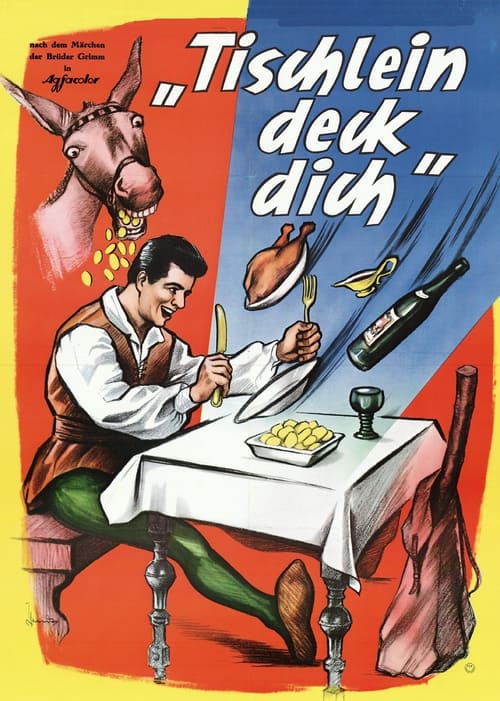
A tailor sends his sons away. They each learn a trade and receive a special gift from their teacher.

Spain 1936: Despite the victory of the Popular Front, nothing has changed for the peasants; the grandees continue to oppress them. The poor peasant son Pablo fights back and encourages the others to demand their rights. The grandees flee. Students from Madrid arrive and help the rural population to democratize. Pablo falls in love with Magdalena and learns to read and write from her. When Franco begins his bloody attack on the young republic, they defend the village together. When Magdalena dies in a bombing raid by German planes, Pablo begins to hate the Germans. However, fighting together with the International Brigades, he realizes that there are other Germans too, and that they share a common enemy.
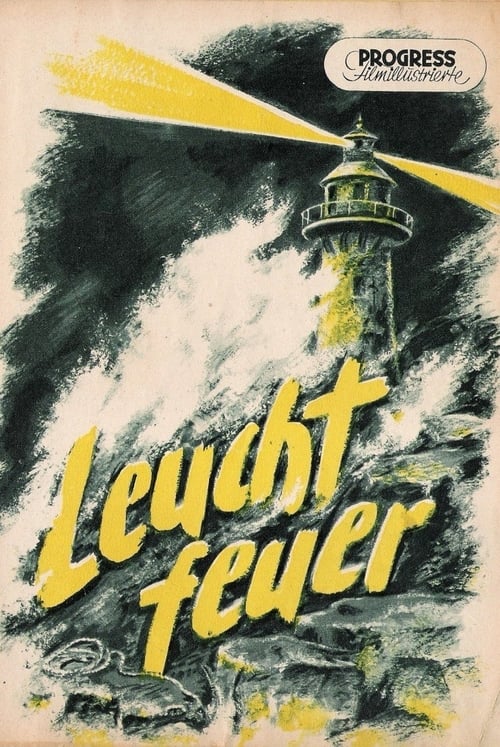
On a barren and stormy island, fishing families eke out a meager existence on what they can catch during summer, and what washes ashore during winter. But little has been washing ashore of late, and their situation worsens. Elders recall how twenty years ago, when the lighthouse keeper’s beacon went dark, a cargo ship broke apart on the cliffs. It proved a bountiful accident for the fishermen. Today people on the island view the conscientious lighthouse keepers with evil hungry eyes...
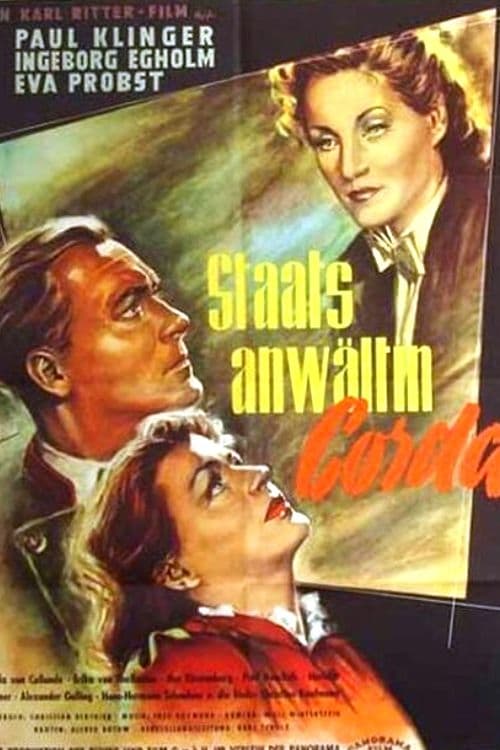
No plot available for this movie.
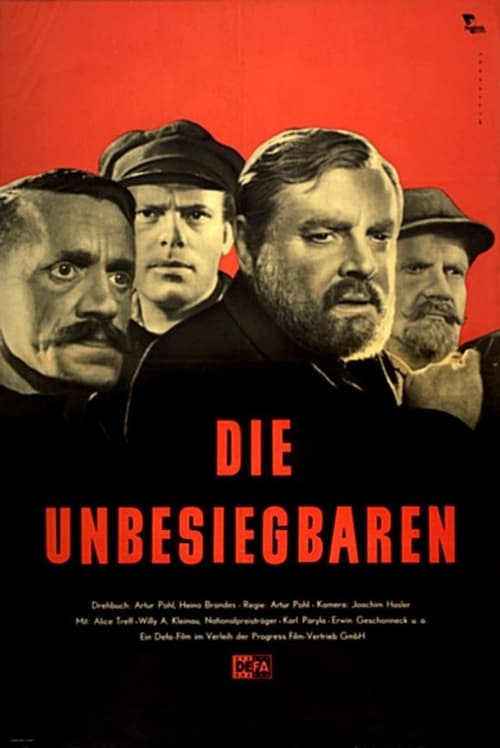
The film "Die Unbesiegbaren" covers an episode in German history, in which the Bismarck government tried to mitigate the rise of the social-democrat movement.
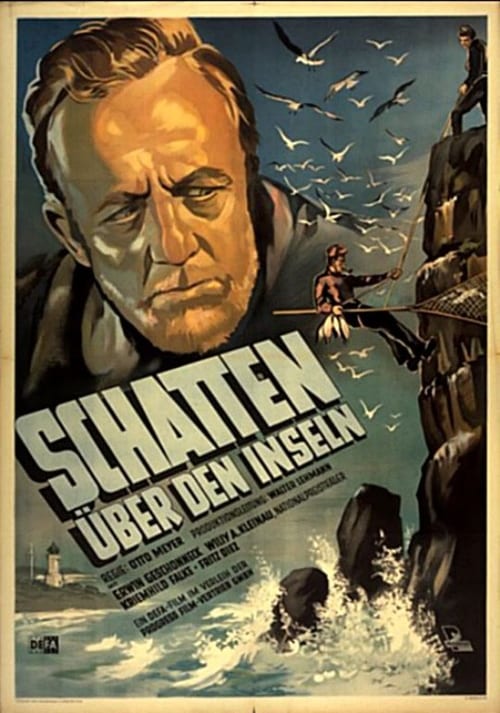
On the Faroe Islands, people eke out a meagre existence by catching birds. Merchant Brause pays them little and does a good business. This comes under threat when Dr. Sten Horn suspects that the dangerous annual plague, which kills dozens of inhabitants, is transmitted by birds. Brause forces the people to work anyway and conceals the telegram from the Copenhagen research institute that confirms Horn's suspicions. Horn, supported by his cousin Arne, enlightens the islanders and the greedy Brause can only flee.
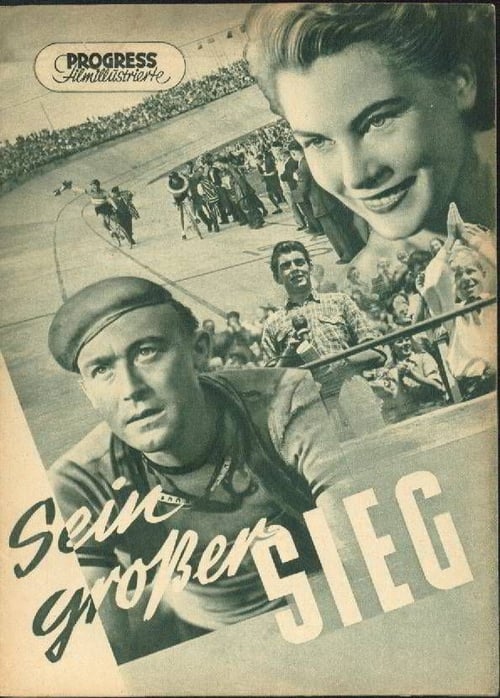
GDR and West Berlin in the 1950s. Hans Nettermann, a designer at the "Komet" bicycle factory, is a favorite of the BSG road riders. His dream is to one day ride in a stand-up race. A construction error throws him back in the road race. They work for a long time to fix it. Then he is persuaded to go to West Berlin to become a professional rider. Although he makes it to the top class, he also learns about the scams in professional sport. He marries Marianne, who has followed him and tries to persuade him to return to the GDR, which he eventually does. After some difficulties at work, he is nominated for the first amateur endurance race in the GDR and wins.
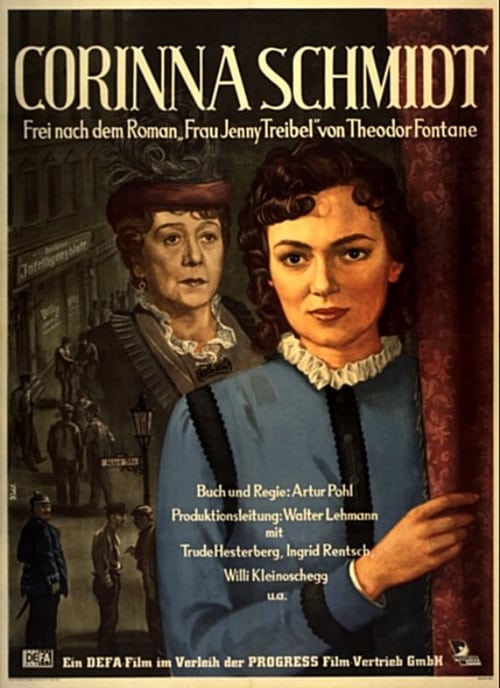
Berlin in 1878: Corinna Schmidt, who was brought up in a petit-bourgeois, academic family, is romantically interested in Leopold Treibel, the son of the lordly councillor of commerce Jenny Treibel – although Corinna is also deeply in love with her cousin Marcel. Leopold is also falling for cute Corinna, and Jenny Treibel tries to prevent their friendship by all means, but changes her opinion when their secret engagement becomes public. To avoid a scandal, she urges them to marry quickly. But Corinna soon withdraws from this complicated situation and again turns to her cousin, who is banished from the country for his social democratic beliefs.
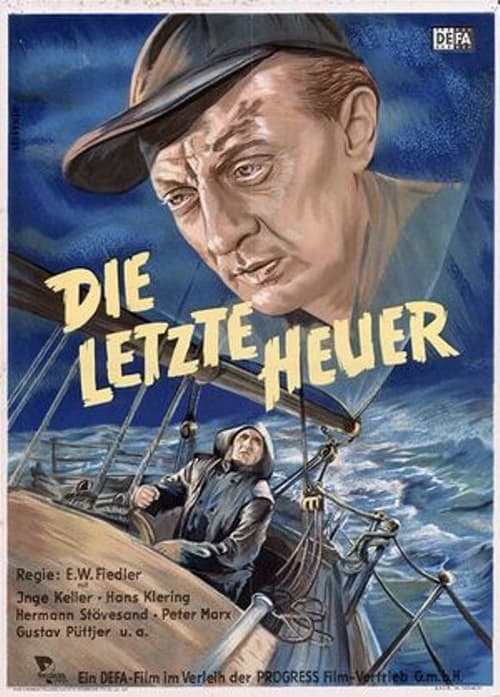
The ship stoker Heini Holler leaves Greece for health reasons and reports to the consulate of fascist Germany. The consul sends him back to Hamburg. He had previously reported him to the Gestapo there as politically suspicious. On his arrival, Holler is immediately arrested. His comrades kidnap the consul and demand an exchange for Heini, which is to take place in Marseille. The Gestapo agree to this as a pretense and secure the support of the French police to arrest the kidnappers. However, the solidarity of the sailors in Marseille is stronger and Heini is able to cure his lung disease in the Soviet Union.
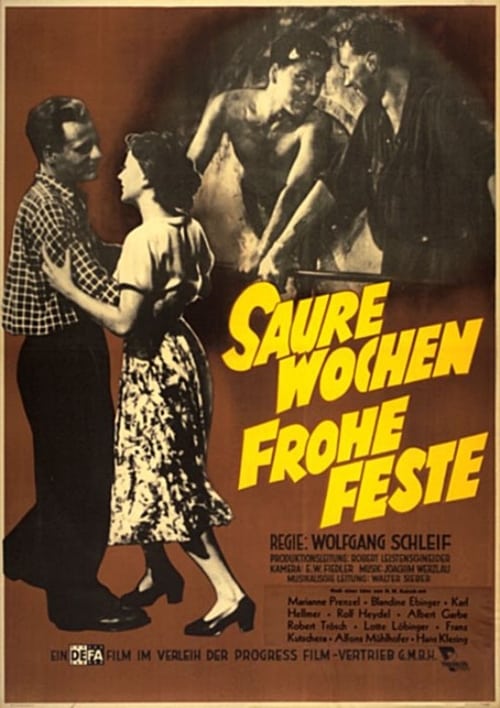
A theater competition breaks out on the occasion of the four-year anniversary celebrations at the Hennigsberg power plant. The old hands want to perform the kitschy musical comedy "Gärtnerliesl". The youngsters are against it and are planning their own program with which they want to skewer events from the plant in a cabaret style. But first, everyone has to work together on a turbine breakdown. On the day of the festival, the "Gärtnerliesl" fails with timpani and trumpets, while the youth's program is met with great applause, which the rivals join in with.
Subscribe for exclusive insights on movies, TV shows, and games! Get top picks, fascinating facts, in-depth analysis, and more delivered straight to your inbox.