
Action
Adventure
Animation
Comedy
Crime
Documentary
Drama
Family
Fantasy
History
Horror
Music
Mystery
Romance
Science Fiction
Thriller
War
Western
Explore all movies appearances
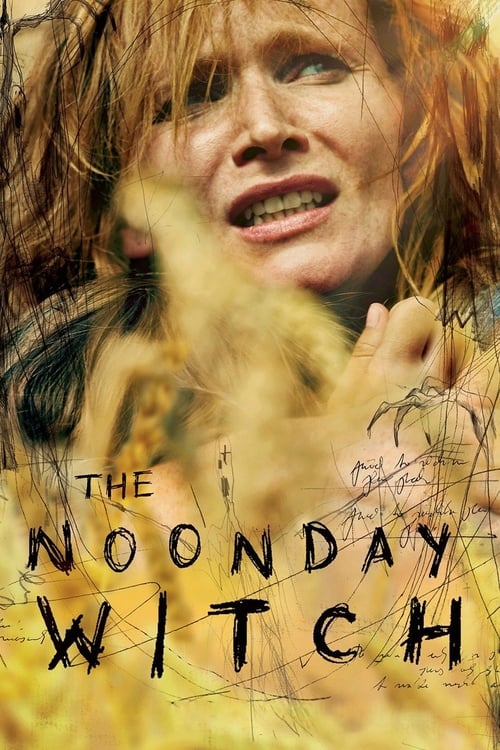
A story of Eliska and her daughter, starting a new life in a remote house with the 'father away on business', as the mother claims. After the lie is disclosed, their relationship begins to wither. At that time, the mythical Noonday Witch begins to materialize. She is coming closer and closer and the question is poised: is the danger real or is it all in the mother's crumbling head?
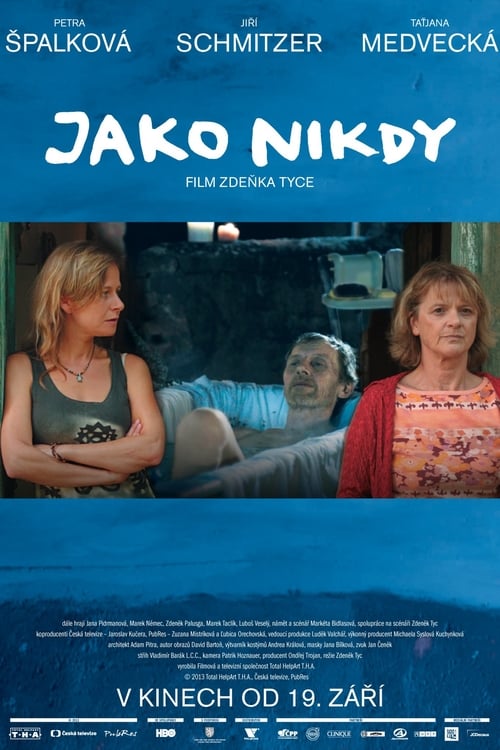
The end of summer in the film also means the end of life. Vladimír Holas dies. Who is Vladimír Holas? Painter, sculptor and teacher of district importance. He painted many beautiful pictures - but not as great as he wished. He wasn't in the party, he wasn't in the Union of Artists, he didn't sell out to the past regime. The house in the beautiful countryside is his last refuge, death is inevitable and he doesn't want to die in an estranged hospital. He wants to crouch standing up, the way he lived.
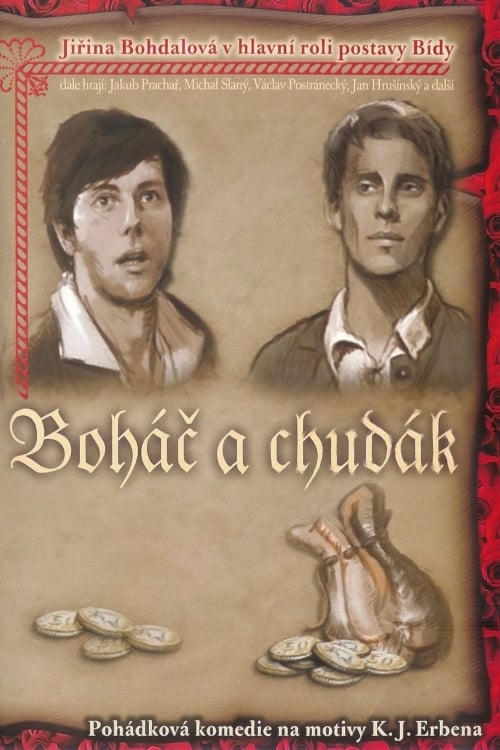
Erben's original text, which did not exceed half a page in length, served Zelenka only as a source of inspiration to write a plot-rich story about two brothers, one of whom lives in luxury because Luck helped him to wealth, and the other lives in absolute poverty because he loves him Poverty, and she, out of love for him, doesn't want to allow him to get rich and let his life be complicated by worrying about possessions. However, not only the struggle with poverty and the arrogance that comes from owning a large property are the main motives of this charming comedy, which is intended for children of all ages. The desire for love and the search for happiness in life plays an important role in this sometimes very exciting story, and an equally important motive here is the motive of forgiveness of guilt in the name of more permanent values, among which in this case the relationship of two brothers can be included.

Every castle hides some secret. This is no different in the fairy tale Treasure at Owl Castle. Deep underground at Owl Castle lies a treasure guarded by a golden owl. The treasure has remained hidden from the human world for centuries. Only the fairy-tale gnomes Kilián and Damián and their friend Emilka the owl knew of its existence. And if these gnomes had not happened to meet the children Honzík and Andělka, the treasure would have remained hidden forever. But gnomes are talkative creatures, and children are very curious. So it wasn't long before the stingy and greedy duchess from the nearby castle found out about the treasure. The wealth left to her by the duke wasn't enough for her; she wanted more and more. So she decided to get the golden treasure at any cost. This put not only herself but also the children in dangerous situations.
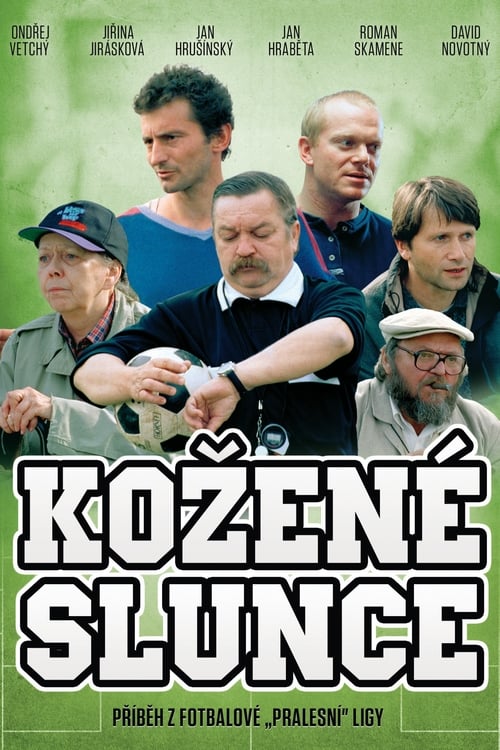
As the name suggests, the movie is about football. It is not about big league soccer, making huge money. It is about football, which lives just from village fans enthusiasm, from the enthusiasm of fathers and their sons and club officials. And yet on this battlefield, where the pub and silent household alternates, it is often about everything: friends, family, the meaning of life. It is about playing fair, but also about fighting below the belt. It is about winning, but also about falling into the abyss of the league wilderness.
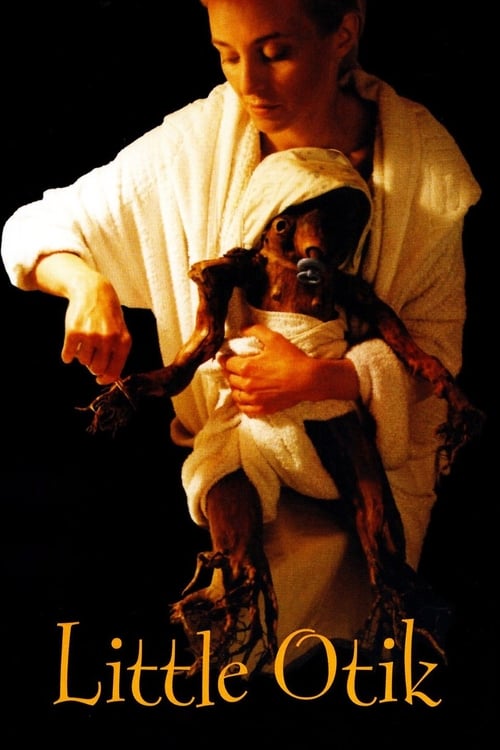
When a childless couple learn that they cannot have children, it causes great distress. To ease his wife's pain, the man finds a piece of root in the backyard and chops it and varnishes it into the shape of a child. However the woman takes the root as her baby and starts to pretend that it is real.
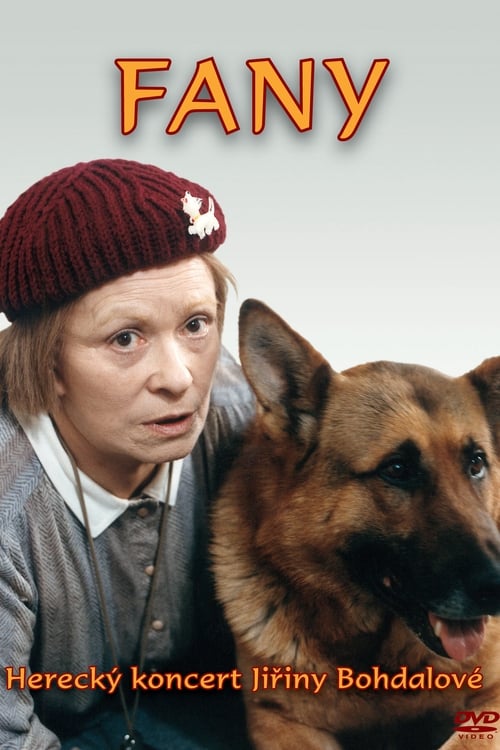
Oligophrenic Fany (Bohdalová) lives with her aunt who suddenly manages to travel abroad. Fany has to move to her sister (Jirásková). Two very different women, one mentally disabled and the second one intelligent doctor has to live together and learn from each other about tolerance, loneliness, life and why call dogs "Mister".
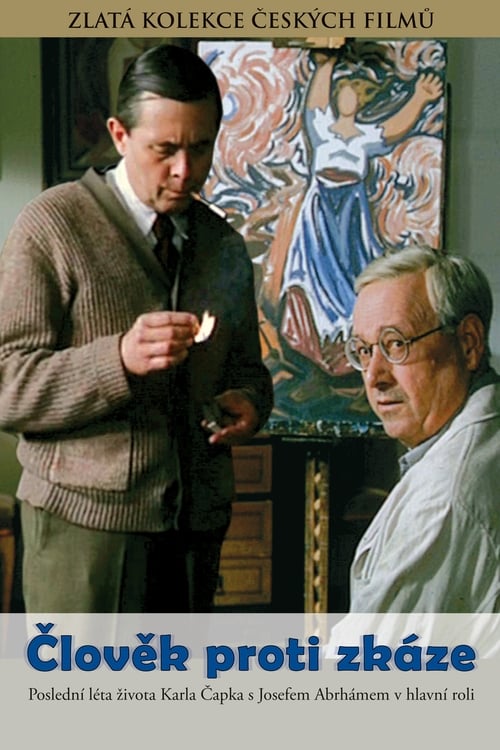
Biography of Karel Čapek.
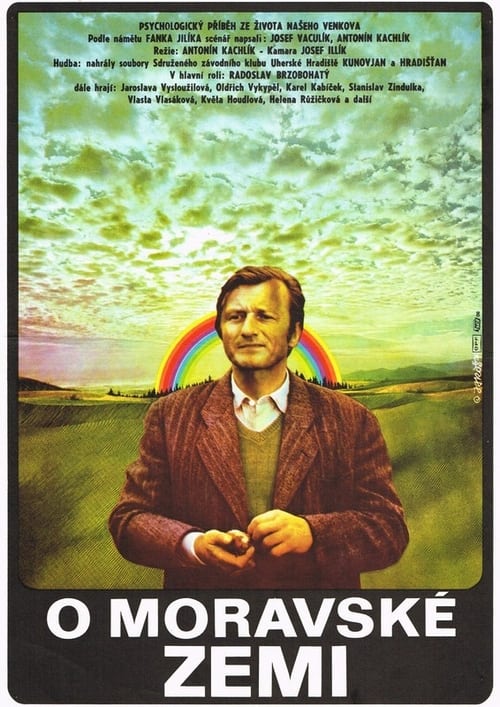
The reason for making this film is clear: it was to cover up Vojtěch Jasný's famous chronicle "All the Good Natives", an account of the tragic consequences of forced collectivisation. The pro-regime director Antonín Kachlík also focuses on the socialisation of the Moravian village, accompanied by mistakes and coercion, but in his optimistic view he emphasises the hopeful prospects leading to a happy future. Although the united village lands were born in pain, they will serve for the benefit of all the working people... As with Jasný, Radek Brzobohatý embodies the stubborn peasant, who is only slowly acknowledging the benefits of communal farming. However, unlike the poetic exuberance and pithiness of Jasný's chronicle, here we encounter a vicious posturing.
Subscribe for exclusive insights on movies, TV shows, and games! Get top picks, fascinating facts, in-depth analysis, and more delivered straight to your inbox.