
Action
Adventure
Animation
Comedy
Crime
Documentary
Drama
Family
Fantasy
History
Horror
Music
Mystery
Romance
Science Fiction
Thriller
War
Western
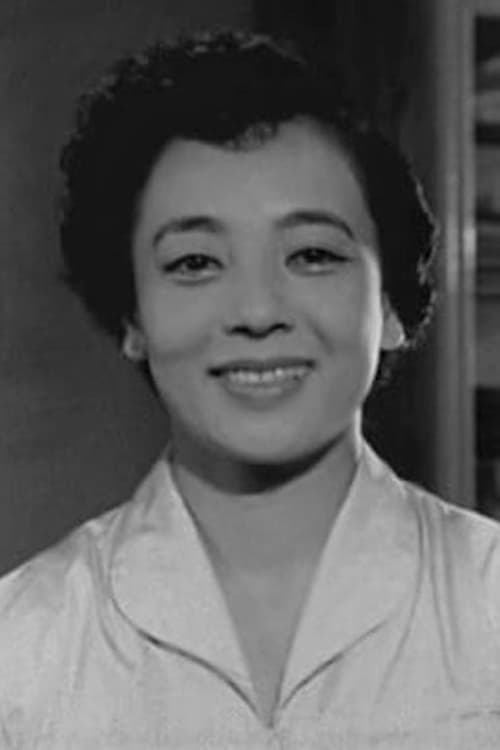
Kuniko Miyake (三宅邦子, September 17, 1916 – November 4, 1992) was a legendary Japanese actress. She was a prominent member of director Yasujirō Ozu's recurring ensemble cast, frequently portraying compassionate mothers, wives, and family figures. Her notable filmography includes timeless cinema classics such as "Late Spring" (1949), "Early Summer" (1951), "Tokyo Story" (1953), and "An Autumn Afterno...
Not available
Enjoying the content? Support us!
Enjoying the content? Support us!
Explore all movies appearances
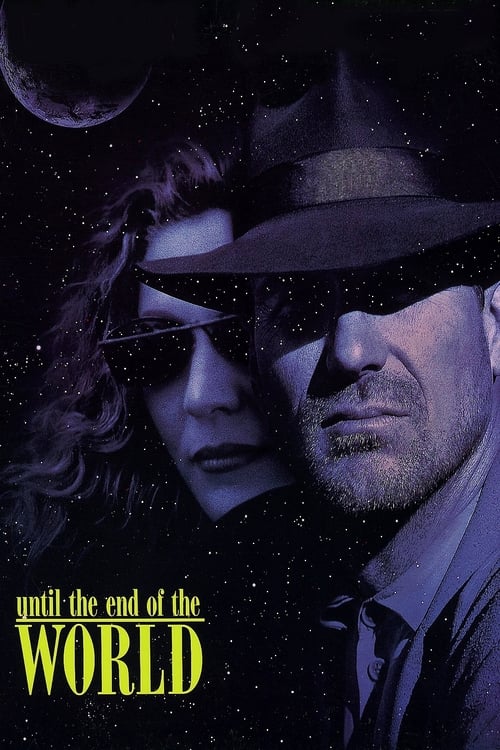
In 1999, a woman's life is forever changed after she survives a car crash with two bank robbers, who enlist her help to take the money to a drop in Paris. On the way, she runs into another fugitive from the law — an American doctor on the run from the CIA. They want to confiscate his father's invention – a device which allows anyone to record their dreams and visions.
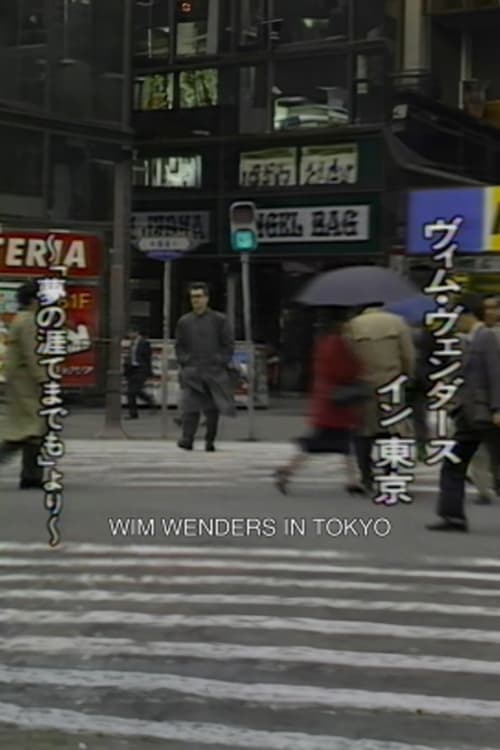
A documentary which follows director Wim Wenders and Sean Naughton, the high-definition-video designer on UNTIL THE END OF THE WORLD, in Tokyo, and details the creation of the film’s groundbreaking high-definition sequences.
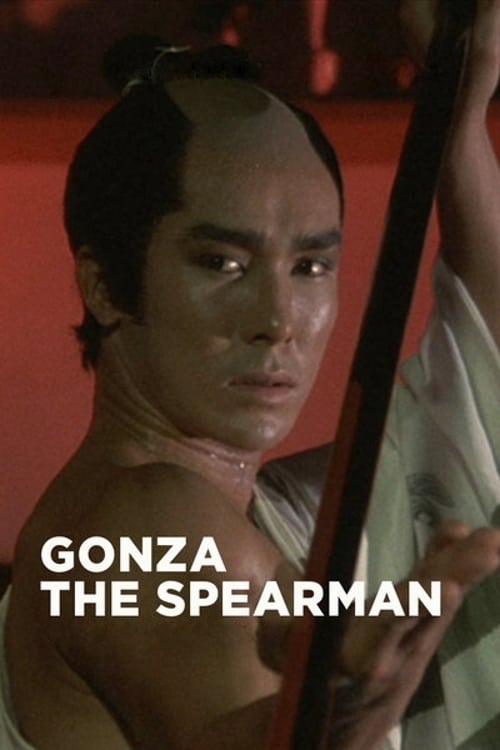
During the peaceful Tokugawa period, handsome samurai Gonza becomes entangled in a tragic love triangle and a web of deceit while trying to advance his social standing through the tea ceremony.
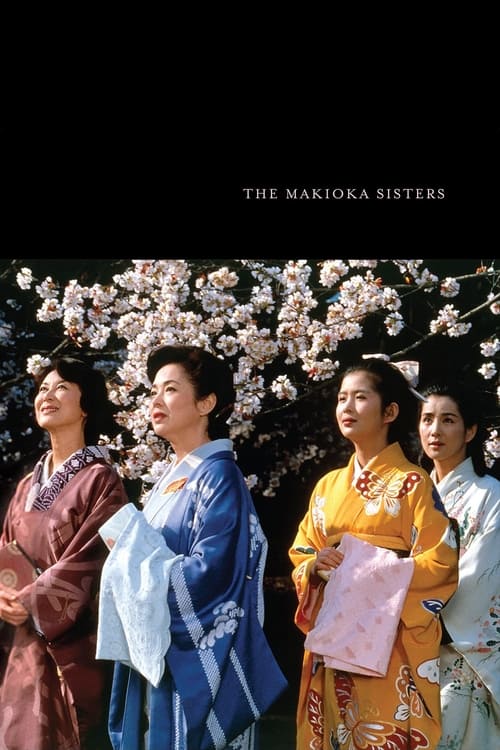
This sensuously beautiful film chronicles the activities of four sisters who gather in Kyoto every year to view the cherry blossoms. It paints a vivid portrait of the pre-war lifestyle of the wealthy Makioka family from Osaka, and draws a parallel between their activities and the seasonal variations in Japan.

Chogoro, the young master of a rice shop who receives sword lessons from Tetsusaburo Yamaoka, travels to the lawless Kanbei Onigawara family from Shimizu. All hell breaks loose when Kanbei returns with his older brother, Kitsu An Takei, and Katsuzo challenges Chogoro.
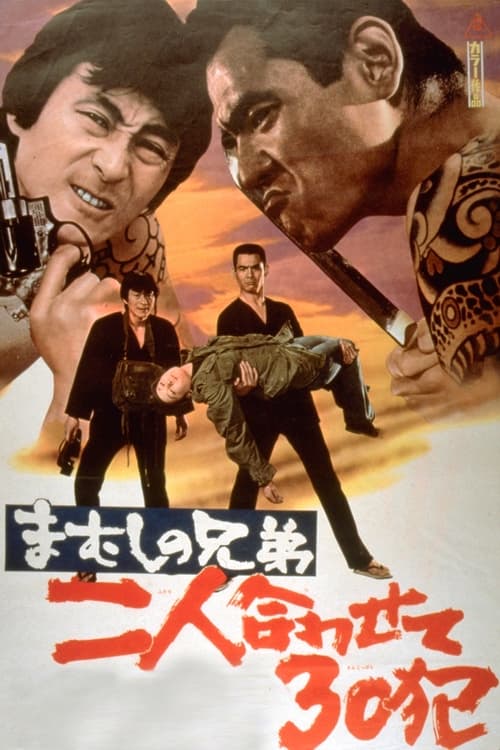
Part 7 in a long running (8+1 films) action/comedy/melodrama series about a pair of short tempered, amoral, but not evil chinpira (Bunta Sugawara and Tamio Kawachi) thinking too big of themselves. Katsuji finds his long lost mother, who is a rich lady of a respectable family. Comedy and melodrama ensue. A thrilling spectacle with an overly violent ending, and a remarkable, Japan's only post-prison rape comedy, Masa is determined to have sex with the female guard, despite the fact that there is a bar between them. Michi Azuma (topless swordswoman from Lone Wolf and Cub: Baby Cart in Peril) plays a tomboy who wants to join her brothers.
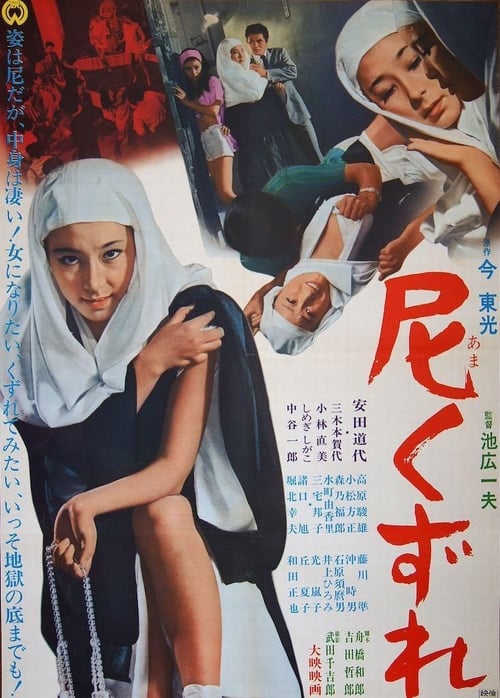
One of the nuns at Senjuan is Sister Shunko (Michiyo Yasuda). Unlike the usual nun, however, she often goes out to see the world, being of the opinion that nuns should not lead cloistered lives but should see something of modern life. She makes the acquaintance of a young girl named lkuko (Kayo Mikimoto) and saves her from the advances of a gangster named Goro (lchiro Nakatani). In the meantime she turns down several propositions and, in revenge, one of her admirers denounces her to the Mother Superior (Kuniko Miyake). This lady is of liberal views, however, and refuses to do anything about it. Then Shunko is visited by Goro's gang boss who wants lkuko back and says he will blackmail Shunko unless she agrees.
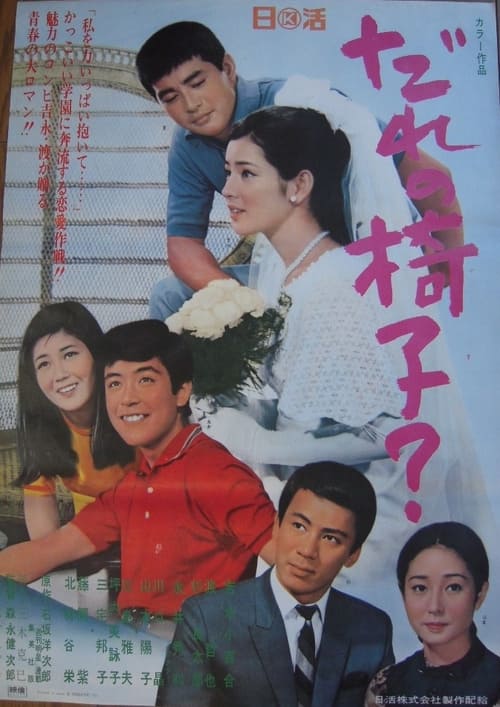
In a high school, two men are fighting over a beautiful female teacher who has been assigned as an English teacher.
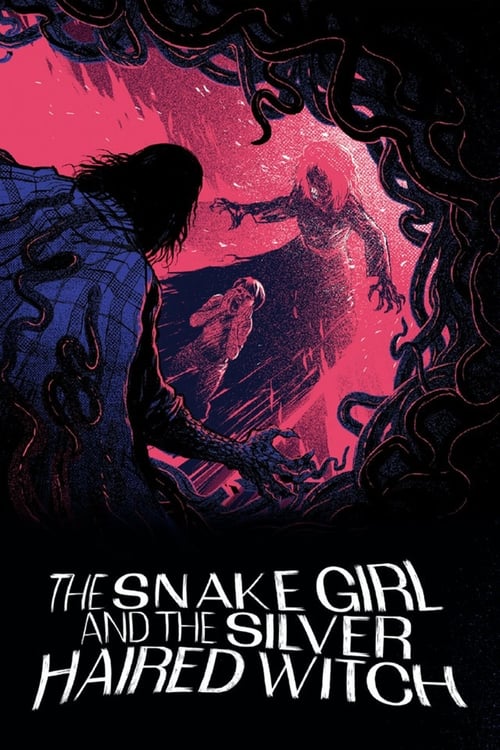
Up until this point, young Sayuri Nanjo has had to live most of her life in a nun-run boarding school for orphans and away from her parents. That's all about to change when her real father mysteriously comes to get her and finally bring her home.
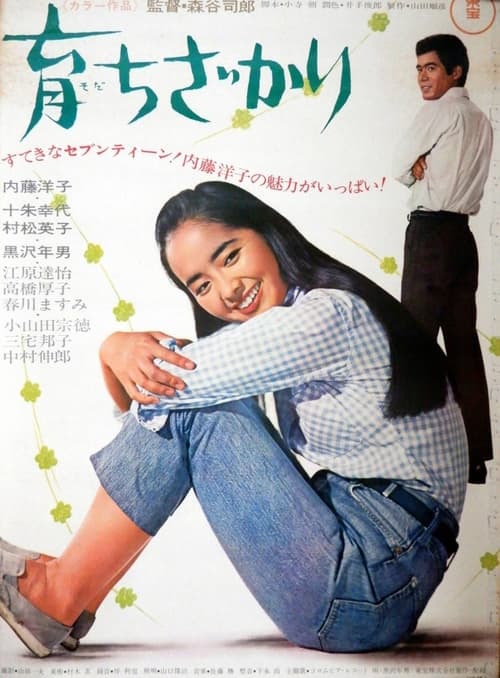
Japanese movie released on September 30 , 1967 . Produced and distributed by Toho . Color , Toho scope . Running time is 88 minutes.
Subscribe for exclusive insights on movies, TV shows, and games! Get top picks, fascinating facts, in-depth analysis, and more delivered straight to your inbox.