
Action
Adventure
Animation
Comedy
Crime
Documentary
Drama
Family
Fantasy
History
Horror
Music
Mystery
Romance
Science Fiction
Thriller
War
Western
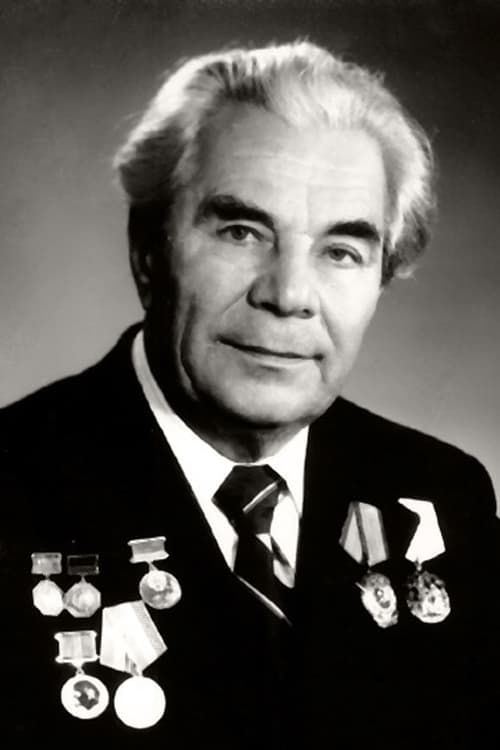
Ivan Yosypovych Tverdokhlib was a Ukrainian Soviet actor. Honored Artist of the Ukrainian SSR (1954). People's Artist of the Ukrainian SSR (1960).
Explore all movies appearances
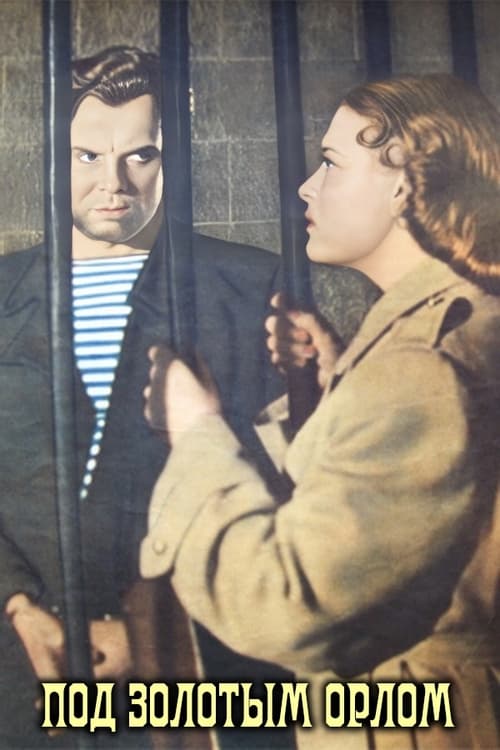
In one of the small towns of West Germany there is a camp for displaced persons, where hundreds of Soviet people languish. An underground group, led by Sevastopol sailor Andrei Makarov, operates in the camp. The Americans manage to intercept the first list of people who want to return to the Soviet Union. Major Peterson, with the help of Belin and Tsupovych, tries to recruit Soviet people to work in Brazil. But a second list for repatriation has already been drawn up. Peterson arrests Andrei Makarov. The Americans accuse him of the murder of Anna Robchuk, who actually died at the hands of Belin. The underground, with the help of German anti-fascists, manages to get the list to the Soviet mission. Soon a ship with Soviet people who have returned to their native land approaches the pier of the Odesa port.
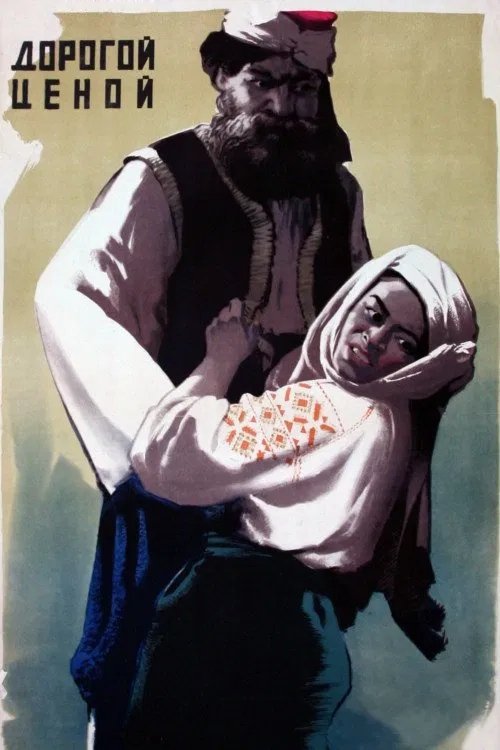
An adaptation of a story by a Ukrainian writer Mykhailo Kotsiubynsky that anticipates the Ukrainian "poetic cinema" of the '60s in its focus on star-crossed lovers and its celebration of nature. Set in the 1830s, the film follows two lovers on the run - a girl forced into marriage and her boyfriend, a serf who's being sought by the authorities - as they try to make their way to freedom.
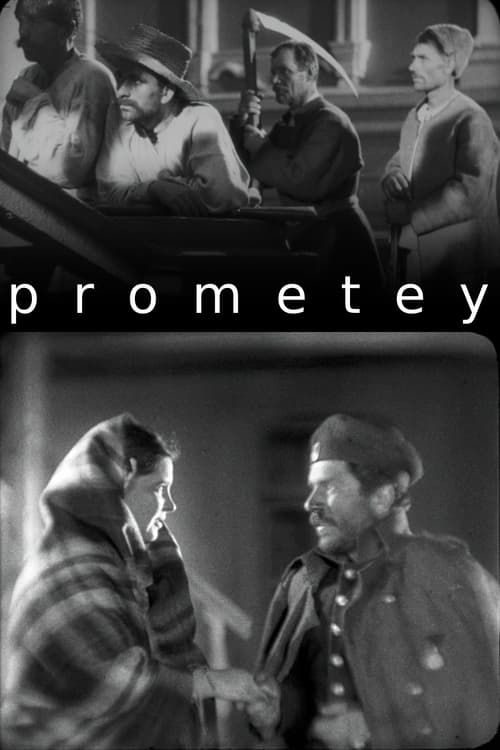
The life was cruel with Ivas. The landlord sent him at war, and his girlfriend – in the house of ill fame. In the troops an ordinary peasant gets acquainted with an ideological revolutionary and becomes inspired with the feeling of inequity to the existing social structure. And when the time comes to return to the native village, he will make the sir pays by his blood for all wrong-doings against the peasants. A film based on works and biography of the Ukrainian poet Taras Shevchenko (1814 - 1861).
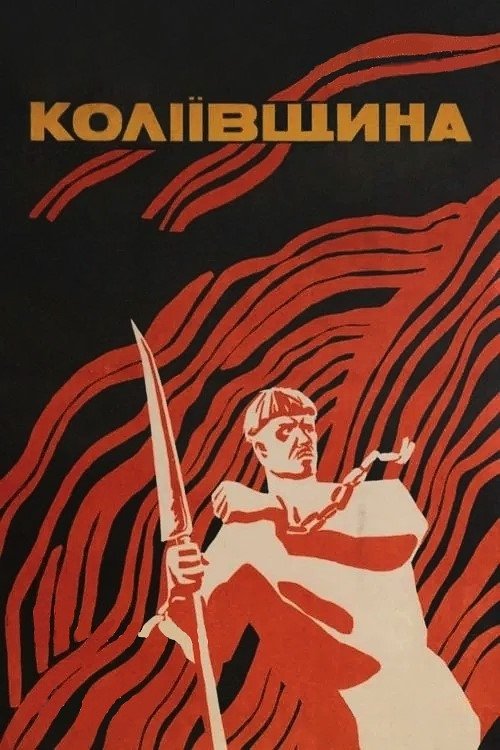
The film attempts to display an episode of the liberation movement in Ukraine - the uprising of Kolievs (serfs, artisans and fishermen) against the tyranny of the feudal lords and the Polish nobility, which ended with a brutal massacre performed by a Russian punitive expedition in 1768.
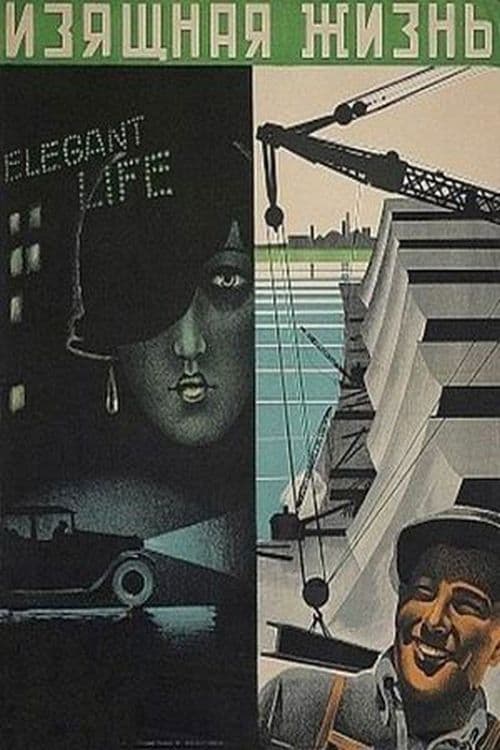
Fred, a young British sailor who accidentually finds himself in the USSR and after a number of comic adventures he, attracted by Soviet youth enthusiazm, goes to take part in Dneprostroy (building of Dnepr power station).
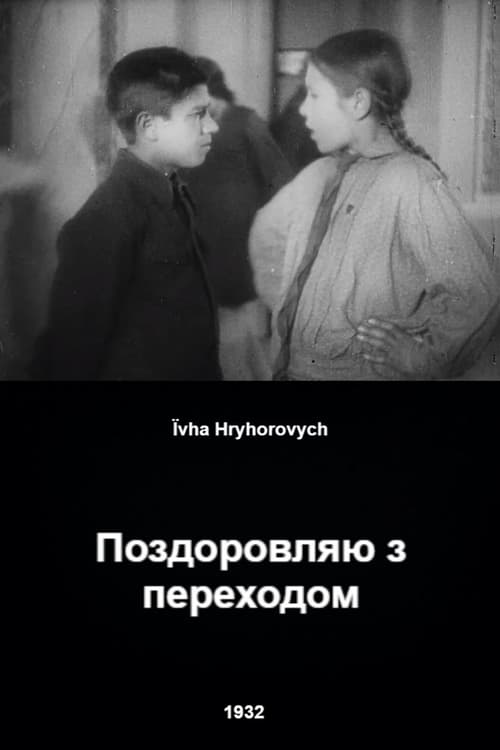
A group of 6th grade school children master their everyday lives. Van'ka has inventive talent, but he can't cope in class. His loyal friend Aleša tries to protect him. The curious and ambitious Katja thinks Van'ka is lazy, but she also has some problems at school due to her great commitment to the pioneer group, of which all three of them are members. Will Van’ka and Katja successfully complete the school year or have to repeat the 6th grade?
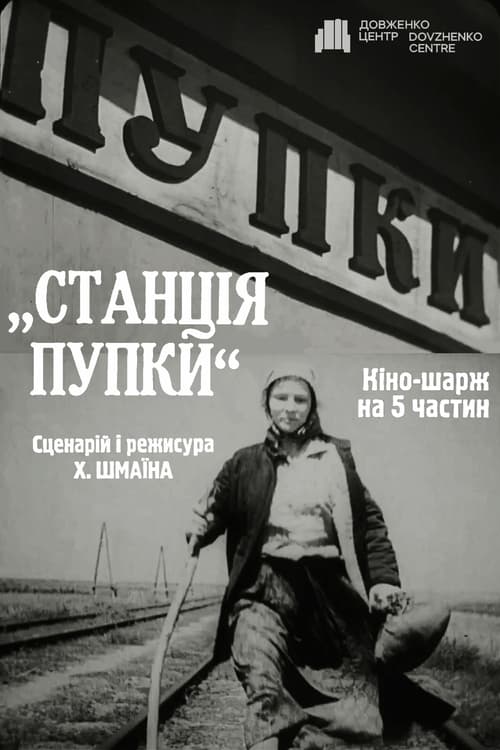
At the "Pupky" station, an opportunity occurs: two illegal passengers - guinea pigs - have to be disembarked from one of the trains, since animals cannot be transported in a general carriage. The head of the station Pryvychkin tries to help the animals, but the situation is beyond his control. The audit committee sets out to investigate the unpleasant incident... This witty satirical comedy, in which bureaucracy, bourgeoisie and provincialism are mocked, continued the development of the domestic comedy genre in Ukrainian Soviet cinema.
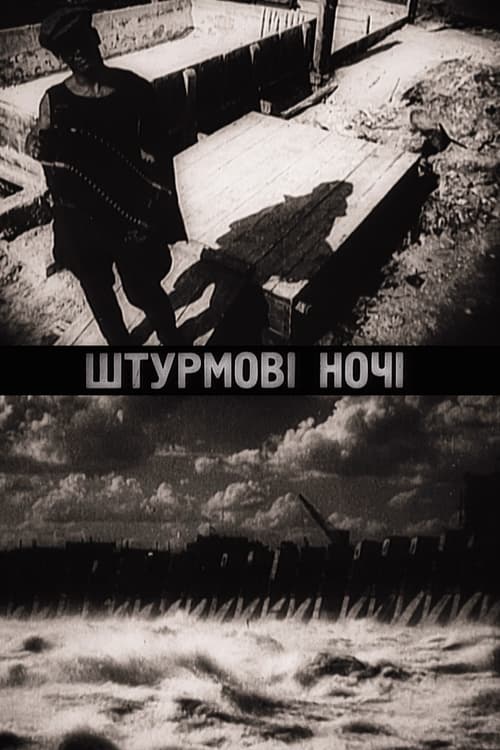
A peasant visits the DneproGES construction. Agitprop film about industrialisation and Dnieper Hydroelectric Station construction.
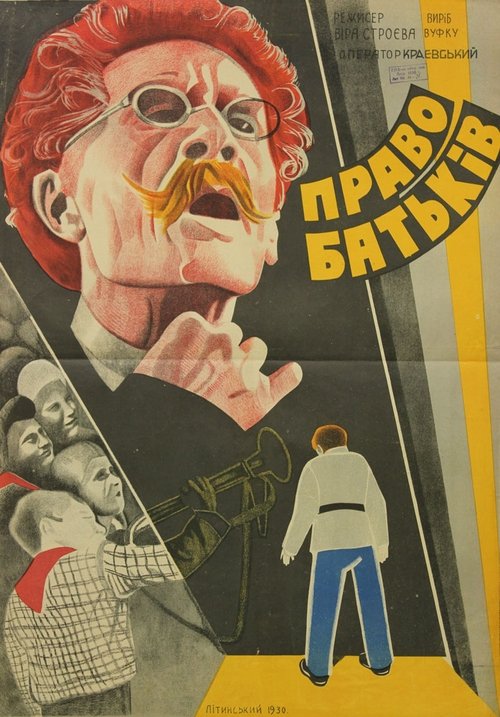
The clockmaker practices what is known as \"parental rights\" – he mercilessly beats his son Boris for every misdemeanor. The boy grows up intimidated, angry, trusting no one, and befriending no one. One day, while the students at the polytechnic school where Boris studies are busy with a physical education class, he deliberately destroys a model that the students have worked so hard to build. The teacher prevents a cruel punishment of the culprit. The school community takes on the responsibility of re-educating Boris. Considered lost.
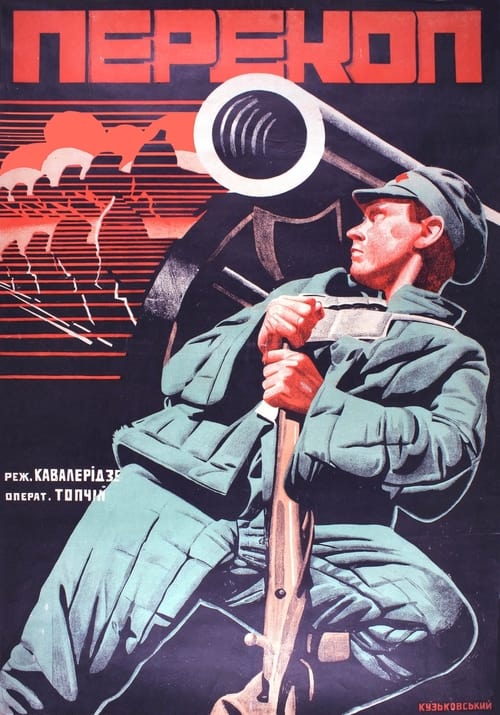
This revolutionary epic likens the push for industrialization of Soviet Ukraine with the battle for Perekop during the Civil War. A missing plow blade is presented as a symbol of the country's backward peasant economy that needs to be transformed in the course of the industrial construction. In an onslaught of rapidly changing images, Ukrainian village with its peasants suspicious of everything new, dramatically collides with the frenzy of working factories, plants, and mines.
Subscribe for exclusive insights on movies, TV shows, and games! Get top picks, fascinating facts, in-depth analysis, and more delivered straight to your inbox.