
Action
Adventure
Animation
Comedy
Crime
Documentary
Drama
Family
Fantasy
History
Horror
Music
Mystery
Romance
Science Fiction
Thriller
War
Western
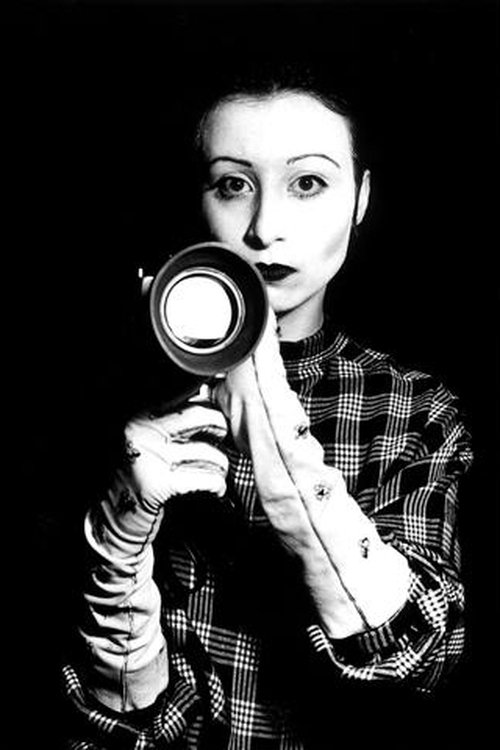
Katerina Thomadaki, born in Athens, Greece, has studied literature and philosophy at the University of Athens, theater theory at the University Paris III, Sorbonne, philosophy of art at the University Paris I, Sorbonne, computer graphics at the National School of Decorative Arts, Paris. She teaches media art at the University Paris I, Sorbonne.
Explore all movies appearances
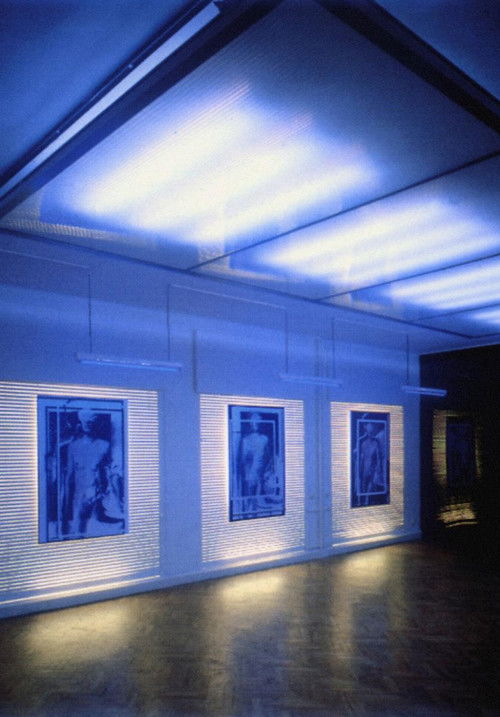
Video of the installation "XYXX Mosaic Identity" (Offenes Kulturhaus - Linz, 1994).
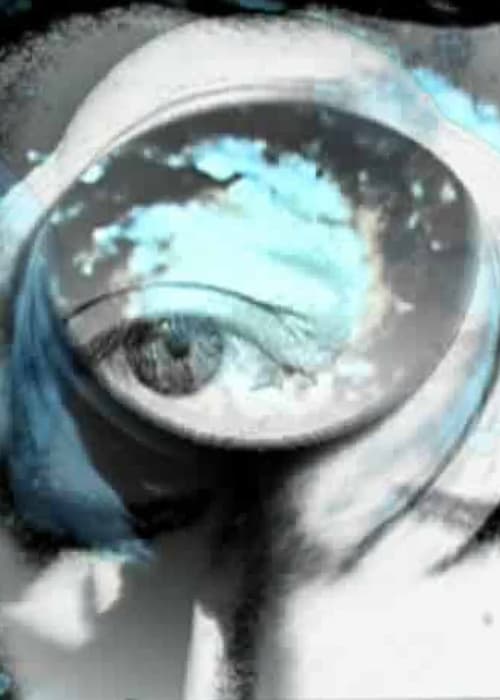
The macrocosm present in QUASAR is a non colonized outer space. A non science-fictionalized outer space. It is a space of fantasized stars and galaxies, black holes and light particles. It is a space of hypnotic contemplation and dissociation of the subject from the self. Immersion into macrocosmic vibrations, rotations, contractions, into slow and curved time patterns. Non linear, non climactic time. Outer-inner skies.
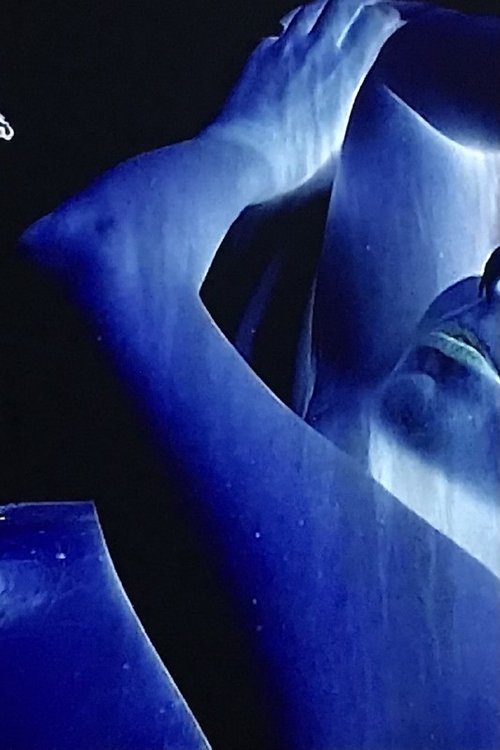
Portrait of Katerina in a hotel room by the sea. Her sunglasses reflect her body and Maria’ s camera in the mirror, thus revealing, albeit in a fragment, the relational principle of their cinema and of their double self-portraits. A constellation of stars crosses her skin. Everything is as blue as the sea and the universe. In this metamorphic alchemy, microcosm and macrocosm intertwine.

“Personal Statement” stages photographical treatments of the original medical document. The images unfold vertically while feminine hands (Katerina Thomadaki) try to stroke this mutant body. The off-screen voice (Maria Klonaris) talks to the photographed subject.
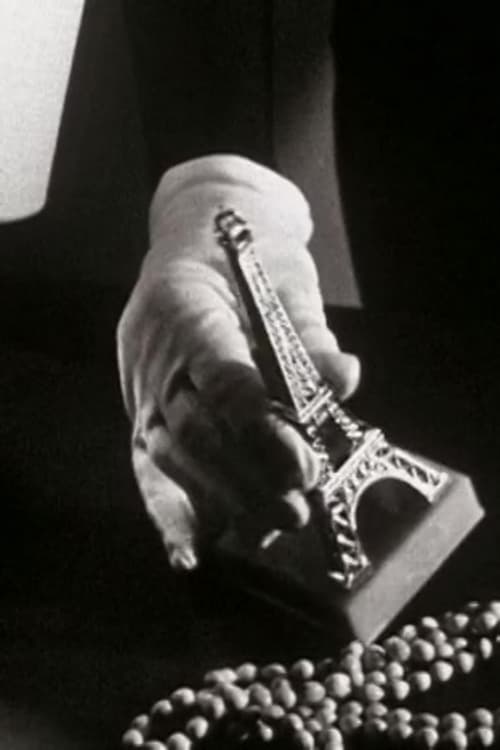
Professor Anatole Lacoste is having a meeting with one of the agents of doctor Brain at a Jackson Pollock exhibition at Centre Pompidou. Meanwhile, Deborah is about to take a bath when burglar Torlim Novak breaks into her house. Everything seems to be normal when the computer at the control station spots an anomaly in the way history functions. But how does one stop the film?
No plot available for this movie.
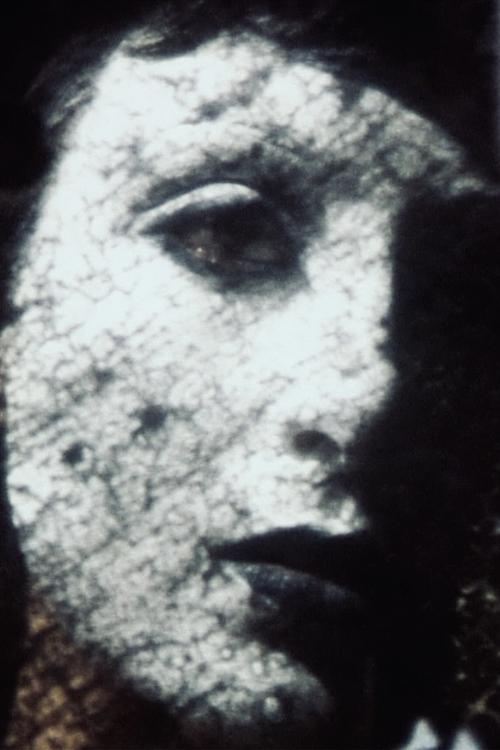
After five years of intense work on identity, an alchemical quest for the depths, after nine films and films / actions where the actresses' gestures resounded against a black background which eliminated the environment to reveal the inside, taken outside: encounter of the inside with the outside. Journey back into memory. Crossing the Greek landscape in August. The seas. The ruins, remains of abandoned houses, homes with holes, pierced by the wind, inside crossed by the outside. Unheimlich: the disturbing strangeness. Activation of a memory of origins. Unheimlich: what should remain secret, hidden and which manifests itself. MHTRIS = mother's country.
No plot available for this movie.
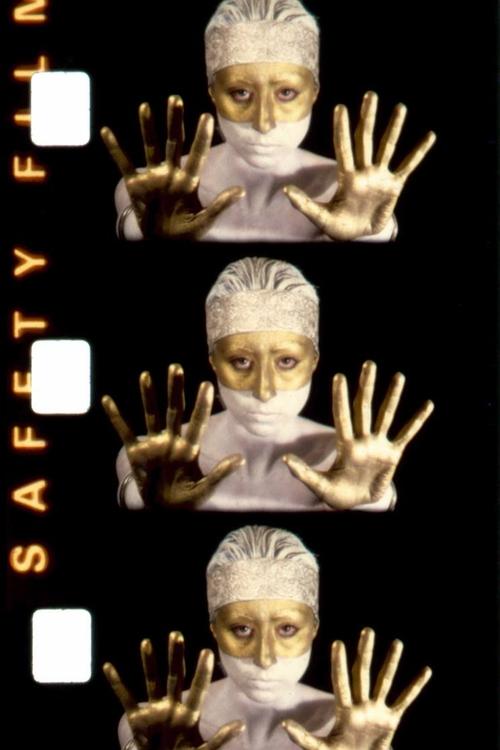
Astarti, the Greek name for Ishtar, is an archetype of a deep, nocturnal feminine that emerges from subterranean darkness. We experience an embodied cinematic experience realised through a sensuous aesthetic as we are invited to enter a strange and uncertain world of inner depths and hypnotising effects. There, we encounter three women actantes, embodied by the artists, who play mythic and magical female figures such as Medusa and Salome. They metamorphose, dance and enter trances where the body vibrates into transformation. Figures reveal themselves out of silence which is both the moment of creation and an eternal reality. The film itself actualises that which is inactual and gives form to blackness through a poetics of intimacy and an ethics of interpersonal relationships, which is founded in the artists’ own double authorship.

The film revolves around three notions: Kha = the etheric double according to ancient Egyptians. Perpetual specter in all respects resembling the physical body of a dead person. Uebertragung = transfer. Phenomenon by which an emotional state experienced for one object is extended to another by an association. Identification. Projection. Moving from one order of things to another. Embalming = filling a corpse with balsamic, desiccating and antiseptic substances to preserve them. Fill with a sweet smell. Perfume.
Subscribe for exclusive insights on movies, TV shows, and games! Get top picks, fascinating facts, in-depth analysis, and more delivered straight to your inbox.