
Action
Adventure
Animation
Comedy
Crime
Documentary
Drama
Family
Fantasy
History
Horror
Music
Mystery
Romance
Science Fiction
Thriller
War
Western
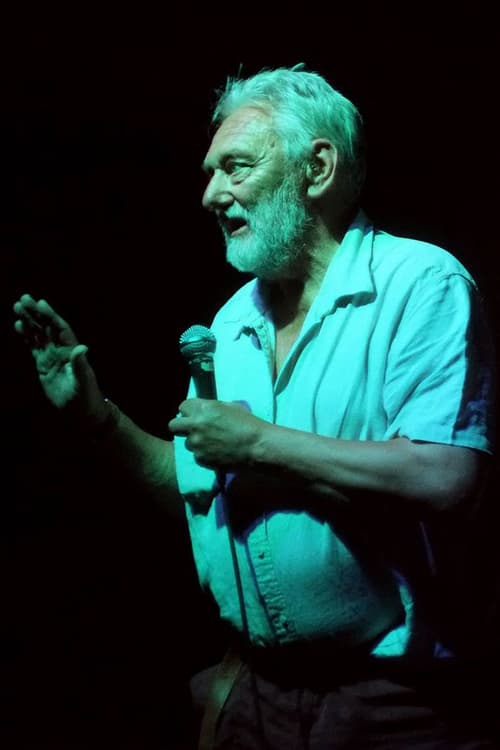
Born in May 1940, Malcolm Le Grice started as a painter but began to make film and computer works in the mid 1960's. Since then he has shown regularly in Europe and the USA and his work has been screened in many international film festivals. He has also shown in major art exhibitions like the Paris Biennale No.8, Arte Inglese Oggi, Milan, Une Histoire du Cinema, Paris, Documenta 6, Kassel, X-Scree...
Explore all movies appearances
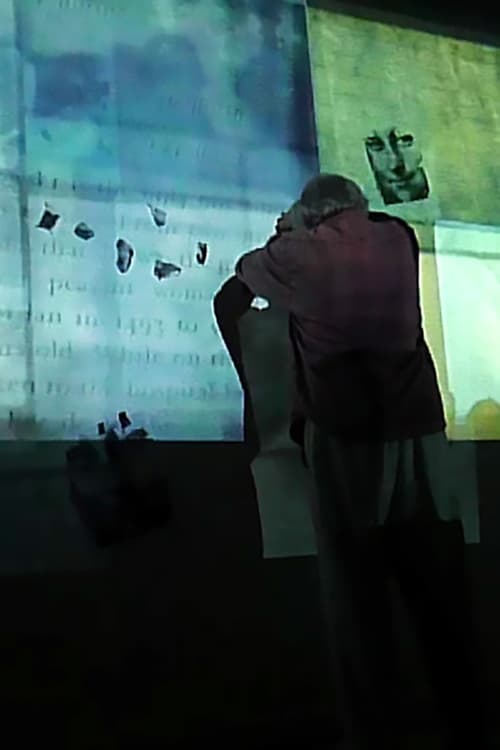
"This installation or performance work puts my own earlier film of the Mona Lisa (1973) through another stage of transformation – my own irretrievable self of some 34 years ago is now also part of the subject I first saw the ‘actual’ ‘Mona Lisa’ when I was about thirteen. Of course I had seen dozens of reproductions in books and postcards by then and the popular mythology of the enigmatic smile was already well engrained in my mind. My strongest impression, as I recall, was how small and unsurprising it was – a heavily protected cultural icon – no longer really a picture – and I was much more excited by the painting of the distant landscape than by the face. My own ‘version’ of ‘la Giaconda’ was never an homage, nor like Marcel Duchamp’s ‘L.H.O.O.Q’, an attack on its cultural power. Instead it came from a fascination with change and transformation – maybe also with arbitrary appropriation." Malcolm Le Grice
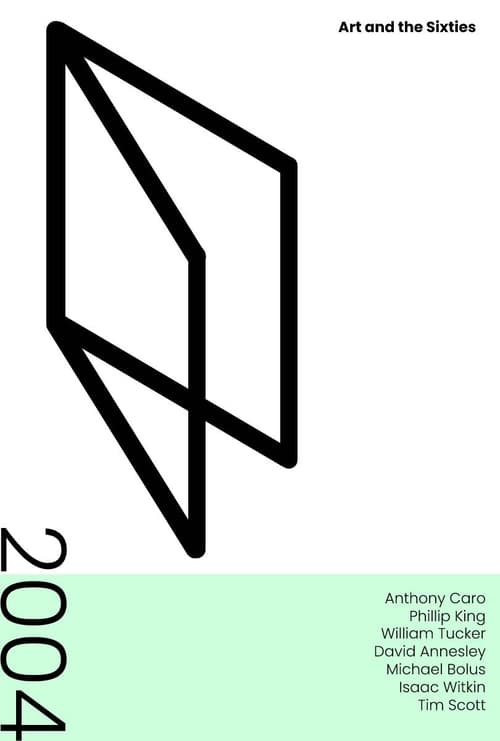
Documentary about British Art in the 60's produced by the BBC starting with Fraser and Kasmin, moving to the modern sculpture movement lead by Caro largely at Central Saint Martins, and finishing with political and performance art in London.
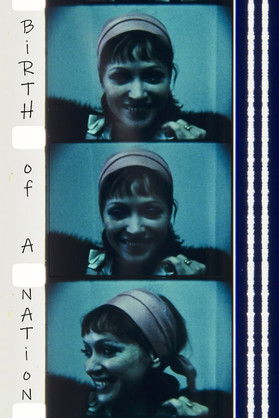
Jonas Mekas assembles 160 portraits, appearances, and fleeting sketches of underground and independent filmmakers captured between 1955 and 1996. Fast-paced and archival in spirit, the film celebrates the avant-garde as its own “nation of cinema,” a vital community existing outside the dominance of commercial film.
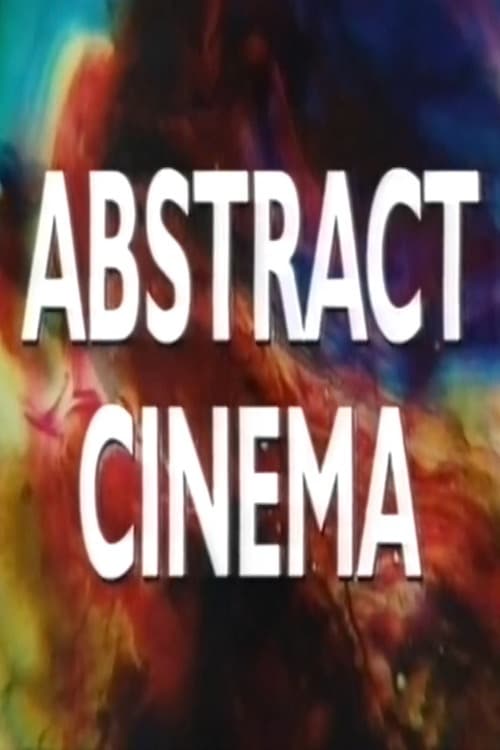
Several well-known and pioneering abstract filmmakers discuss the history of non-objective cinema, the works of those that came before them and their own experiments in the field of visionary filmmaking.
Home movies shot on Super 8mm by W+B Hein over 10 years.
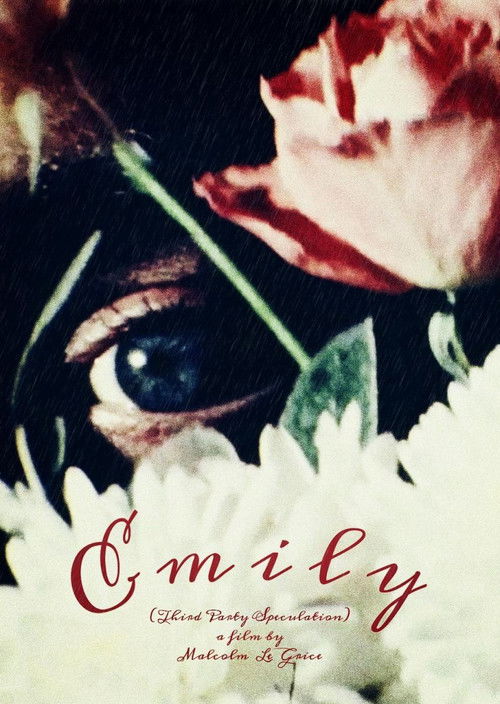
Emily - Third Party Speculation is the second of a ‘domestic trilogy’ exploring the relationship between the restricted camera viewpoint and the construction of documentary narrative. The other two films in the series are Blackbird Descending - tense alignment and Finnegan's Chin - temporal economy. Constructed around the repetition of ‘neutral’ domestic scenes, this film attempts to address the problems of identification in cinema.
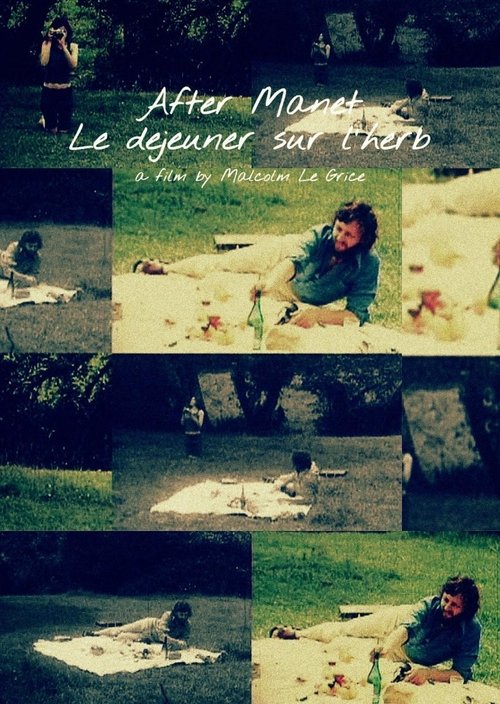
Le déjeuner sur l’herbe is simultaneously perceived from four different camera positions in a work which engages with the pro-filmic in order to question documentation, illusion and the film viewing process.
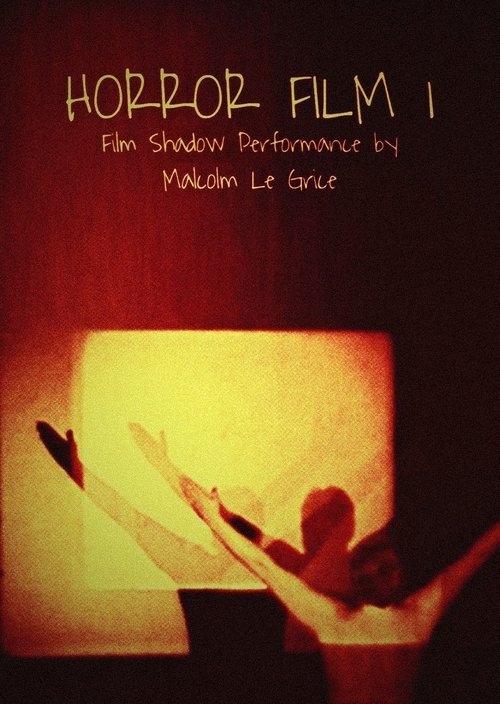
Film shadow performance. "First presented in 1971 using three 16mm projectors each with a short loop of changing colour. Projected onto the same screen – the centre image large and the two side images smaller and superimposed into the centre of the larger screen. The performing body casts complex colour shadow. The action begins touching the screen and - passing through the space of the audience – it ends at the projectors. The actions are timed to an audio tape of breathing. Though improvised in detail to fit the particular time and place, the action follows a consistent pattern that has changed little since the first performance.".
Subscribe for exclusive insights on movies, TV shows, and games! Get top picks, fascinating facts, in-depth analysis, and more delivered straight to your inbox.