
Action
Adventure
Animation
Comedy
Crime
Documentary
Drama
Family
Fantasy
History
Horror
Music
Mystery
Romance
Science Fiction
Thriller
War
Western

From Wikipedia Anna Rosemond (February 16, 1886 – 1966) was one of the earliest film actresses of the early silent film era. Anna Miers Rosemond was born in Philadelphia, Pennsylvania. Her father was an Austrian immigrant, her mother a first generation American of German parentage. She started her film acting career in 1910, having a supporting role in the film The Actor's Children, starring Fra...
Explore all movies appearances
Elaborately produced version of the well known George O. Nichols fairy tale interrupted by just a few summarizing intertitles, with Florence LaBadie and Harry Benham.
Released on June 7, 1910, THE TWO ROSES was Thanhouser's 16th release and was advertised as "A powerful, pathetic, pretty story of life in Little Italy." The film featured Marie Eline (Tony, an Italian boy), Frank H. Crane (Tony Prolo, young Tony's father), and Anna Rosemond (Tony Prolo's wife). In this film Marie Eline was billed as "The Thanhouser Kid" for the first time.
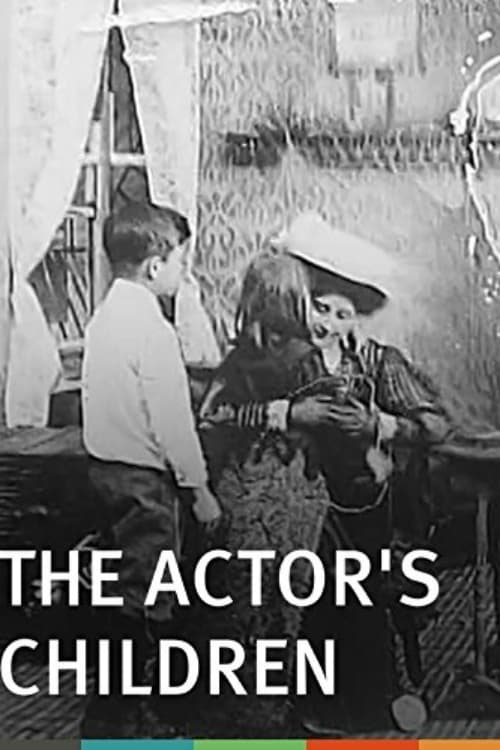
When his play closes down, an actor returns home to find that his children are gone. He's then notified that a wealthy relative has died and left him a substantial amount of money. Preserved by the Academy Film Archive in 2007.
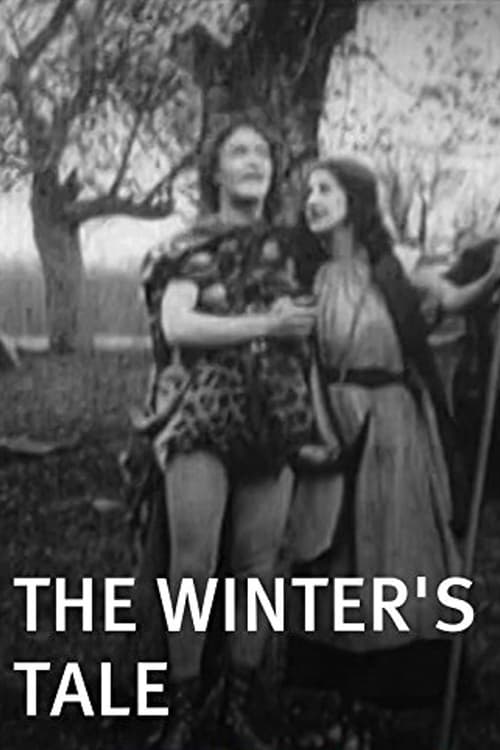
Sicilian king Leontes jealously accuses his wife Hermione of infidelity with his best friend, and while imprisoned, she delivers a child. Sent away, the child is raised by Bohemian shepherds. The Winter's Tale was the first of six Shakespeare adaptations from Thanhouser, and was the 13th or 14th title from the studio in its first nine weeks of releases.
This picture tells the story of Lucy Dane, a Canadian lumberman's daughter, and of Will Harding's love for her. Will is a worthy young surveyor and Lucy feels honored to have his love, and returns it. Jose, a half-breed trapper, adores Lucy and necessarily dislikes Will, whom he correctly counts his successful rival. More, he bears Will a grudge for responding to Lucy's cries for help when he forced his attentions on her in a lonely neck of the woods.
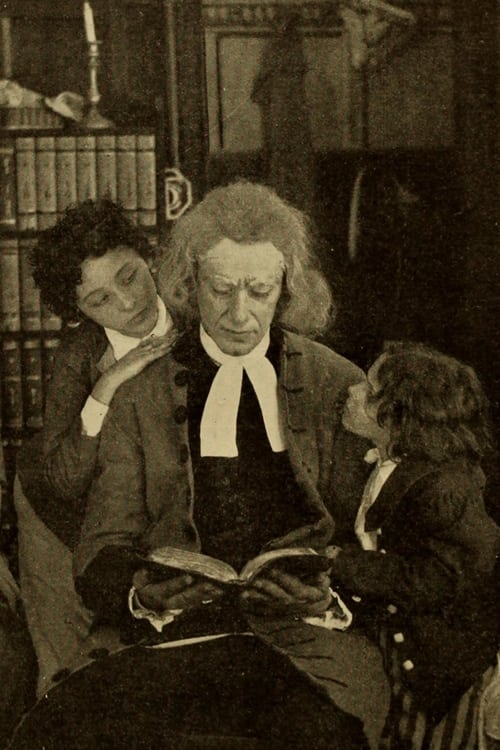
Edwin Thanhouser re-made The Vicar of Wakefield in 1917 as a eight-reel feature film providing us with a frame of reference for the maturation of film language and cinematic techniques over the ensuing eight year period.
When Granny Nichols' daughter heads to go to the city in search of a job she meets and marries a wealthy man. The husband is falsely arrested and before he can prove his innocence, his wife, believing herself deserted returns to her mother with the babe. Freed he finds only a note from his wife upon his return saying that he will never see them again. Returning to the farm with her dying breath, the mother entrusts baby Lena to the care of Granny. When Lena, never knowing her father’s name, is sixteen her Uncle John decides to take Granny and she to live with him in the city. Lena's father, a frequent visitor to John’s home unaware of his connection to his dead wife, Meets Lena and espying a locket worn round her neck containing the picture of her mother, he recognizes her as his daughter.
Planter Middleton of Kentucky has two beautiful daughters, "Tempest," and "Sunshine," because of their different dispositions. "Sunshine" loves Dr. Lacey of New Orleans but is wooed by village postmaster Bill Jeffreys, who she rejects when he proposes. Soon after the Dr. & Sunshine become engaged, he is compelled to return to his home city. During his absence, "Tempest," who loves him, conspires with Bill Jeffreys to intercept the lovers' letters making the pair doubt each other. The Doctor decides to marry "Tempest” while Sunshine is brokenhearted. Just as Tempest and the Doctor are about to be married, the ceremony is interrupted by Jeffreys, who confesses the plot, and the lovers reunited.
Subscribe for exclusive insights on movies, TV shows, and games! Get top picks, fascinating facts, in-depth analysis, and more delivered straight to your inbox.