
Action
Adventure
Animation
Comedy
Crime
Documentary
Drama
Family
Fantasy
History
Horror
Music
Mystery
Romance
Science Fiction
Thriller
War
Western
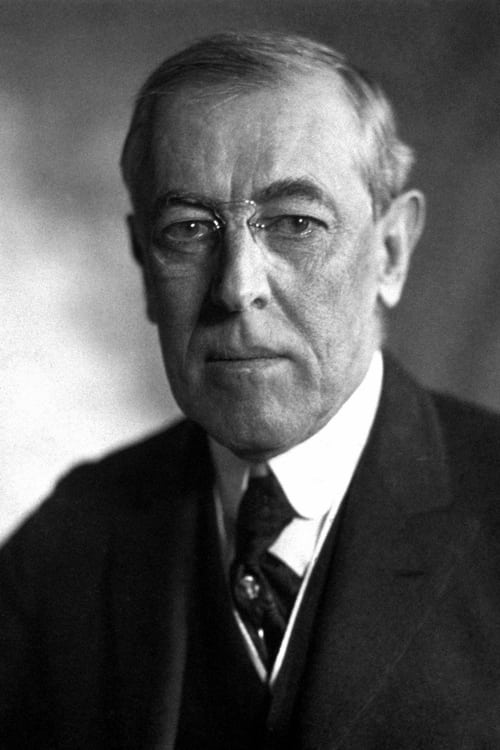
Woodrow Wilson, 28th president of the United States of America (1913–21). A scholar and statesman, best remembered for his legislative accomplishments and his high-minded idealism, who led his country into World War I and became the creator and leading advocate of the League of Nations, for which he was awarded the 1919 Nobel Prize for Peace.
Explore all movies appearances
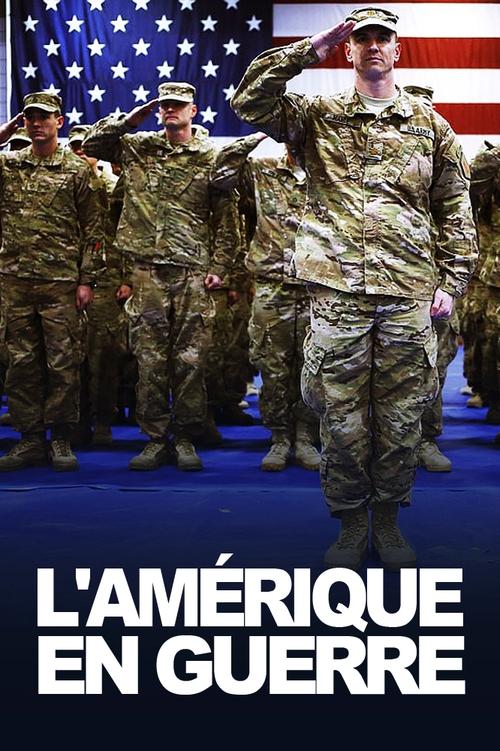
The United States of America has been at war for almost all of its 250 years of existence. From the wars of independence to current armed conflicts, its armed forces have not only shaped American identity, but also influenced the political decisions of its leaders. The documentary delves deep into this complex history and analyzes the hot and cold wars that shaped the development of the USA, along with lessons for the future. How have generations of Americans experienced these wars and how have their lives been changed by them? How has military engagement been used to shape the image and role of the USA on the world stage? Do military decisions today shape the world of tomorrow and what are the effects on democracy and society? And as the US president begins his new term in office, the question also arises: what role does the army play in Donald Trump's understanding of the world?

The story of how Aurora Mardiganian (1901-94), a survivor of the Armenian genocide perpetrated by the Ottoman Empire (1915-17), became a Hollywood silent film star.
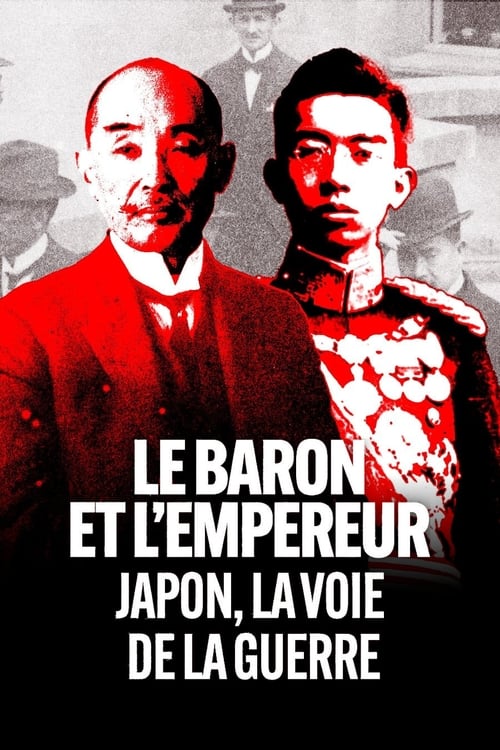
No plot available for this movie.
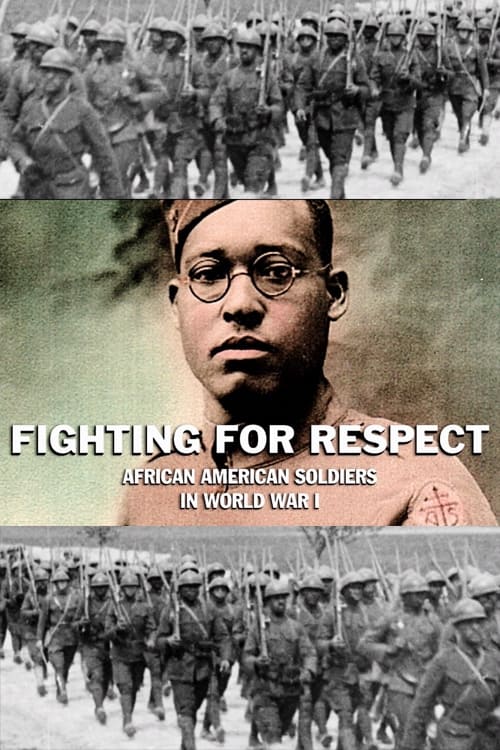
Fighting for Respect captures the plight of African American soldiers who fought in WWI, receiving the Croix de Guerre military decoration from France, while still fighting discrimination and hatred at home in America.
An account of the last two centuries of the Anthropocene, the Age of Man. How human beings have progressed so much in such a short time through war and the selfish interests of a few, belligerent politicians and captains of industry, damaging the welfare of the majority of mankind, impoverishing the weakest, greedily devouring the limited resources of the Earth.
How can the masses be controlled? Apparently, the American publicist Edward L. Bernays (1891-1995), a pioneer in the field of propaganda and public relations, knew the answer to such a key question. The amazing story of the master of manipulation and the creation of the engineering of consent; a frightening true story about advertising, lies and charlatans.
Before the G, PG and R ratings system there was the Production Code, and before that there was, well, nothing. This eye-opening documentary examines the rampant sexuality of early Hollywood through movie clips and reminiscences by stars of the era. Gloria Swanson, Mary Pickford, Marlene Dietrich and others relate tales of the artistic freedom that led to the draconian Production Code, which governed content from 1934 to 1968. Diane Lane narrates.
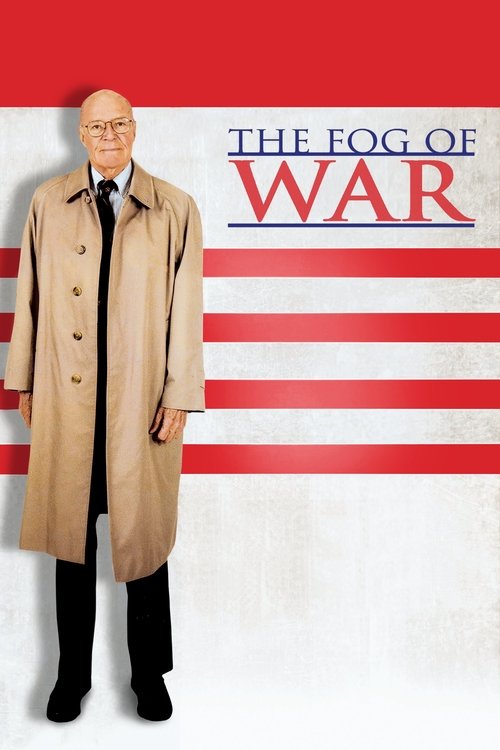
Using archival footage, cabinet conversation recordings, and an interview of the 85-year-old Robert McNamara, The Fog of War depicts his life, from working as a WWII whiz-kid military officer, to being the Ford Motor Company's president, to managing the Vietnam War as defense secretary for presidents Kennedy and Johnson.
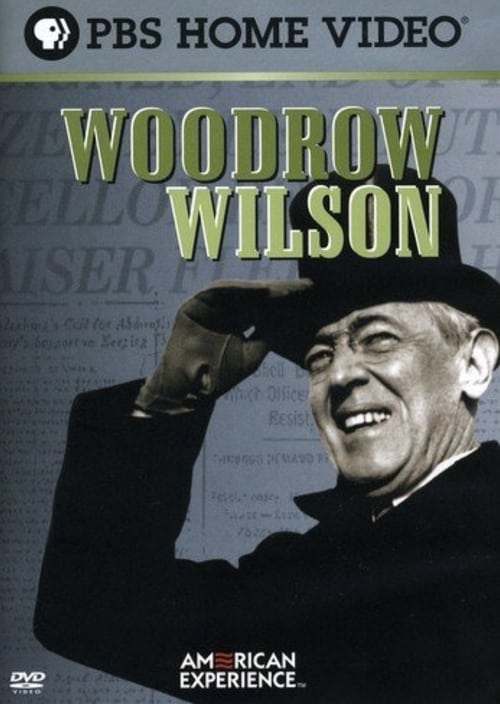
A gifted orator, Woodrow Wilson was supremely confident before crowds, yet uneasy in small groups. An intellectual with inflexible moral principles, he led America into World War I, threatening all that he cherished. This film recalls the transformation of a history professor into one of America's greatest presidents, brought down by his stubborn search for peace and an incapacitating stroke.
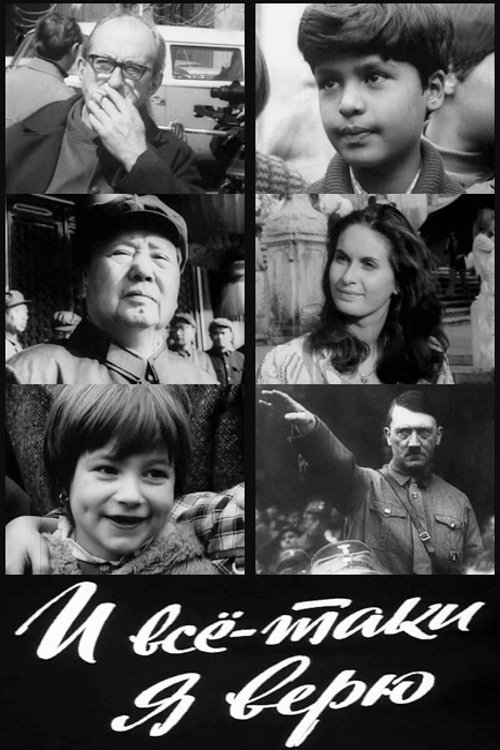
Originally called World '68, later retitled The World of Today Romm’s film was conceived as an impassioned, large-scale essay on the origins of the 20th century and the subsequent reality the disappointed director felt slipping away from him. The film itself slipped away from him and was left unfinished at the time of his death. His younger colleagues, Marlen Khutsiev, Elem Klimov and German Lavrov, completed the film from the elements he left behind in addition to segments from Ordinary Fascism, closing the film with Romm’s ultimately optimistic outlook: "And still I believe that man is sensible..."
Subscribe for exclusive insights on movies, TV shows, and games! Get top picks, fascinating facts, in-depth analysis, and more delivered straight to your inbox.