
Action
Adventure
Animation
Comedy
Crime
Documentary
Drama
Family
Fantasy
History
Horror
Music
Mystery
Romance
Science Fiction
Thriller
War
Western
Explore all movies appearances

Nadia and Peter meet during a time when their respective marriages are falling apart. Peter’s marriage has cooled due to his wife Lenka’s work commitments in Africa, while Nadia’s husband Viktor has found new love. A chance car collision brings them into each other’s lives, triggering unexpected encounters.
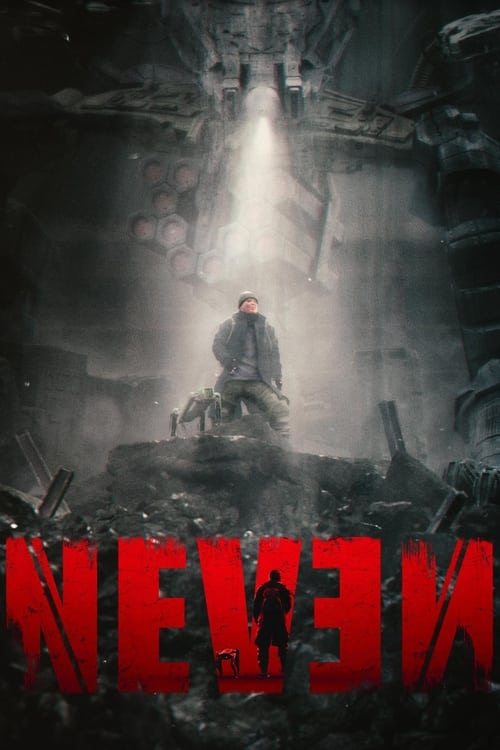
As a result of the War, Peter lost everything he loved at very young age. In a world devastated by war, there is little hope left for him. The world is very dangerous place, full of out-of-control war machines. In all this darkness, Peter finds a long-forgotten sense of happiness in form of an unexpected friendship with damaged robot named Neven (Croatian name meaning 'everlasting'. Story chronologically starts and ends at the same place / with shot of the tree, hence the palindrome name/title). At the end of story, Peter comes to terms with loss of his family and hopes for better future.
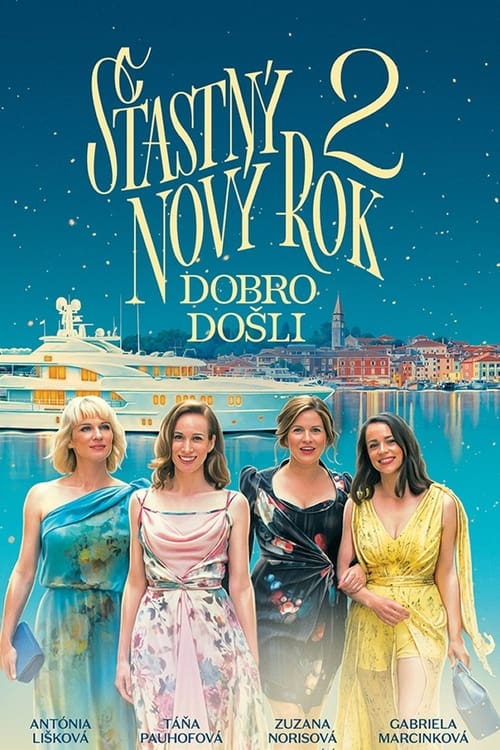
In this romantic comedy sequel, Hana prepares for her perfect wedding in Croatia, but rollicking chaos ensues when her three best friends get involved.

Life is the only game one does not choose for oneself. The central theme of the film is not only the stories connected to the casino space, gambling and poker players, but also stories from the outside world - the game as a life feeling given to man from birth. Playing in the casino space is the essence of fun and relaxation, but also of the feeling of gambling, it has a kind of mysterious flavour to it. The world 'beyond the walls', the outside world, and therefore politics, is a world of even greater games. Politics influences people's lives, plays with them and, unlike the 'poker' world, often uses unfair means, has no set rules of the game and sometimes even fights against them.

Inspired by true events of the 1989 Czech and Slovak Velvet Revolution and Václav Havel's controversial release of 23000 prisoners. In addition to the story of three families affected by communist persecution, the film Amnesty also deals with the uprising of prisoners in Leopoldov, which required military intervention. The uprising was preceded by a broad amnesty granted by Václav Havel in January 1990, just a few days after his election as Czechoslovak president.

Longtime friends and strangers mingle while spending the holiday on the snowy Slovakian mountains with an ample dose of ridiculousness and romance.

Slovak director Marek Kuboš has not shot a film in 13 years. His first film ever – a student exercise at film school – was a self-portrait. The circle is closed, the source of creativity has seemingly dried up. All that is left to do in the last self-portrait is to clean up after oneself, to recapitulate one’s successes and failures, and to bid farewell to one’s protagonists. This introspective meta-documentary is not so much a study of a creative crisis as it is a self-therapeutic process and an attempt at offering a comprehensive profile of the filmmaker at a time of unstable certainties. Appearing in the role of Kuboš’s consultants are essentially all leading Slovak documentary filmmakers.
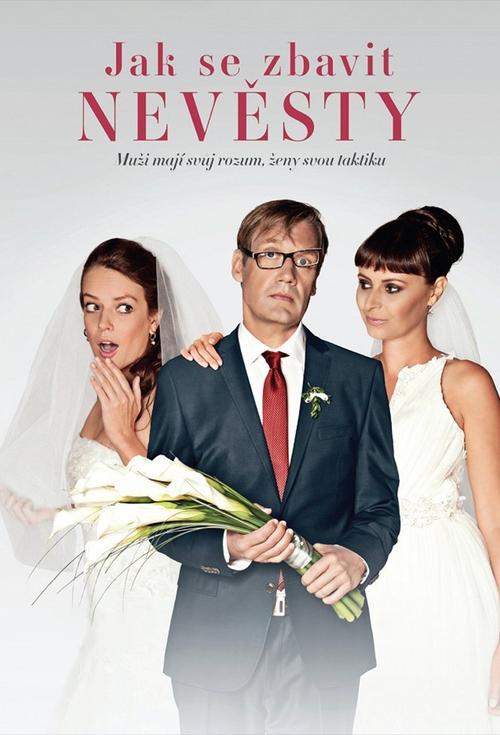
Eva, a driven pastry-shop owner and single mother with a meddlesome but well-meaning mother, is thrown for a loop when her ex-husband Janá, whom she still gets along with perfectly, announces he’s fallen in love again and plans to marry the talented pianist Linda. Determined not to let her daughter’s father’s wedding proceed, Eva and her indomitable mother set off on a road trip to sabotage it.
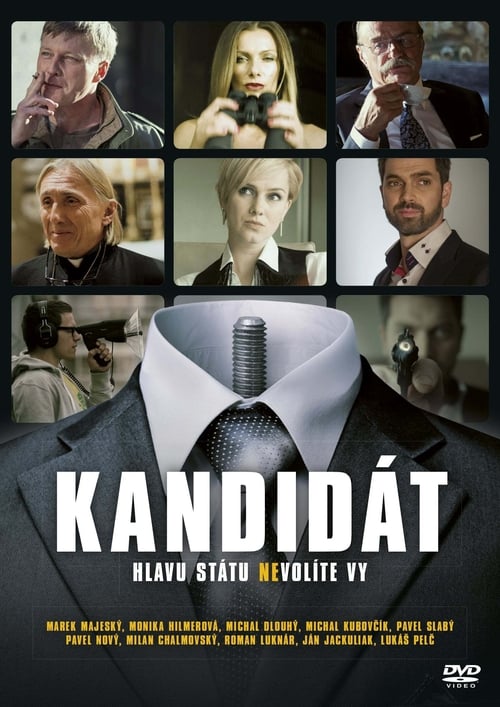
The story of the film The Candidate takes place during two months of campaigning before a non-specific presidential election in one specific country. The author of the diary entries has no idea for whom he is recording the eavesdropping and enthusiasm for an interesting job in which he follows a bishop, a crazy owner of an advertising agency and a bland presidential candidate with the eloquent name Peter Potôň and an even sweeter-sounding family history, soon give way to disgust and confusion. His diary becomes a file with transcripts of conversations, information about characters and characters, emails, scraps from psychiatric medical records and pictures, which he scribbles at first out of boredom, later because words and rational explanations are no longer enough. The candidate is a political farce, a sad-funny depiction of what happened, is happening, and could very easily happen in this small country.
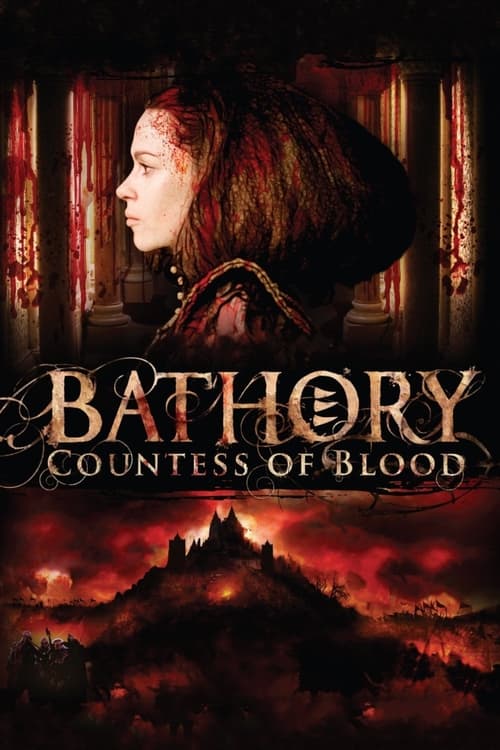
Bathory is based on the legends surrounding the life and deeds of Countess Elizabeth Bathory known as the greatest murderess in the history of mankind. Contrary to popular belief, Elizabeth Bathory was a modern Renaissance woman who ultimately fell victim to men’s aspirations for power and wealth.
Subscribe for exclusive insights on movies, TV shows, and games! Get top picks, fascinating facts, in-depth analysis, and more delivered straight to your inbox.