
Action
Adventure
Animation
Comedy
Crime
Documentary
Drama
Family
Fantasy
History
Horror
Music
Mystery
Romance
Science Fiction
Thriller
War
Western
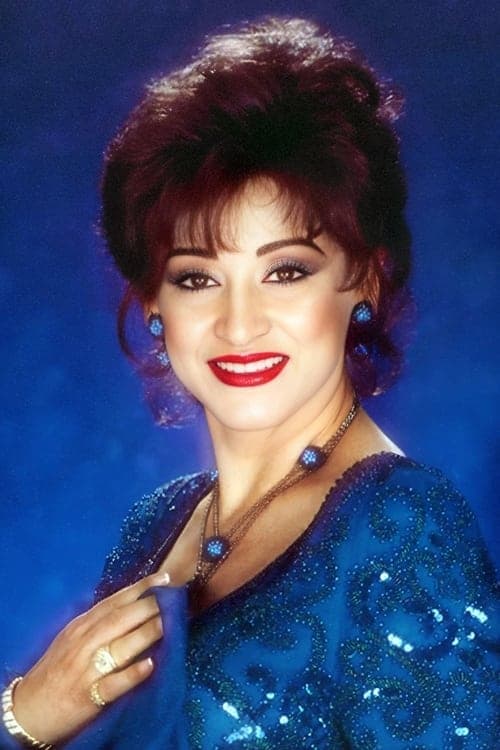
Warda Ftouki, better known as Warda (Arabic: وردة), or Warda Al-Jazairia (Arabic: وردة الجزائرية, "Warda the Algerian"), was an Algerian singer. Born on July 22, 1939 in Paris to an Algerian father and a Lebanese mother, she died on May 17, 2012 in Cairo, Egypt. Warda was born in Paris to an Algerian father, Mohammed Ftouki, originally from Souk Ahras, and a Lebanese mother. She began singing dur...
Explore all movies appearances
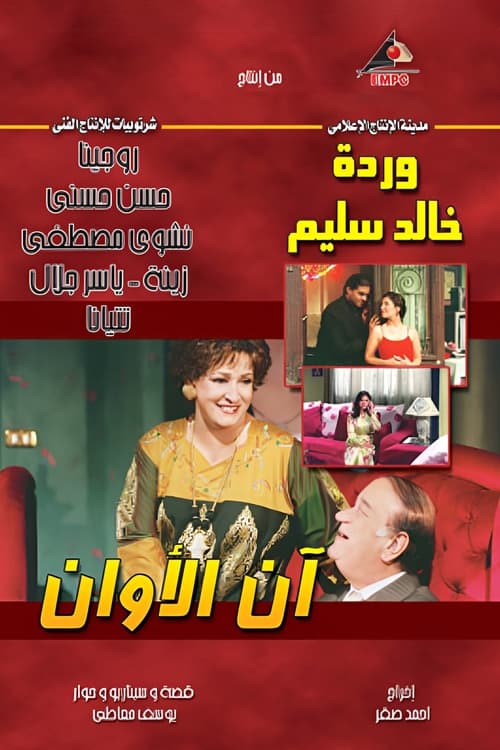
A famous singer who has fans who miss her after she voluntarily retired from singing a while ago when she felt that she had reached the pinnacle and that the climate had begun to change, so she established a special institute for teaching and training singing to discover true talent and participate in raising the level of Arabic song. The Egyptian soap opera is programmed in Algeria by ENTV during the month of Ramadan, in October 2006, at 5 p.m. The series will be accompanied by an eponymous album by Warda “An El Awa” (2006).
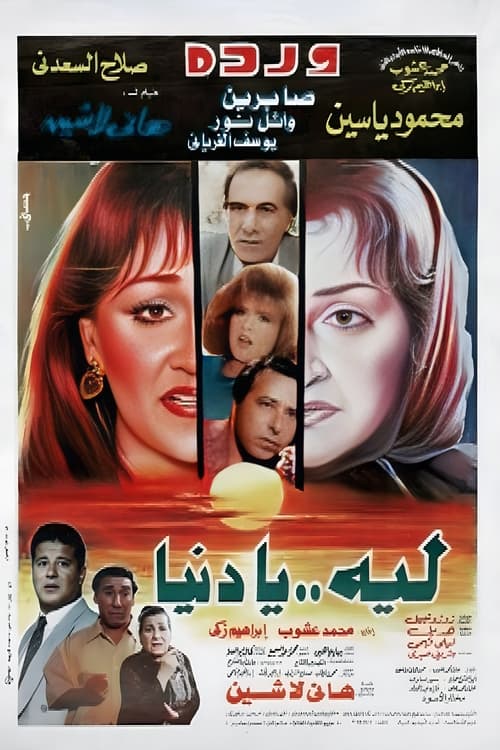
Dunya is married to Mustafa. They have a beautiful child and live a happy life. However, a family friend, a doctor, discovers that the husband is on the verge of death due to a serious illness. Dunya will be unjustly accused of killing her husband, businessman Mustafa, out of greed for his money, while the real criminal enjoys freedom and money. The doctor friend tries to find out the truth and with all his might prove Dunya's innocence.
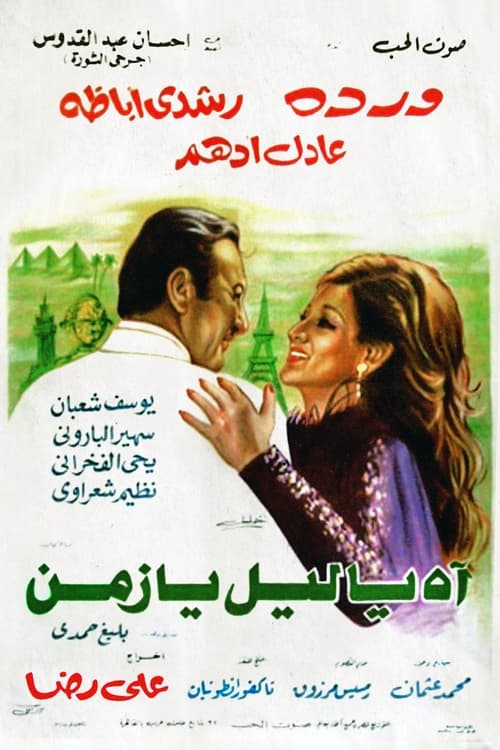
After all the property and money of her father, Al-Basha, were nationalized after the revolution of July 23, 1952, Faten, the daughter of Al-Basha, travels to Morocco to find a job that will provide her with a day's livelihood, to get to know Elias, who persuades her to work as a singer in a nightclub, but events change when she meets the Egyptian officer Mahmoud, will you return with him to Egypt?
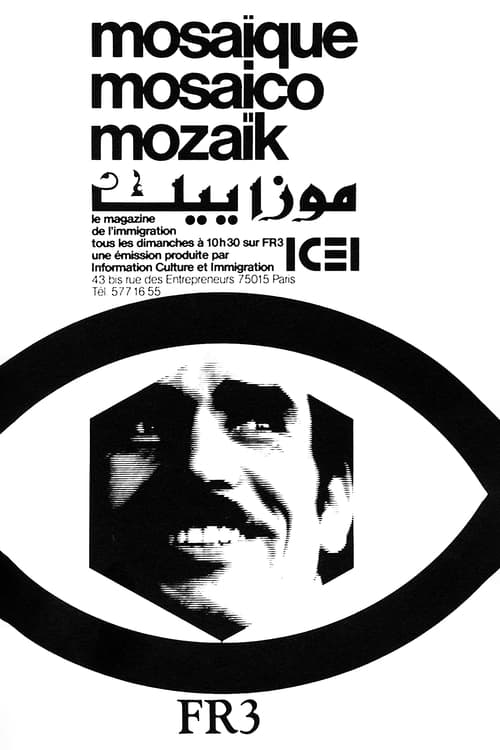
Broadcast from 1977 to 1987 on FR3, every Sunday morning, for 1h30, Mosaïque is a variety show with a set where music groups from the countries of origin of immigration perform, and which broadcasts reports on these countries and on immigrants who live in France. When it was created, it aimed to promote the cultures of origin of immigrants, but also to make them better known to the rest of the population. However, the program was never financed by public television which considers that it was aimed at a specific audience and was therefore not part of a public service mission. It received financial support from the Ministry of Labor, through its subsidy to the National Office for the Cultural Promotion of Immigrants, ONPCI (later becoming Information Culture and Immigration, ICEI, in 1977, then Agency for the Development of Intercultural Relations , ADRI). , in 1982).
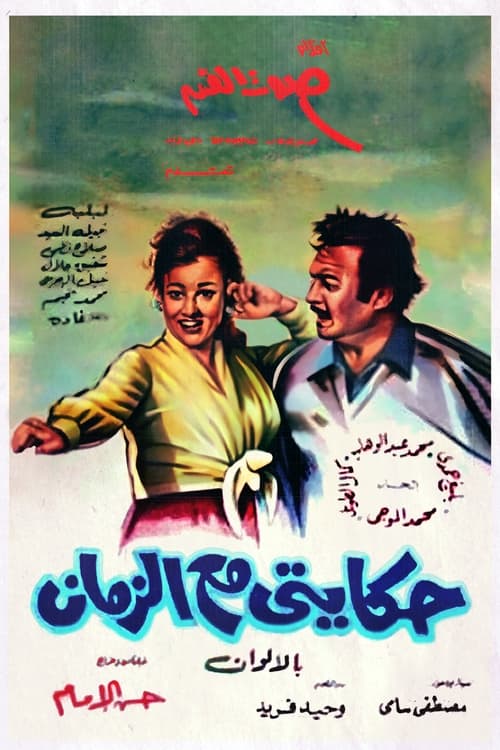
Singer Suhair marries Salah, the well-known owner of the contracting company, and forces her to leave the band. She has a son with him, then discovers that his works are done illegally and leaves him, and he in turn deprives her of seeing her son. A love affair develops between her and Hosni, the band's new director, but Salah comes to her again and promises her integrity. Suhair hesitates to choose.
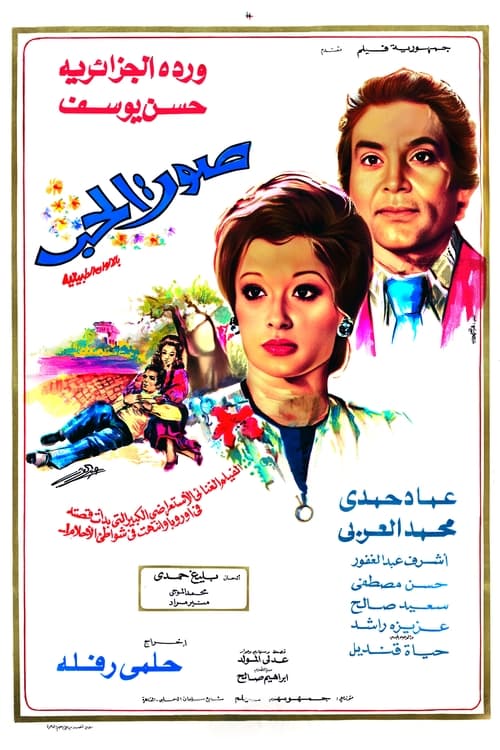
Hasan Youssef plays Mohsen, a doctor who is in love with a nurse named Mona (Warda Al-Jazaria). They hope to marry soon, however Mohsen's father refuses to allow the marriage: he has promised his son to the daughter of a wealthy benefactor, to settle a long standing debt. In order to convince the father to allow their marriage, Mohsen asks Mona to work as his father's private nurse and work to win him over.
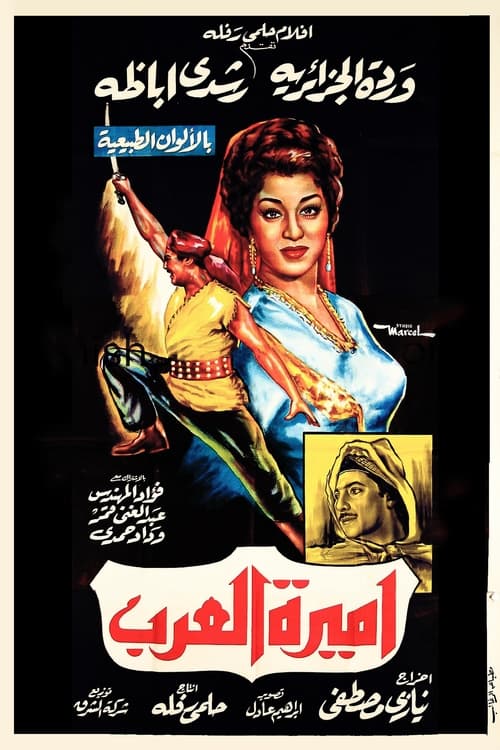
Prince Mahboob and his friend Yazid roam the country in search of a bride for his uncle who has a distinctive mark. They arrive in Wardistan, and rescue a woman who is being fought over by thieves, who was none other than Princess Shalia. Her father admires Mahboob's courage and decides to marry him to her, but Mahboob discovers that Shalia is his uncle's longed-for bride.
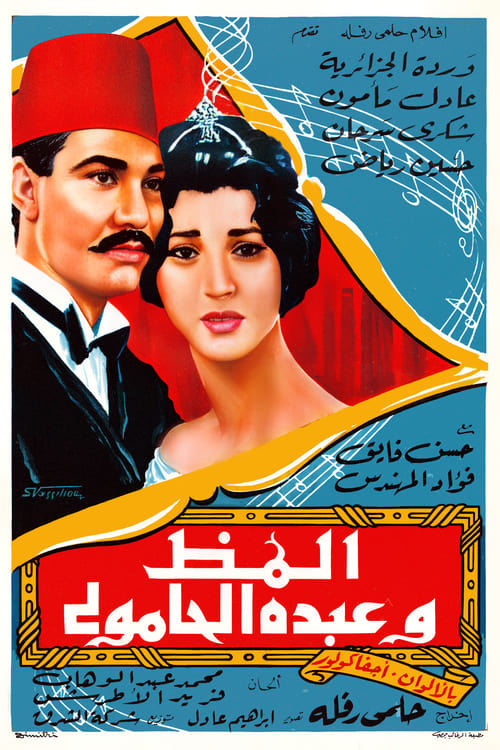
Almaz goes from a simple worker to one of the brightest singing stars during the reign of Khedive Ismail. The great singer Abdo Al-Hamuli encouraged him and introduced him to high-end circles. The Khedive wants to keep it for himself. Almaz agrees to give her his voice without his body, so the Khedive agrees to marry her. Abdo Al-Hamouli will prevent her from singing after the wedding. Problems arise between the palace and all the singers, which leads them to join the popular revolutionary movement which was beginning to gain strength at that time...
Subscribe for exclusive insights on movies, TV shows, and games! Get top picks, fascinating facts, in-depth analysis, and more delivered straight to your inbox.