
Action
Adventure
Animation
Comedy
Crime
Documentary
Drama
Family
Fantasy
History
Horror
Music
Mystery
Romance
Science Fiction
Thriller
War
Western
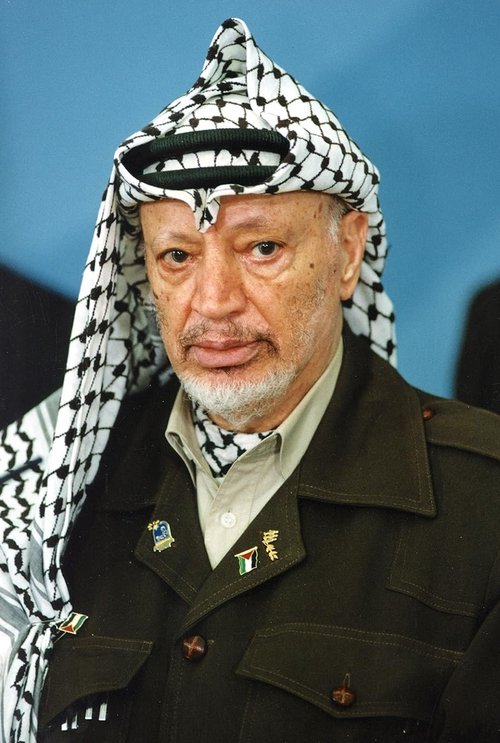
Yasser Arafat (in Arabic: ياسر عرفات), born August 24, 1929 in Cairo, Egypt and died November 11, 2004 in Clamart (Hauts-de-Seine, France), real name Mohamed Abdel Raouf Arafat al-Quudwa al- Husseini (Arabic: محمد عبد الرؤوف عرفات القدوة الحسيني) and also known by his nickname (kounya) of Abou Ammar, is a Palestinian activist and statesman. Leader of Fatah and then also of the Palestine Liberati...
Enjoying the content? Support us!
Explore all movies appearances

Prediction markets let anyone bet on anything, from the World Cup to alien invasions. "Instadocs" investigates the explosive rise of global betting.

Archival film maestro Göran Hugo Olsson has assembled—from a vast catalogue of footage in the vaults of Sweden’s national television service SVT—accounts of the Israeli-Palestinian conflict as witnessed and represented by Swedish journalists. Stories of the beginning of the Israeli state interwoven with the Palestinian struggle for independence. News coverage with Yasser Arafat and interviews with Israeli foreign minister Abba Eban during a visit to Sweden unseen since first broadcast. From the tenth anniversary of Israel’s founding to the First Intifada, perspectives and encounters with statesmen, civilians, revolutionaries, and intellectuals tell the story from myriad angles of an evolving media landscape, revivifying a history of the ongoing conflict.
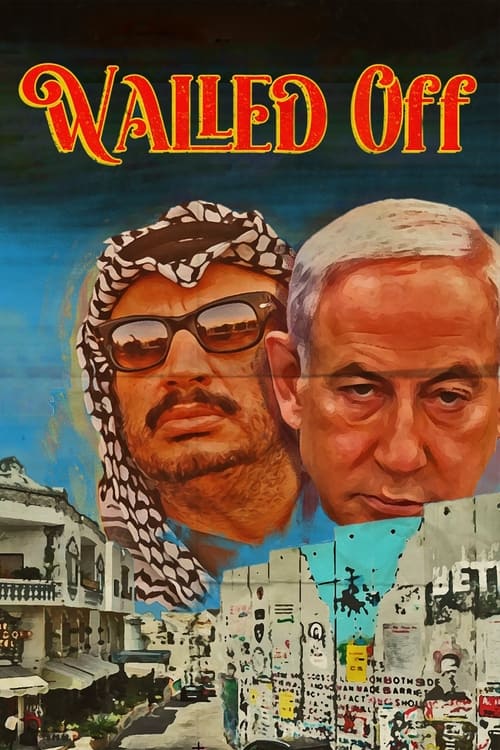
A secret museum in an art hotel sparks intrigue when it's revealed to be a creation of controversial artist, Banksy. Using art as a form of political resistance, the hotel highlights the reality of life under Israeli military occupation. The film journeys through the hotel, Palestine, and a relevant past to dismantle the mainstream media's bias towards the Palestinian struggle for freedom and equality.
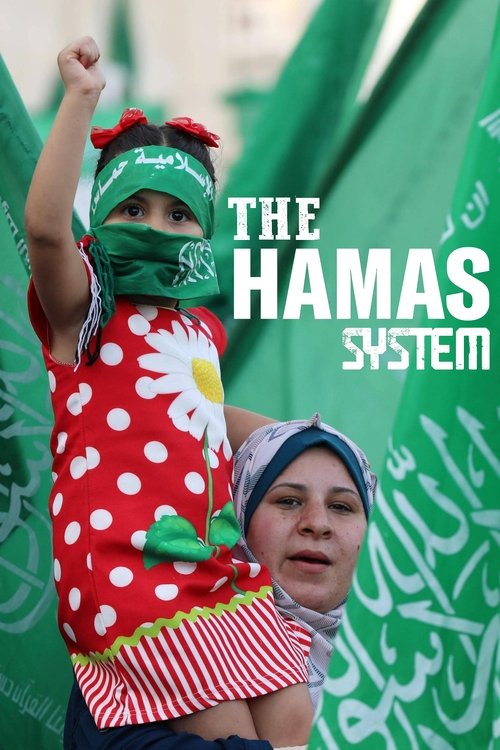
The attack by Hamas on Israel on October 7, 2023 changed the world. It is the greatest crime against Jews since the Holocaust of the German National Socialists, committed by Palestinian terrorists led by Hamas. The documentary examines how a terrorist organization could become the strongest political force in the Gaza Strip. What are its goals and how could Hamas grow into a company with an annual turnover of several hundred million dollars? Terrorism researchers, ethnologists and contemporary witnesses analyze the history and present of Hamas, whose main goal is the destruction of the State of Israel. Documents show how children are manipulated with anti-Western and anti-Israeli propaganda through television programs and in school lessons. Images show how minors are trained to be terrorists in Hamas summer camps. In interviews, experts report how the ideology of the Hamas movement is also spilling over into Europe and bringing with it a whole new dimension of anti-Semitism.

A look back on the life of Nobel Peace Prize winner, Shimon Peres, who served as prime minister of Israel twice and negotiated the 1994 Israel-Jordan peace treaty.
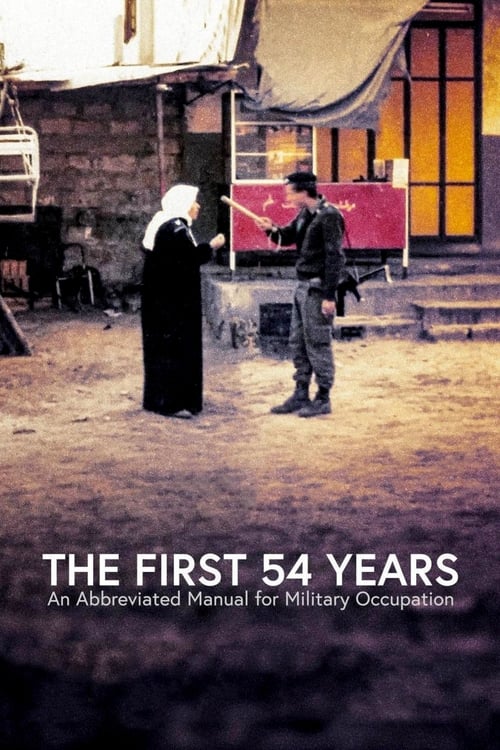
An exhaustive explanation of how the military occupation of an invaded territory occurs and its consequences, using as a paradigmatic example the recent history of Israel and the Palestinian territories, the West Bank and the Gaza Strip, from 1967, when the Six-Day War took place, to the present day; an account by filmmaker Avi Mograbi enriched by the testimonies of Israeli army veterans.

Sketch of Sigrid Kaag's transformation from UN diplomat to minister and D66 party leader. How is she faring in a changed Netherlands, where her actions as well as her private life are dissected?
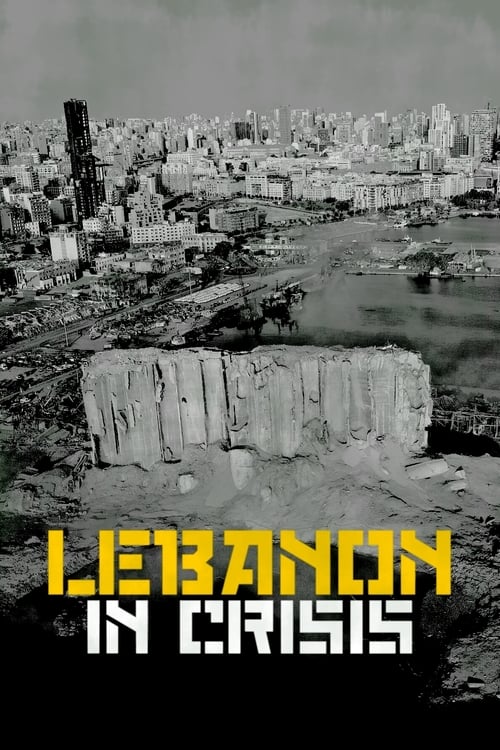
The apocalyptic blast in the Port of Beirut, Lebanon, on August 4, 2020, exacerbates anger at those in power: protests cross religious boundaries as the Lebanese people curse corruption, nepotism, gross economic mismanagement and squandering of resources. How did the Land of Cedars, a country with so much to offer, allow itself to get into such a dire situation? And will it be able to bounce back?

A walk through the life and career of the legendary French photojournalist Christine Spengler, known as Moonface, one of the few female war reporters in the seventies, also a writer and surrealist painter, who worked in Chad, Northern Ireland, Vietnam, Cambodia, Afghanistan, Lebanon, Iran, Iraq and other places where unfortunately war and death prevailed for years.

Twenty years before the spectacle of Donald Trump, Benjamin Netanyahu already understood the political benefits of a toxic relationship with the media, and direct communication with the public. King Bibi explores Netanyahu's rise to power, relying solely on archival footage of his media performances over the years: from his days as a popular guest expert on American TV, through his public confession of adultery, and his mastery of the art of social media. From one studio to another, "Bibi" evolved from Israel's great political hope, to a controversial figure whom some perceive as Israel's savior, and others - as a cynical politician who will stop at nothing to retain his power.
Subscribe for exclusive insights on movies, TV shows, and games! Get top picks, fascinating facts, in-depth analysis, and more delivered straight to your inbox.