
Action
Adventure
Animation
Comedy
Crime
Documentary
Drama
Family
Fantasy
History
Horror
Music
Mystery
Romance
Science Fiction
Thriller
War
Western
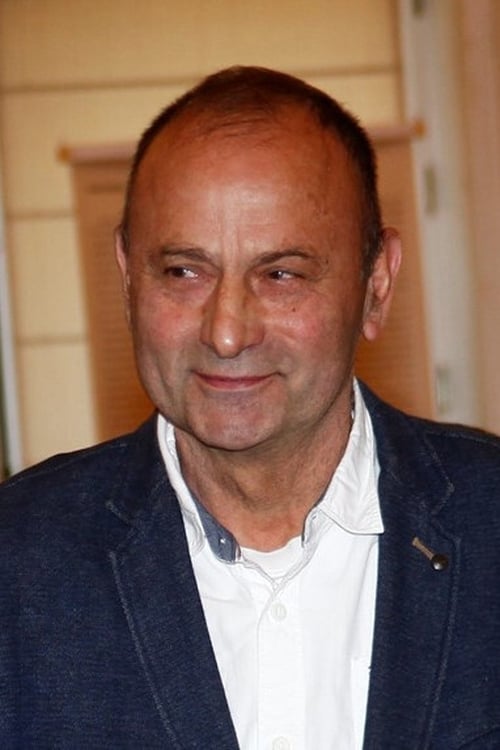
The Bulgarian actor Filip Trifonov was born on May 4, 1947. From 1969 to 1973 he studied acting at the National Academy for Theatre and Film Art, Sofia, Bulgaria in the class of Apostol Karamitev. Even before he finished his education in 1971 Filip Trifonov made his cinema debut in the film "The Test" (directed by Georgi Djulgerov). He played the main role - character Lio. Then he played the title...
Explore all movies appearances
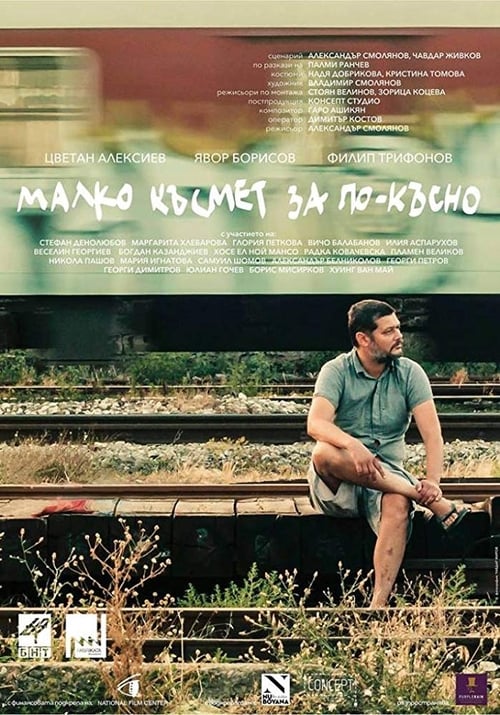
Sofia. A hot July Friday pits two old rivals against each other. Twenty-five years later they are still boxers, albeit this time they are not wearing gloves.
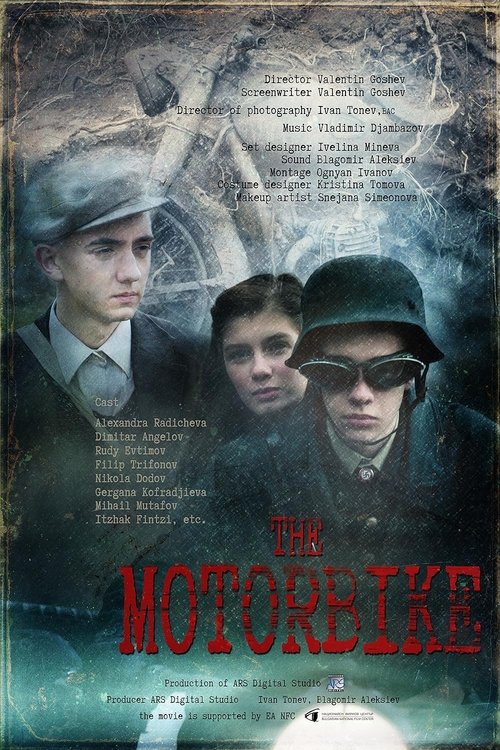
A film about friendship that can endure for years, despite the vicissitudes of historical events. In this film, Slavcho, Evelina and Willy (a German boy their age) are schoolchildren in the village of Barakovo during World War II, where the three first encounter love and hate.

Kireto: The Boy Who Left
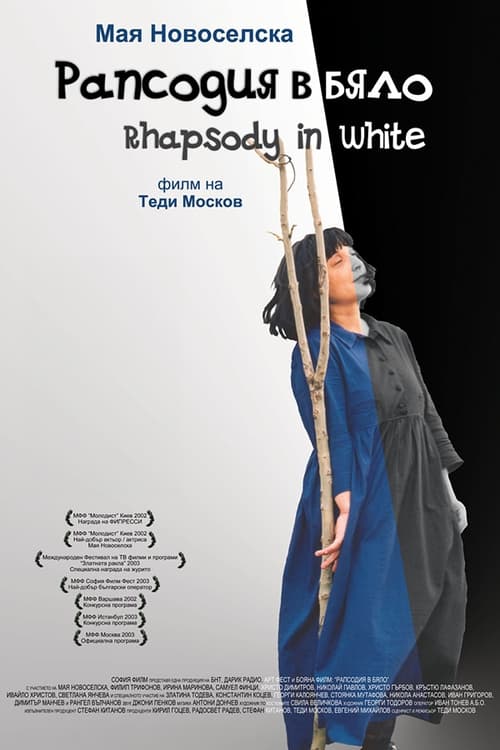
This is a film about the fight against the terrible invincible enemy - the banality of life. Chekhovian provincial hopelessness will creep in, broken by sharp turns of Chaplin-esque humor. A bow to silent cinema and Chekhov.
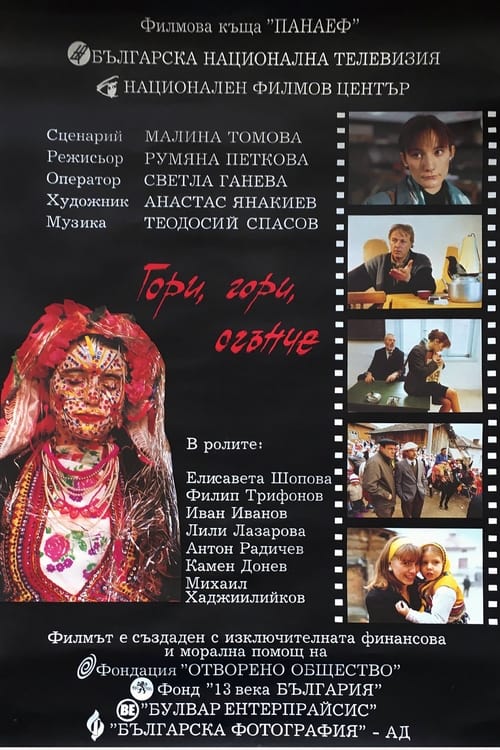
A new teacher - Marina - arrives in a small Pomak village in the late 1960s. She is a woman trying to live and think independently. Marina finds herself in a world unknown to her, at once pure and immaculate, but with the signs of the deformation of natural life that is typical of the whole country. After meeting the Doctor, Bai Mnogoznai, Mariana, the mayor, the internationalist Yosko, she discovers that each resists authority in their own way. And when the government starts changing the non-Bulgarian names of the Pomak villagers, the heroine realizes she is in a prison - with high mountains, forests, rivers - a prison of tragic beauty.
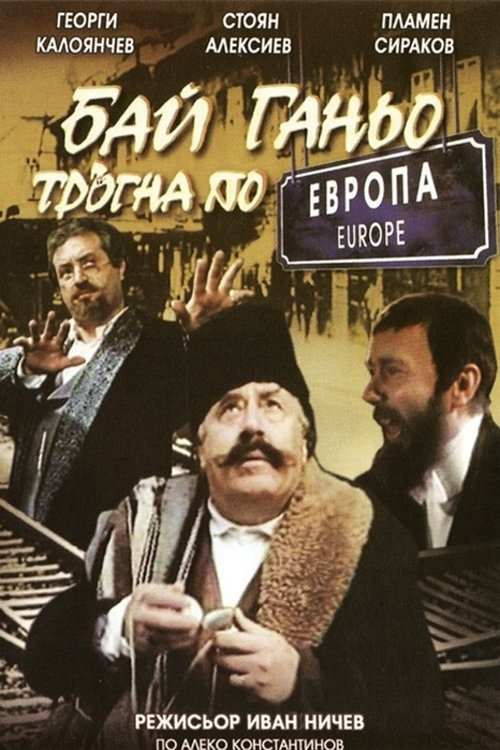
Bay Ganyo is the national anti-hero. He personifies arrogance, insolence, greediness, and the absolute incapability to adopt any civilization principles of relationships. This protagonist was featured by great Bulgarian writer Aleko Konstantinov in the end of 19 c., both with an incredible sense of humor and anguish. Whether being in the Wiener Opera, or visiting a famous scientist at his home, or shopping, or just walking down the streets, this Bulgarian character, Bay Ganyo, is no more than a hopeless barbarian. The film makes new interpretation of this classical literature work. The comic adventures of Baj Ganjo are reconstructed in retro-nostalgic tonality. The final episode when the protagonist appears on the stage of the Wiener Opera among the singers participating in a Mozart's opera is the culmination of the transition of the farce into a tragic comedy.
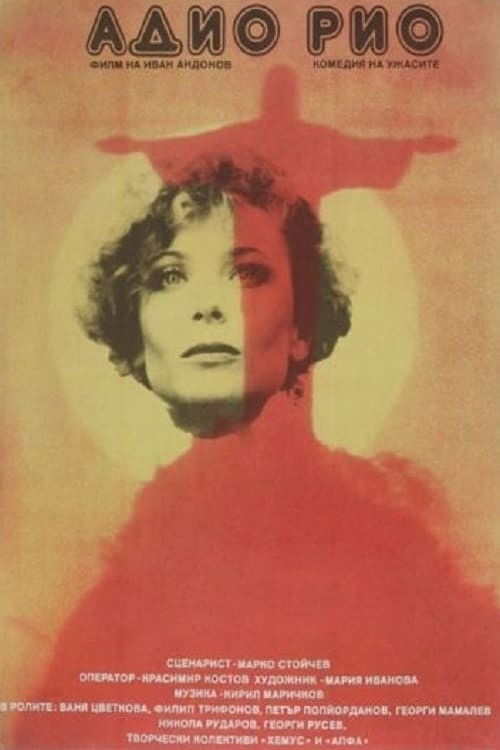
Stoev, a talented architect is working in Rio de Janeiro. All along the design stages, Stoev's understanding has been that he would be going together with his assistant architect. However, the company chief secretly decides to change the terms and go instead of the assistant, threatening Stoev to cancel the whole deal if he doesn't comply. Stoev is left with the dilemma to betray a colleague and friend, or to miss the greatest opportunity in his career. When Stoev is about to choose the former, a mysterious dead body appears in his life.
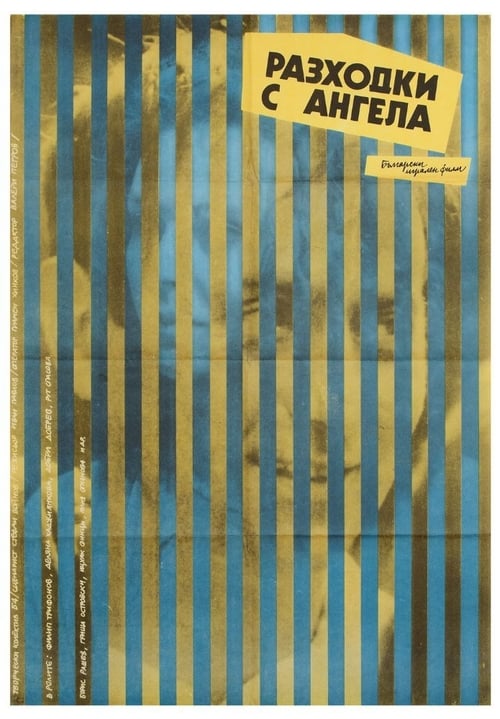
Stephan is a sculptor. He refuses to do work that compromises his integrity. He has a guardian angel he talks to. We can't see him but we can hear his voice commenting on events Stephan gets involved in. As he crosses paths with the Artist, the Professor, the Director, the Poet, the Musician, the Actress and the Beloved, a world of characters arises to display a whole array of personalities and lives that share the spark of the creative spirit but also the lack of successful career. The voice of the angel reflects upon patronage in art and protecting your talent against corruptive forces, yet not through escapism but by learning the rules of the game.

Two friends from their student years are dating. One of them is the director of a peasant school, and the other is an impresario in show business. Memories bring them back to their youth. What have they lost and what have they kept over the years? These questions are answered by the heroes at dawn, after a stormy night.
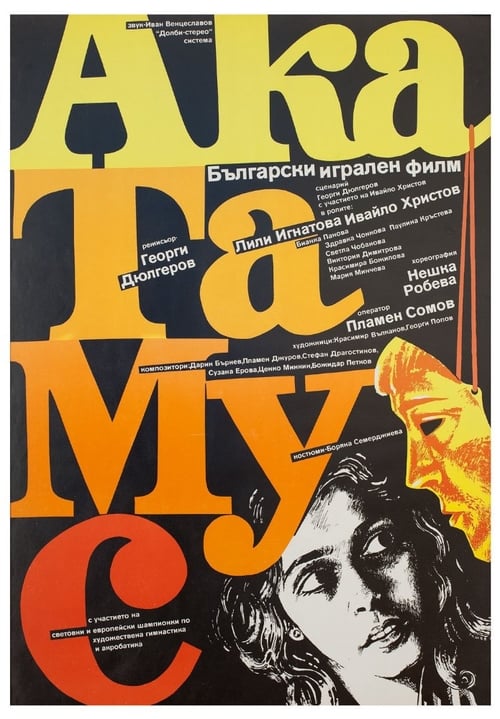
Two eternal opposing theses - play is our life or life is our play - are the base of music, dance and verse which fit together in this film.
Subscribe for exclusive insights on movies, TV shows, and games! Get top picks, fascinating facts, in-depth analysis, and more delivered straight to your inbox.