Action
Adventure
Animation
Comedy
Crime
Documentary
Drama
Family
Fantasy
History
Horror
Music
Mystery
Romance
Science Fiction
Thriller
War
Western
Explore all movies appearances

City of Toys (2024, 39mins) combines Alan Marcus’ 2001 interview with legendary filmmaker Leni Riefenstahl with an exploration of centuries of antisemitism. As she recalls of her iconic 1935 documentary, Triumph of the Will, on the annual Nuremberg Nazi Party Rally almost seventy years later: “I had no ideals. I only did my duty. It was a commission I carried out.” Beyond its notoriety in 20th century history, Nuremberg was also known as one of the toymaking capitals of the world and until the Nazi era many of its major toymakers were Jewish. Nuremberg still hosts the world’s largest trade toy fair. The film subtly intertwines narratives on Adolf Hitler and Riefenstahl’s representation of the Nazi movement with Nuremberg’s historical bedrock of antisemitism and the role of its Jewish toymakers. As film historian Robert Rosenstone has written of Marcus’ work, “I would call it a kind of poetic history that may in fact deny the possibility of history at all.”
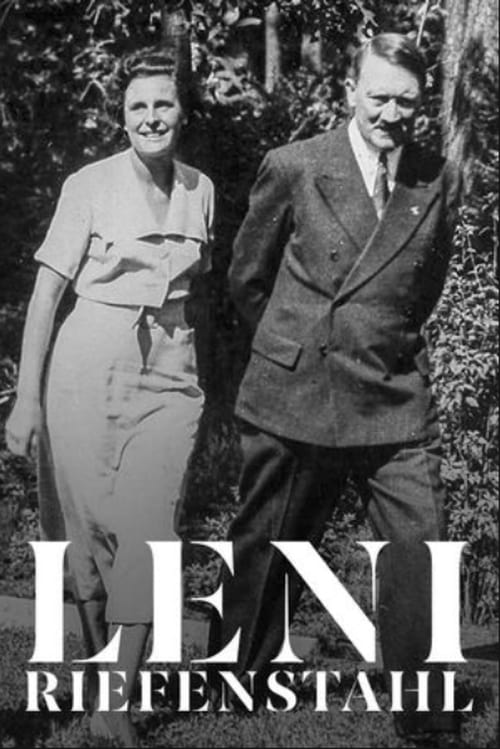
Countless people around the world know the pictures from Leni Riefenstahl's films, even if they have not seen them in their entirety. The work of the German director has burned itself into the collective memory. Even decades after the end of the Nazi era, she showed no remorse and presented herself as an apolitical, naive follower of the Nazi criminal regime. Her artistic service for the cinema was always recognized. But book author Nina Gladitz shows after decades of research that Hitler's favorite filmmaker was not only a follower, but also a perpetrator during the Third Reich, who instrumentalized other filmmakers such as the brilliant cinematographer Willy Zielke in order to gain fame for herself.

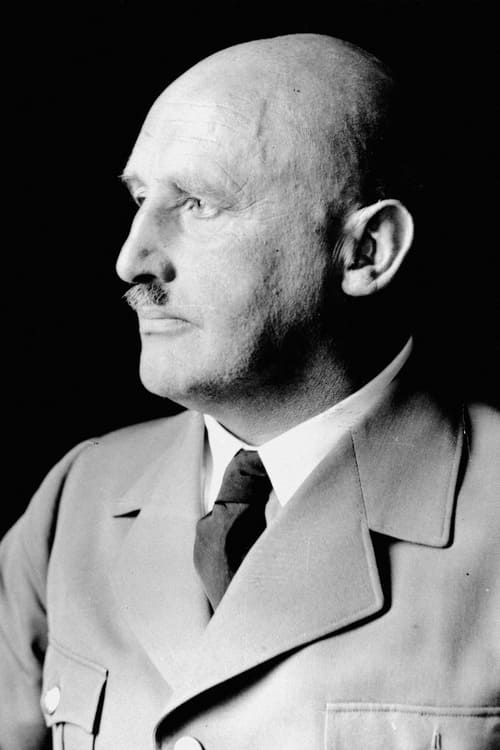
Even high Nazi leaders like Joseph Goebbels and Hermann Göring were almost contemptuous of this party comrad, and yet he was one of the most influential figures in the Third Reich: Julius Streicher, publisher of the anti-Semitic weekly "Der Stürmer", responsible for the worst propaganda and infamous for his corrupt and violent regime as Gauleiter of Franconia. By the Allies he was considered a symbol of Nazi hatred of the Jews. In 1946 he was sentenced to death in Nuremberg and executed.

Romm pulls out all the stops in its selection of documentary material to draw the viewer not only into absolute horror about fascism and nazism in the 1920s–1940s Europe, but also to a firm conviction that nothing of the sort should be allowed to happen again anywhere in the world.
Filmmaker Alain Resnais documents the atrocities behind the walls of Hitler's concentration camps.
Prague, during World War II. Hana Kaufmann, a Jewish ophthalmologist, marries Dr. Antonín Bureš, a Christian man. When her family is sent to the Theresienstadt concentration camp, their romance turns into a struggle for survival.
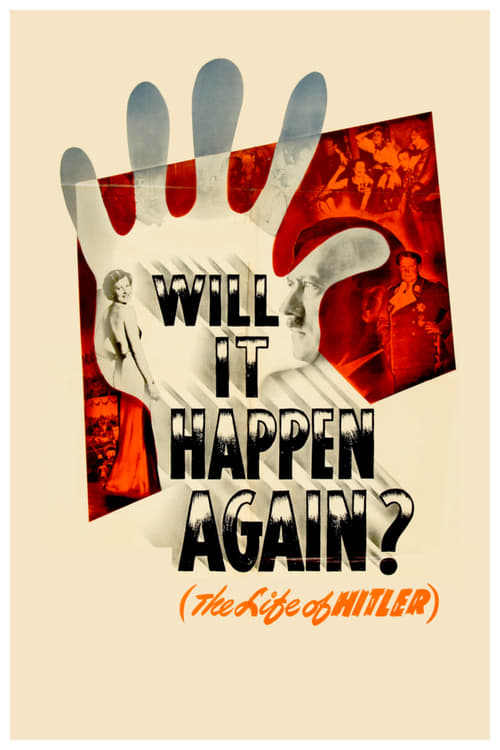
An account of Adolf Hitler's rise and fall, his relationship with Eva Braun and their days of leisure at the Berghof, their Bavarian residence.
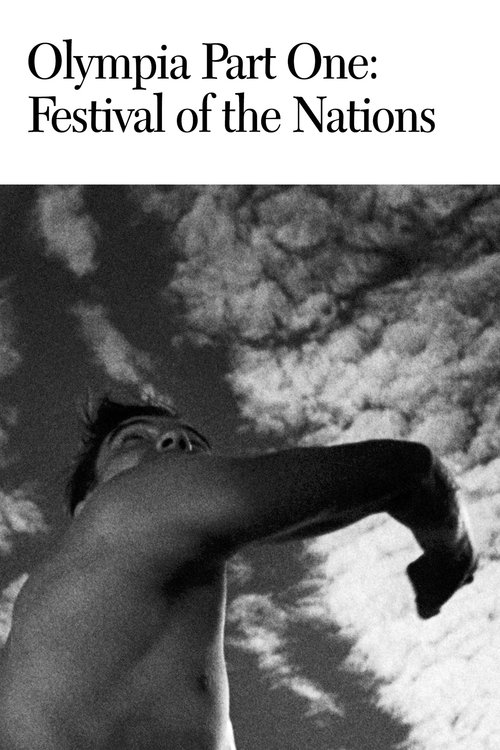
Starting with a long and lyrical overture, evoking the origins of the Olympic Games in ancient Greece, Riefenstahl covers twenty-one athletic events in the first half of this two-part love letter to the human body and spirit, culminating with the marathon, where Jesse Owens became the first track and field athlete to win four gold medals in a single Olympics.
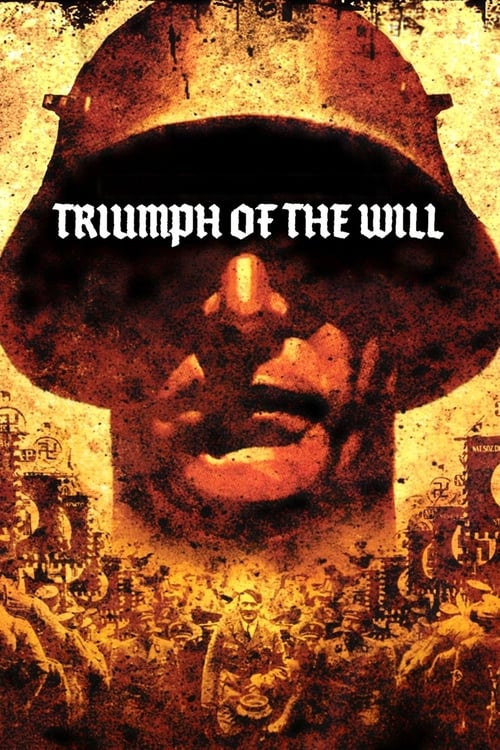
A showcase of German chancellor and Nazi Party leader Adolf Hitler at the 1934 Nuremberg Rally.
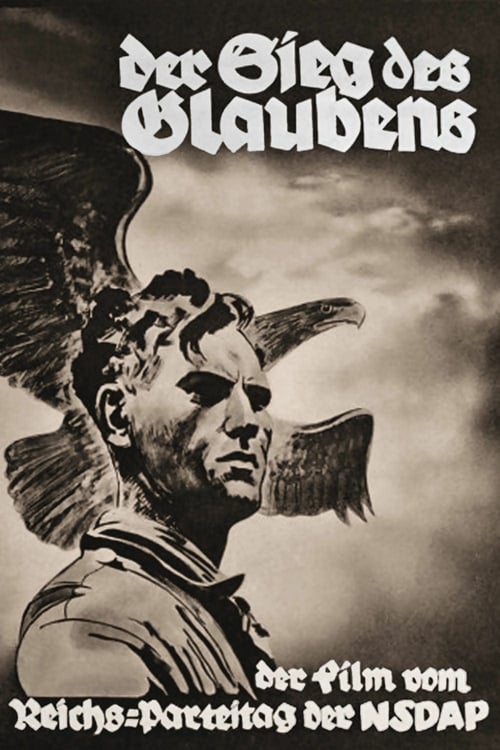
Follows the Fifth Nazi Party Rally (Nuremberg, 30 August–3 September 1933) and shows the then close relationship between Adolf Hitler and Ernest Rõhm.
Subscribe for exclusive insights on movies, TV shows, and games! Get top picks, fascinating facts, in-depth analysis, and more delivered straight to your inbox.