
Action
Adventure
Animation
Comedy
Crime
Documentary
Drama
Family
Fantasy
History
Horror
Music
Mystery
Romance
Science Fiction
Thriller
War
Western
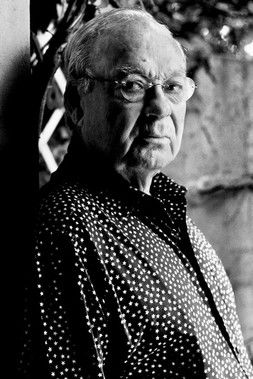
Maurice Sinet, known as Siné, is one of the leading figures of French satirical cartooning, renowned for his dark humor, fierce anticlericalism, and radical political commitments. His life was inextricably linked to a passion for drawing, jazz, and anti-colonial activism. Maurice Albert Sinet was born in Paris, in a working-class neighborhood in the east of the city, at the end of 1928, into a mo...
Enjoying the content? Support us!
Explore all movies appearances
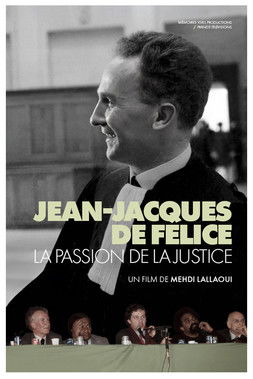
From the rights of minors before the juvenile court, young offenders from the neighborhoods of eastern Paris, or children of Algerian origin from the shantytowns of Nanterre, to the defense of colonized Kanaks and Polynesians; from the fight for conscientious objector status to the denunciation of torture and the death penalty, lawyer Jean-Jacques de Félice has been involved in every struggle. His pacifism knows no bounds: with organizations like Cimade, LDH, and the Louis-Lecoin Committee, he assists draft dodgers in numerous countries. These include Portuguese conscientious objectors refusing to fight in the wars in Angola and Mozambique, American deserters opposed to the Vietnam War, and Israeli objectors refusing to serve in the Occupied Territories. It is no surprise that, as early as 1971, he was one of the very first lawyers representing the farmers of the Larzac plateau.
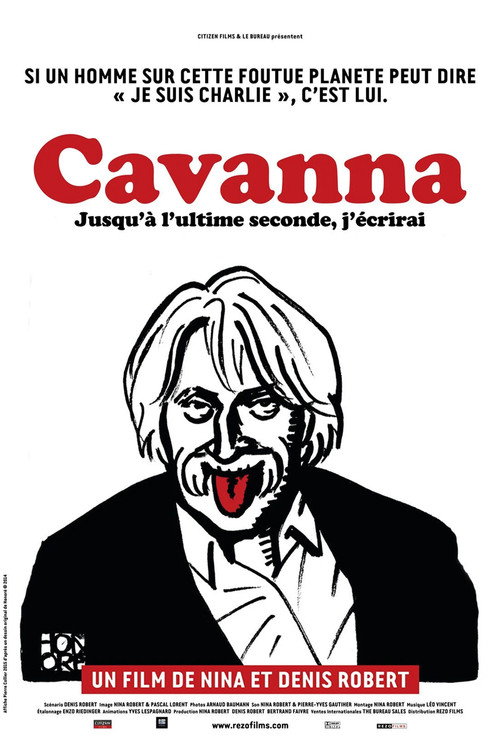
A feature-length documentary about François Cavanna—creator of the publications Charlie Hebdo and Hara-Kiri—who passed away on January 29, 2014. His influence on several generations of writers, journalists, and comedians is far too little known. While older audiences are aware that he co-founded Hara-Kiri and Charlie Hebdo with Choron, the dozens of books and collections he wrote or contributed to remain largely unfamiliar. People chiefly remember his early autobiographical works—such as *Les Ritals*, *Les Russkoffs*, and *Bête et méchant*—while overlooking his historical novels, encyclopedias, and polemical writings like *Stop crève…* The film draws on interviews with Cavanna conducted shortly before his death, forgotten archival footage, and previously unheard testimonies from figures such as Siné, Willem, Delfeil de Ton, and Sylvie Caster.
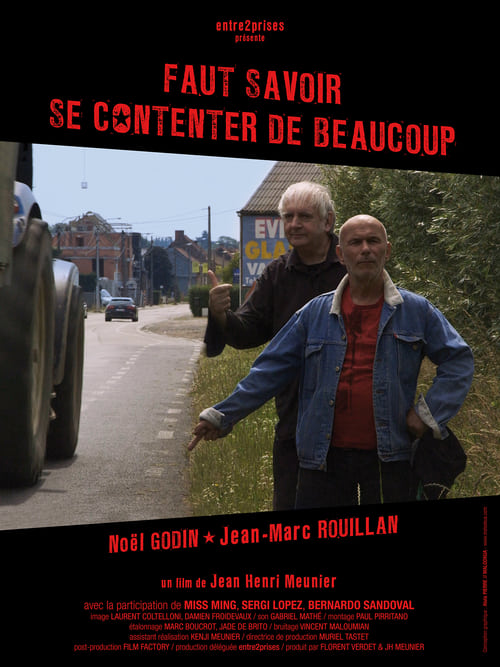
Revolution isn't a piece of cake, not even for Noël, the anarcho-burlesque agitator and imperial troublemaker of the international pastry world. And since the road from the great night to the radiant dawn is long, you might as well do it in a Cadillac. Provided, of course, you can find one, because Cadillacs are like the Indignados: the more you talk about them, the fewer you find. But when it comes to getting behind bars, it's still classier than a cell in La Santé prison. Jean-Marc wouldn't disagree. A persevering man, Jean-Marc, not the type to give up. With him, you have to be content with a lot. Long drawn to direct action, he discovers with Noël the charms of a guerrilla revolution. And together they lead us down the back roads, beyond the barriers, guided by the Muses and by chance encounters, irresistibly drawn in by the quest for a better world.
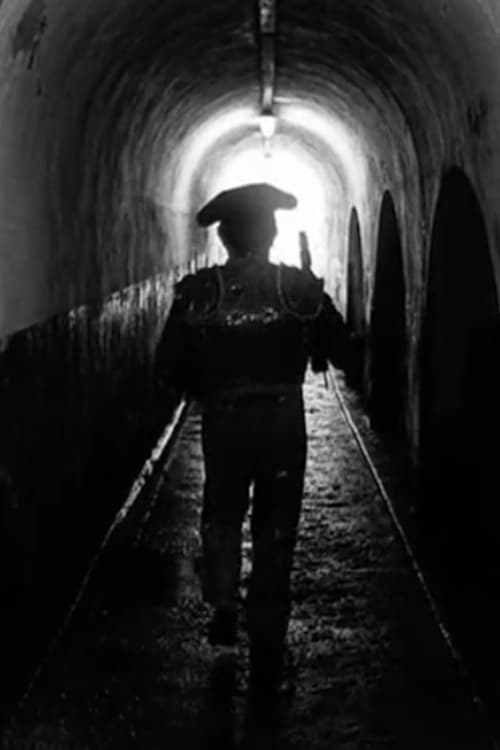
The cinema of Benoît Delépine and Gustave Kervern is reminiscent of the one of Fernando Arrabal. This is why the two troublemakers of "Groland" invited the septuagenarian filmmaker to make an appearance in their film "Avida". This documentary, peppered with film excerpts, follows the Groland festival's progress with Arrabal as president.

On September 5, 1960, the trial of about twenty French activists from the "Jeanson Network" began, supporters in the metropolis of the action of the Algerian FLN independence activists. But after a few days, the situation was reversed and the trial transformed into a political arena, it was the government, the army, their policy, it was the entire Algerian war whose trial began. Accused, witnesses, lawyers, overflowing a stunned court, transformed the courtroom into a tribune of the opposition. The trial coincided with the publication of the "Manifesto of the 121" on the right to insubordination, signed among others by Jean Paul Sartre, Arthur Adamov, Simone de Beauvoir, André Breton, Marguerite Duras, Pierre Boulez, René Dumont, François Chatelet…
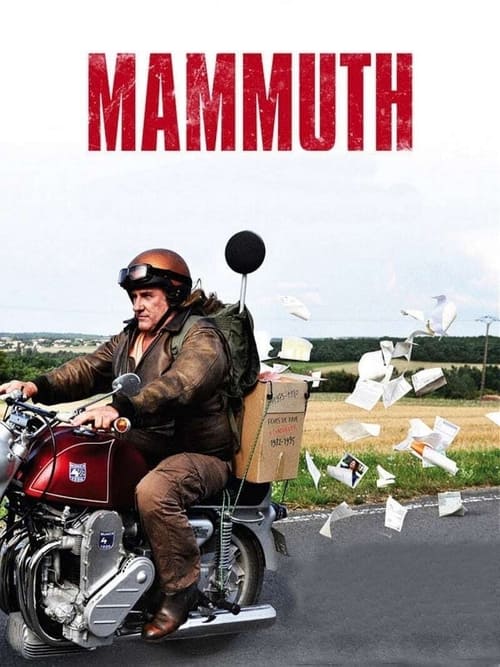
Serge Pilardosse has just turned 60. He has worked since the age of 16, never unemployed, never sick. But the hour of retirement has come, and it is disillusionment: he is missing points, some employers having forgotten to declare it! Pushed by Catherine, his wife, he gets on his old motorcycle from the 70s, a "Mammut" which earned him his nickname, and sets off in search of his pay slips. During his journey, he rediscovers his past and his quest for administrative documents soon becomes incidental...
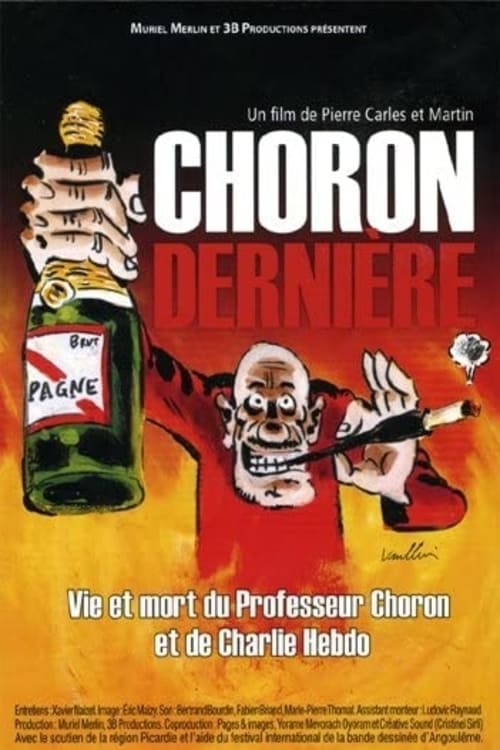
Georges Bernier, alias Professor Choron, died January 10, 2005. He was 75 years old. The few death notices that appeared in the French press mainly focused on the scatological nature of his humor, or on the good man's provocative side. No one recalled the essential, which was that with his passing not only had one of the great proprietors of the French press disappeared, but he'd taken with him an artist in his own right, quite unique in his own way : Professor Choron.
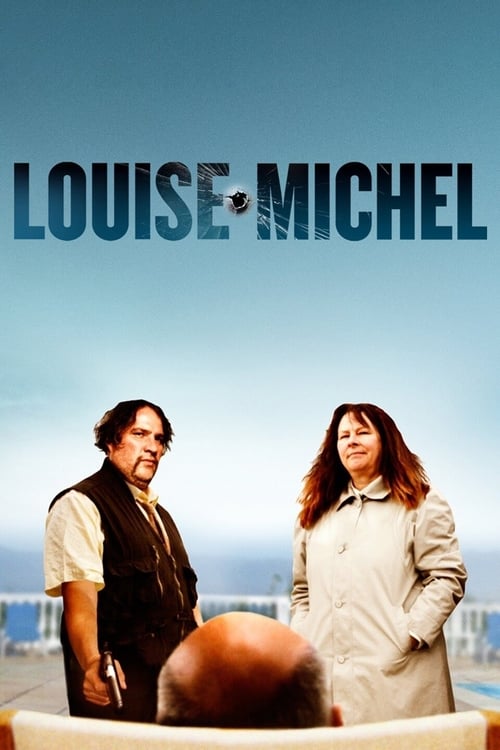
In this radical and endearing black comedy, a group of retrenched female factory workers decide to pool their compensation money… and hire a hit man to liquidate their boss.
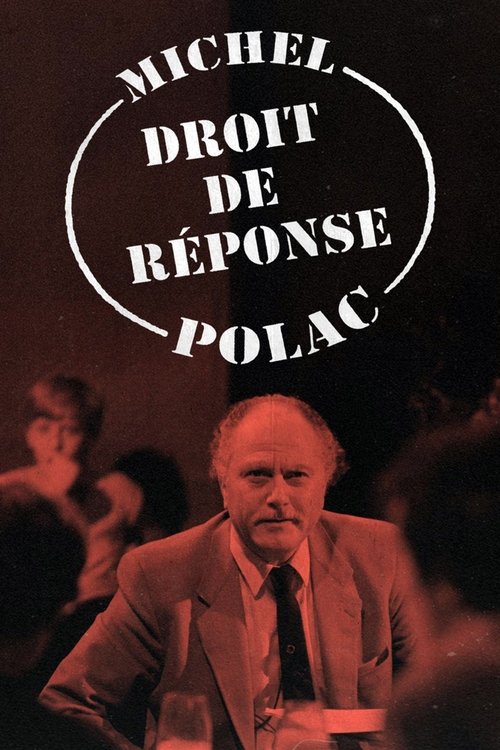
"Droit de Réponse" (Right of Reply) is a French debate program broadcast between December 12, 1981 and September 19, 1987 on the TF1 channel, presented by Michel Polac and produced by Maurice Dugowson. Broadcast live on a weekly basis, on Saturdays from 8.30 p.m., the right of reply has been the source of many controversies, due to the various speakers who have come to present their point of view on the show (which leads to famous scandals , remained in the memory of viewers), but also for the variety and relevance of the topics covered, which ensured the success of the program on the air for several years. On French television, this program is considered by some observers as a “pioneer program in terms of controversy-show or clash, in modern language”.
Feature film.
Subscribe for exclusive insights on movies, TV shows, and games! Get top picks, fascinating facts, in-depth analysis, and more delivered straight to your inbox.