
Action
Adventure
Animation
Comedy
Crime
Documentary
Drama
Family
Fantasy
History
Horror
Music
Mystery
Romance
Science Fiction
Thriller
War
Western
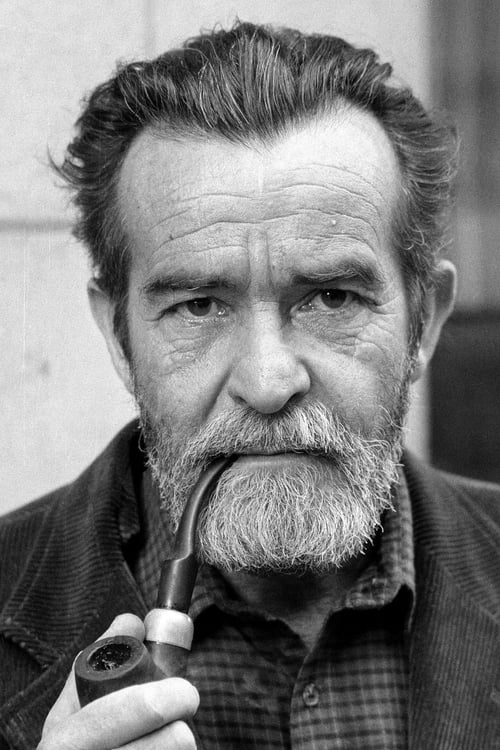
Harold Athol Lanigan Fugard (June 11, 1932 – March 8, 2025) was a South African playwright, novelist, actor and director. Widely considered South Africa's foremost playwright, he is best remembered for his anti-apartheid plays such as "Master Harold"...and the Boys and Blood Knot.
Explore all movies appearances

When everything about you falls one man decides that theatre is the key, and the way to begin to unify a people. A film about the life and times of The Space theatre (a.k.a. 'The Space', 'Die Ruimte' in Afrikaans, and 'Indawo' in Xhosa).
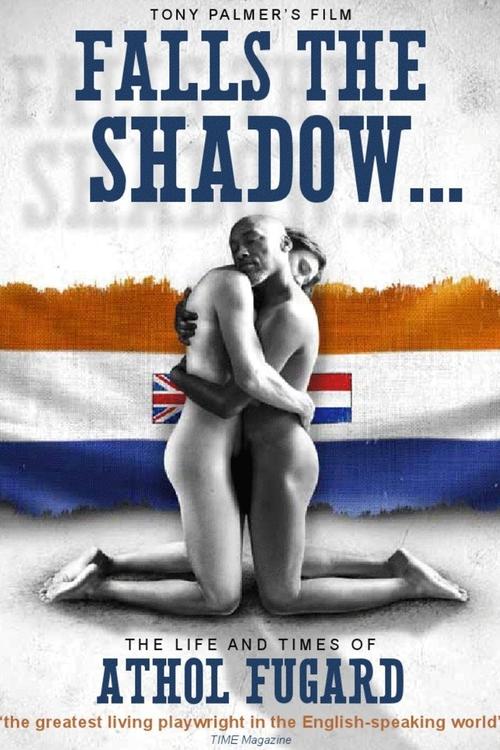
Director Tony Palmer tells the incredible life story of Athol Fugard, the prolific playwright, novelist, and director who exposed the horrors of South Africa's apartheid system for the entire world to see. Interviews with Desmond Tutu, Nelson Mandela, Yvonne Bryceland and others help to illuminate Fugard's remarkable legacy.
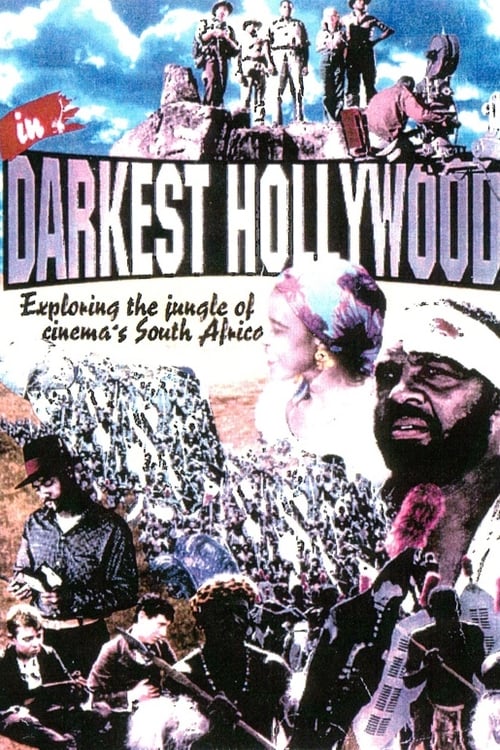
A documentary overview and ideological critique of the South African film industry and cinema's historical relationship with apartheid.

An eldery lady, living in (litterally) the middle if nowhere, and fed up with small minded apartheid ideology starts escaping into her own world of sculpting in her own back yard and along with her (coloured) assistant Malgas, creates a world of wonder in the desert. A true story by playwrite Athol Fugard with great performances all round.
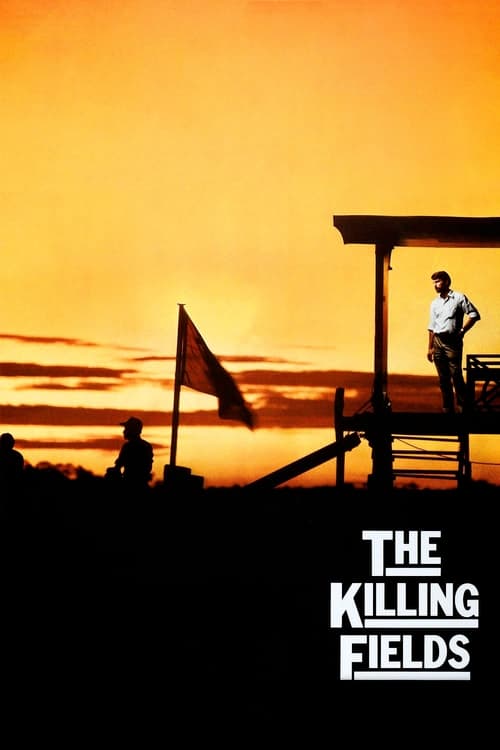
New York Times reporter Sydney Schanberg is on assignment covering the Cambodian Civil War, with the help of local interpreter Dith Pran and American photojournalist Al Rockoff. When the U.S. Army pulls out amid escalating violence, Schanberg makes exit arrangements for Pran and his family. Pran, however, tells Schanberg he intends to stay in Cambodia to help cover the unfolding story — a decision he may regret as the Khmer Rouge rebels move in.
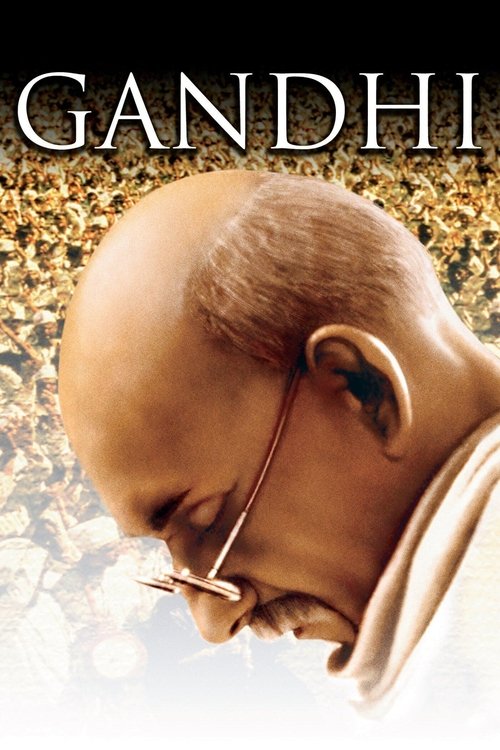
In the early years of the 20th century, Mohandas K. Gandhi, a British-trained lawyer, forsakes all worldly possessions to take up the cause of Indian independence. Faced with armed resistance from the British government, Gandhi adopts a policy of 'passive resistance', endeavouring to win freedom for his people without resorting to bloodshed.
The play, Sizwe Bansi is Dead, follows the main character, Sizwe, as he writes to his wife after an unsuccessful search for a new job and better life for his family. This film places the viewer in the discussions between the writers of the play: Athol Fugard, John Kani and Winston Ntshona as they attempt to explain and re-write the play.
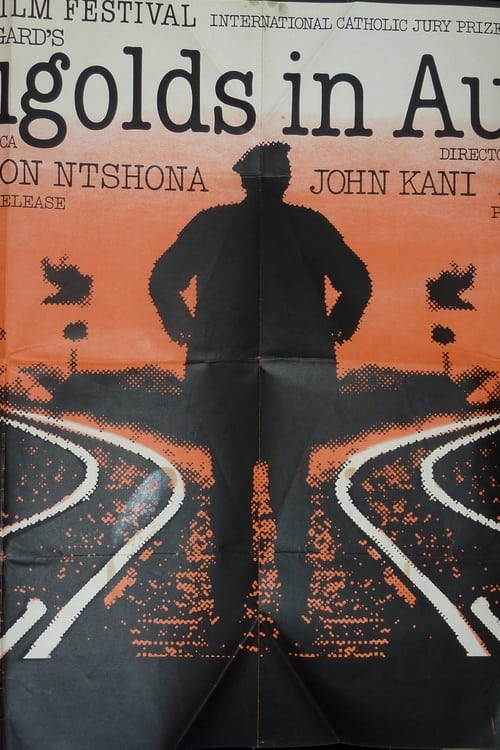
Marigolds in August was written by Athol Fugard, who in the early 1980s was South Africa's most celebrated playwright. Fugard's intense political opinions were enough for the USSR to object to Marigolds being shown in the 1980 Berlin Festival, but the objections were dropped when it was learned that Fugard had already built up a strong fan following in Eastern Europe (for various reasons, the film was not released in the US until 1984). Winston Ntshona stars as a black South African gardener who travels by foot into the white community looking for a job. Upon arriving, Ntshona discovers that another black, John Kani, may have been hired for that job. Ntshoa ruins the chances for himself and Kani by accusing the other man of planning a theft. Both men are eventually hired by a fellow outcast, a white poacher (played by Anthol Fugard himself). The message would seem to be that if the have-nots of the world stick together, it matters little how badly they're treated by the "haves."
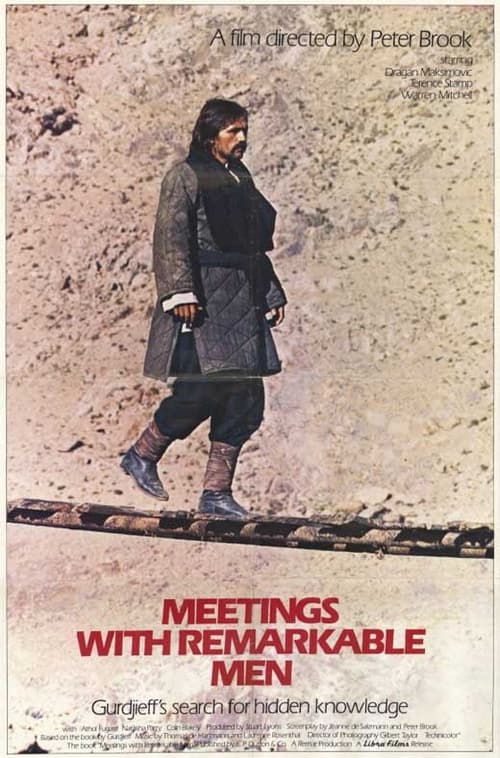
The story of G.I. Gurdjieff an Asian mystic who after a lifetimes study developed a form of meditation incorporating modern dance.
An episode in the Life of Eugène Marais
Subscribe for exclusive insights on movies, TV shows, and games! Get top picks, fascinating facts, in-depth analysis, and more delivered straight to your inbox.