
Action
Adventure
Animation
Comedy
Crime
Documentary
Drama
Family
Fantasy
History
Horror
Music
Mystery
Romance
Science Fiction
Thriller
War
Western
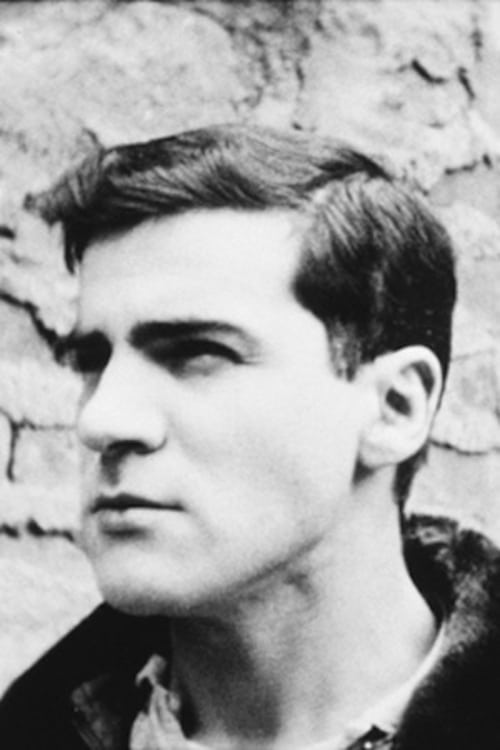
Willard Maas (b. 24 June 1906 - 2 January 1971) was an American experimental filmmaker and poet. He was the husband of filmmaker Marie Menken. The couple achieved some renown in New York City's modern art world of the 1940s through the 1960s, both for their experimental films and for their salons, which brought together artists, writers, filmmakers and intellectuals. According to their associate,...
Explore all movies appearances
A fragment of an abandoned, long work concerning St. Teresa of Avila. A sexual orgy symbolizing the decadance of modern society. Maas, who acts in this film, plays the devil while a wild orgy goes on in his living-room. There is the fantastic drag queen doing her job in the bathroom while frenzied love-making, to the incomparable baroque-jazz music of Tiji Ito, is carried on in Maas's baroque apartment. The camera in bird-swift flight depicts a scene of total decadence as Andy Warhol's Jackie Kennedy careens through the air. By way of explanation: the opening scene shows the director handing out masks to the actors-the same ones used in LSD WALL by John Hawkins. The taking of LSD was part of the original script.
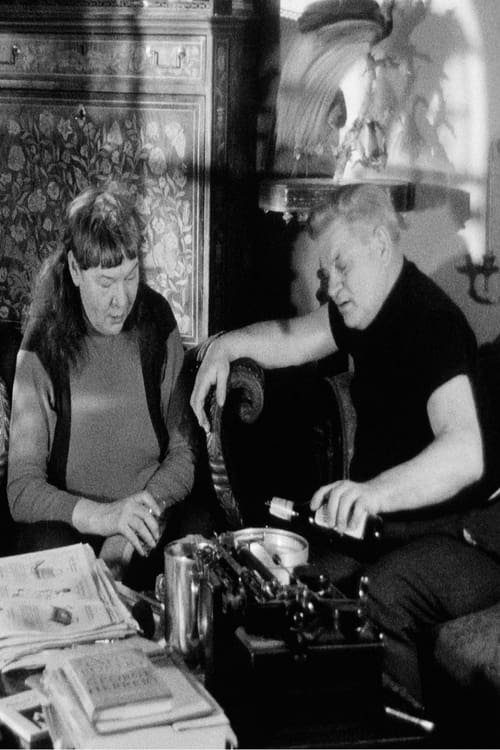
“Andy Warhol called Marie Menken and Willard Maas ‘the last of the great bohemians,’ and, in 1965, made Bitch, his real-life parody of Edward Albee’s play Who’s Afraid of Virginia Woolf?, with Willard and Marie sitting on the couch in their living room, drunk and arguing on a Sunday afternoon. Unscripted, shot with a stationary camera in his signature home-movie documentary style, Warhol’s Bitch has never before been seen by the public—until now…” (Philip Gefter).
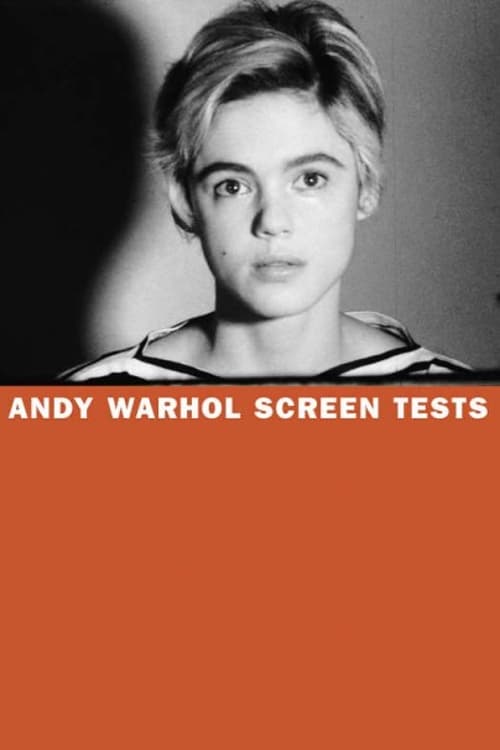
The films were made between 1964 and 1966 at Warhol's Factory studio in New York City. Subjects were captured in stark relief by a strong key light, and filmed by Warhol with his stationary 16mm Bolex camera on silent, black and white, 100-foot rolls of film at 24 frames per second. The resulting two-and-a-half-minute film reels were then screened in 'slow motion' at 16 frames per second.
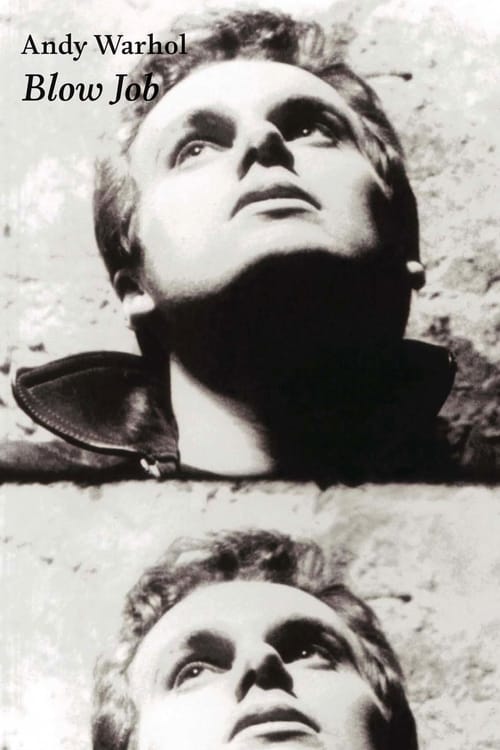
Andy Warhol directs a single 35-minute shot of a man's face to capture his facial expressions as he receives the sexual act depicted in the title.
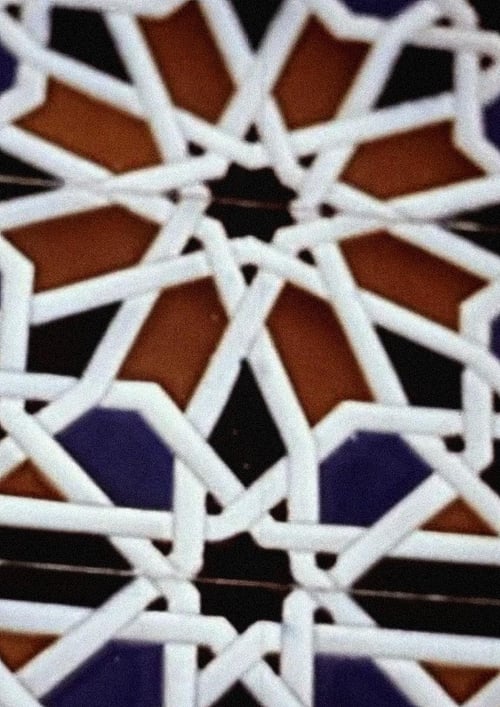
Filmed at the Alhambra in Spain in just one day, according to Marie Menken. Arabesque for Kenneth Anger concentrates on visual details found in Moorish architecture and in ancient Spanish tile. The date 1961 refers to the addition of Teiji Ito's soundtrack and its subsequent completion, but the film was likely shot in 1960 or earlier. - David Lewis

A film poem, a re-telling of the Greek myth in modern terms. In the traditional pool the water has become muddy and Narcissus finds that mirrors are more rewarding for the study of his changing reflections. There are three mirrors, each reflecting a dramatic study in self-love. The first, love that deserves the adoration of the opposite sex; the second, homosexual love that investigates itself and its own sex; the third, love that insures one a place in the present and history.
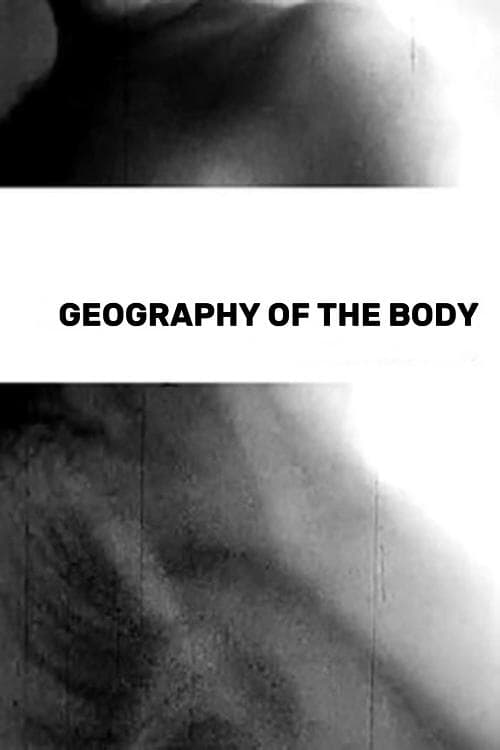
A quotation from Aristophanes, "The desire and pursuit of the whole is called love," precedes views of a man and a woman's bodies, often in extreme close up. Off-screen, a voice recites fragments of oracular literature and purple prose. We see an eye, an ear, a mouth, a tongue, bits of hair, a hand, the tips of fingers, toes. Occasionally, the frame includes a larger scape of a body: a chest, a back, a breast. Usually the camera is stationery; sometimes, it moves across a body, remaining in close up. They hold hands for one moment. The bodies are without clothes; no genitalia are visible.
Subscribe for exclusive insights on movies, TV shows, and games! Get top picks, fascinating facts, in-depth analysis, and more delivered straight to your inbox.