Action
Adventure
Animation
Comedy
Crime
Documentary
Drama
Family
Fantasy
History
Horror
Music
Mystery
Romance
Science Fiction
Thriller
War
Western
Explore all movies appearances
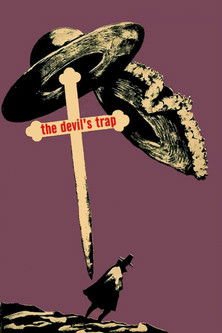
A small town is one day visited by a priest who is there on a secret mission. He is a member of the Inquisition sent to investigate the activities of a local miller. The miller and his son are the descendants of an old family whose ancestral home burned down a century ago, but was rebuilt from scratch. The miller inherited much of his knowledge about the land, water, and a building's stability from generations of family experience. His reputation for finding water and predicting when a structure might collapse have come to the attention of the Inquisition -surely he must be in league with the Devil.
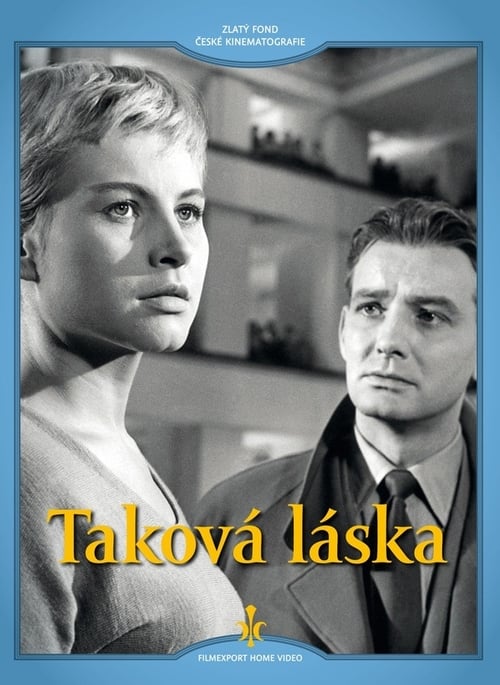
A student commits suicide out of unhappy love to a married man; story is recounted in retrospective by a "judge" who asks the audience to decide who is the guilty party.
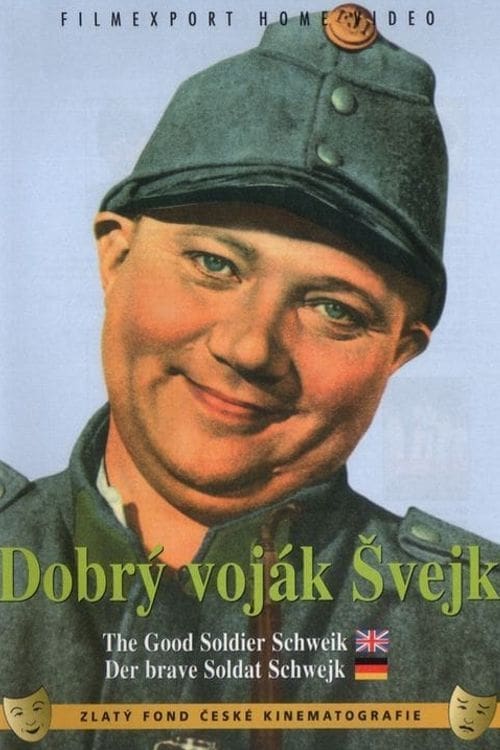
Good-natured and garrulous, Schweik becomes the Austrian army's most loyal Czech soldier when he is called up on the outbreak of World War I -- although his bumbling attempts to get to the front serve only to prevent him from reaching it. Playing cards and getting drunk, he uses all his cunning and genial subterfuge to deal with the police, clergy, and officers who chivy him toward battle.
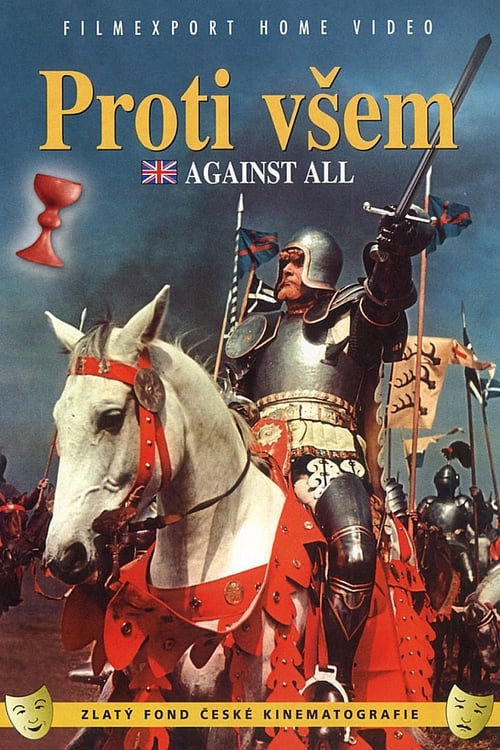
After the battle of Sudoměř the Hussite teaching spreads through the whole country and people start leaving their homes to help build the fortification of Tábor. Prague citizens request help against the army of Zikmund. The Hussite army with Jan Žižka in the lead make their way towards Prague. They fortify themselves on the mountain Vítkov and engage in a bloody battle with Zikmund’s huge army.

The film, in individual episodes, captures the fate of Bedřich Smetana from 1856 until the end of his life, from his young years until the moment when, exhausted by human and artistic hardship, he sees the fulfillment of his great dream, the opening of the National Theatre.
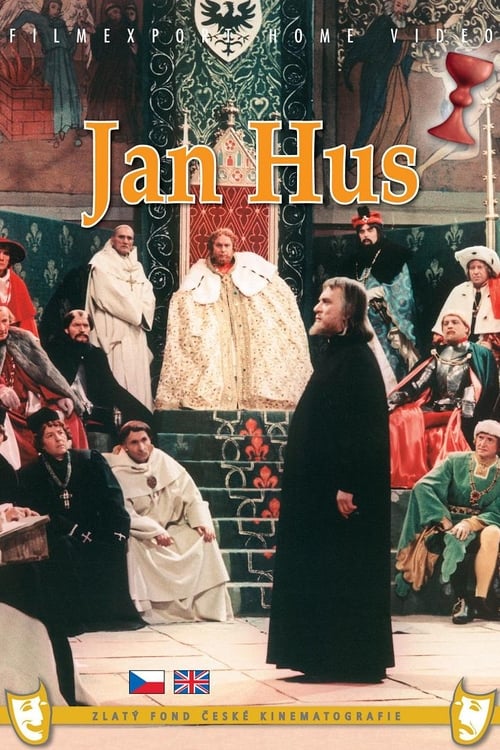
The first part of the "Hussite Revolutionary Trilogy", completed with Jan Žižka (1955) and Proti všem (Against All Odds, 1957). The film captures the period from May 1412 to the summer of 1415, a turbulent time in the Czech Kingdom, during which there were protests in Prague against the sale of "omnipotent indulgences" whose sale throughout the kingdom was announced by Pope John XXIII. The ideological leader of this movement is the preacher Master Jan Hus, whose words, calling for the elimination of church abuses, are listened to in the Bethlehem Chapel by thousands of ordinary Praguers, Czech lords and Queen Sophie, wife of the Czech King Wenceslas IV.

In the last days of the war, American planes bomb a synthetic gasoline plant in the Sudetenland. The workers are then faced with the enormous task of building a new plant on the site of the ruins and starting production. Their efforts are truly bearing fruit - after immense sacrifices, Stalin's plants are back in full swing, which is something that competitors abroad don't like to see and they try to use the reaction to liquidate the production of synthetic gasoline...
No plot available for this movie.
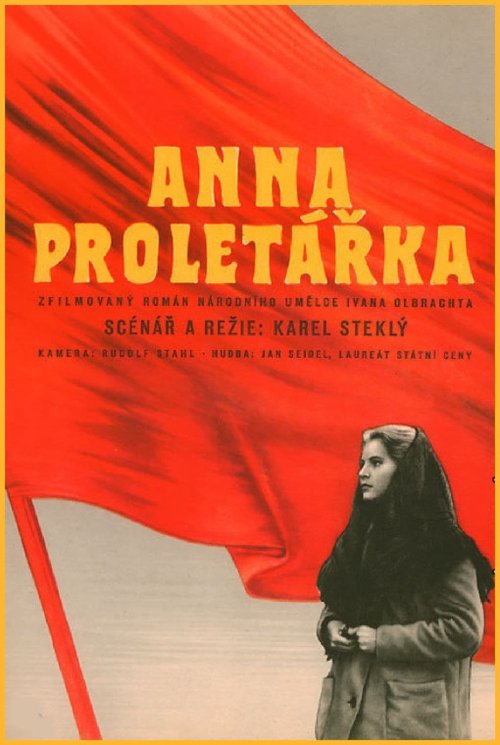
The movie describes proletarian life in the Czech Lands after World War I.
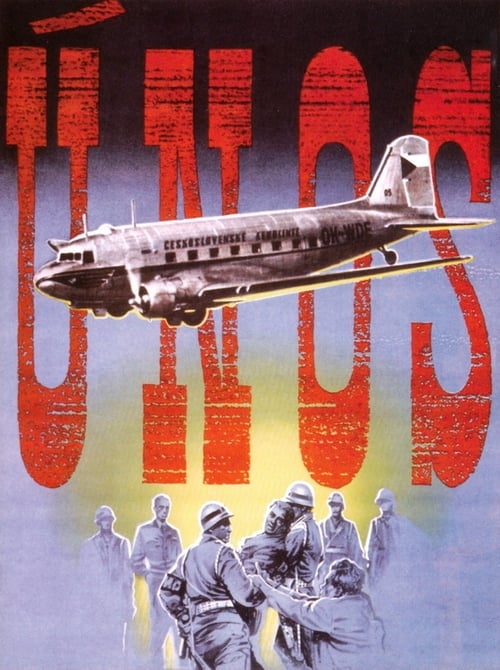
American agents hijack a plane on the Ostrava-Prague route to launch a campaign against the People's Democratic Czechoslovakia. The plane lands in West Germany, but the Americans have an unexpected problem convincing the hijackers to stay in the West. Based on a true story.
Subscribe for exclusive insights on movies, TV shows, and games! Get top picks, fascinating facts, in-depth analysis, and more delivered straight to your inbox.