
Action
Adventure
Animation
Comedy
Crime
Documentary
Drama
Family
Fantasy
History
Horror
Music
Mystery
Romance
Science Fiction
Thriller
War
Western
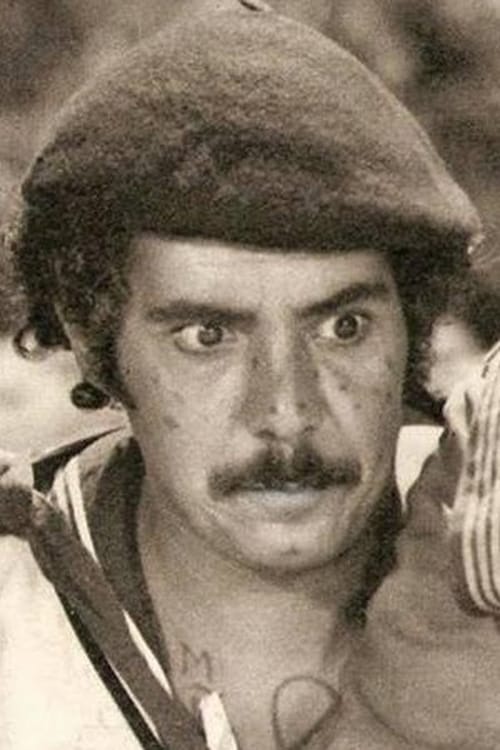
Flávio Corrêa de São Thiago (Rio de Janeiro, May 22, 1945 – Rio de Janeiro, September 14, 2002) was a Brazilian actor.
Explore all movies appearances

In six decades, Teatro Oficina has done more than revolutionize theatrical language in the country: the aesthetic influence of José Celso Martinez Corrêa's company extends from Tropicalism to the renewal of Brazilian audiovisual languages from the 1960s onwards. The film revisits a story that it involves personalities such as Caetano Veloso, Glauber Rocha, Lina Bo Bardi, Chico Buarque and Zé do Caixão, brings together scenic art, ecology, architecture and sexuality, and mixes art and life in the search for a Brazilian based language.

Ulisses has failed in his professional life, but leads a happy life with his wife Ângela and their two daughters. Until the day he is introduced to Bárbara, a very beautiful woman living in Rio de Janeiro. Ângela becomes her friend and gives her the dress Ulisses had given her. From then on, marital problems arise, and he becomes increasingly attracted to Bárbara.

After a chance encounter on the elevator, the lives of Mary Ann, a widowed English teacher, and Pedro, a recently divorced man, intersect against the hot backdrop of Rio de Janeiro.

Policarpo is a chauvinistic patriot, a major who tries to find solutions for Brazilian problems using only the resources of his own country. His visionary and idealistic temperament is behind his strange ideas about how to build a great nation.
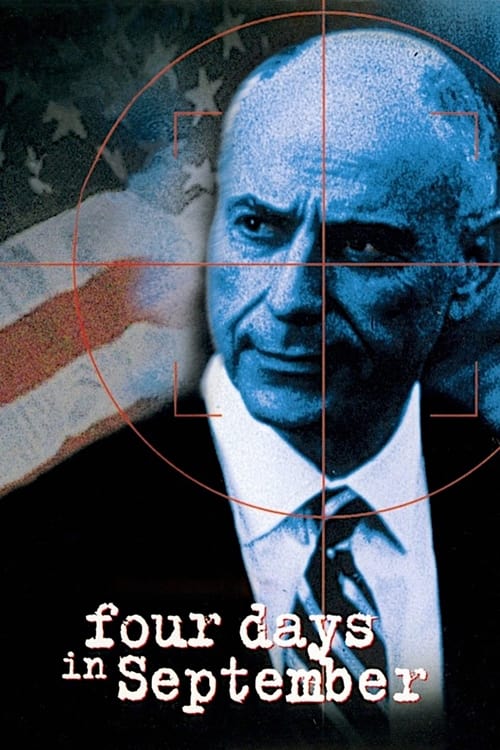
Fernando, a journalist, and his friend César join terrorist group MR8 in order to fight Brazilian dictatorial regime during the late sixties. César, however, is wounded and captured during a bank hold up. Fernando then decides to kidnap the American ambassador in Brazil and ask for the release of fifteen political prisoners in exchange for his life.

In the 18th century in a forgotten town, young Benedicta is the executioner's daughter. Monk Ambrosius, newly arrived at the village, pities the girl but his interest in her unleashes the jealousy of Rochus and the conflict between passion and celibacy begins.

Henry Czerny plays American journalist Michael Coleman, a strung-out expatriate writing for a Brazilian newspaper. His professional obsession is Father Stephen Louis, a mildly popular and charismatic priest who has been the major political opponent of the greedy and ruthless landowners of the Bahia region. Mysteriously, the usually outspoken Father Louis has been silent for three months. With the Brazilian Congress about to vote on a major land-redistribution bill that could potentially tip the balance of power even further, Father Louis’s support of the peasants and his condemnation of the landowners is more important than ever. Coleman sets out alone for the politically unstable Bahia region to capture a highly anticipated interview with the elusive priest.
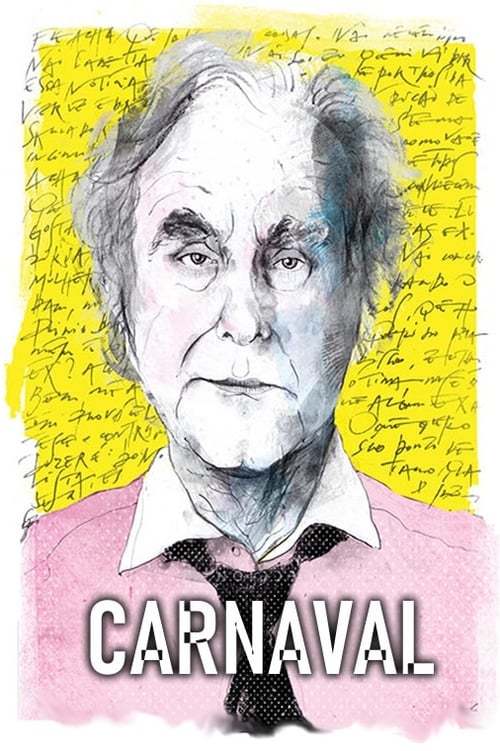
No plot available for this movie.

A religious comedy in 5 segments, illustrating maniqueism on Earth, as shown by movies. God and his son Jesus disagree on how to manage human life on Earth.

Dede (Guilherne Fontes) is a Brazilian teen who lives with his middle-class grandparents who are members of the local communist party. When his grandmother dies, his grandfather's health soon fades to the point where he can't speak or walk. The local party officials ask Dede to continue to family tradition and take over his grandfather's position of social authority, but when Dede is introduced to cocaine by his best friend Alpino (Marcos Palmeira), the attraction to drugs is more appealing to him than political activism.
Subscribe for exclusive insights on movies, TV shows, and games! Get top picks, fascinating facts, in-depth analysis, and more delivered straight to your inbox.