
Action
Adventure
Animation
Comedy
Crime
Documentary
Drama
Family
Fantasy
History
Horror
Music
Mystery
Romance
Science Fiction
Thriller
War
Western
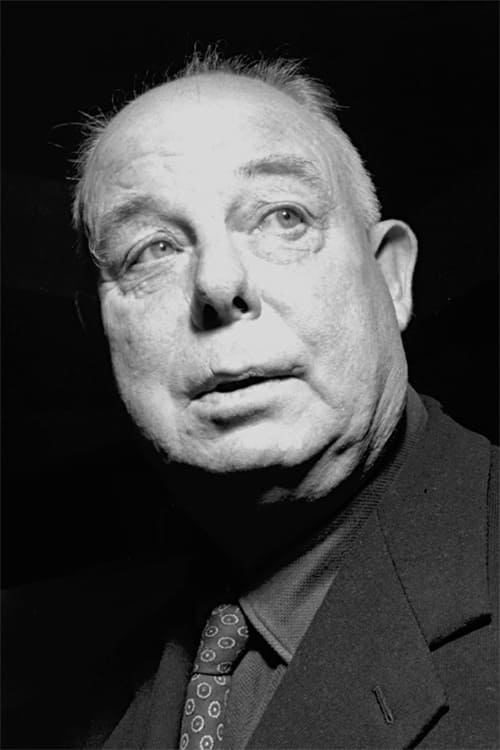
Jean Renoir (15 September 1894 – 12 February 1979) was a French film director, screenwriter, actor, producer and author. As a film director and actor, he made more than forty films from the silent era to the end of the 1960s. As an author, he wrote the definitive biography of his father, the painter, Pierre-Auguste Renoir, Renoir, My Father (1962). In the 1930s, Renoir was associated with the Pop...
Explore all movies appearances
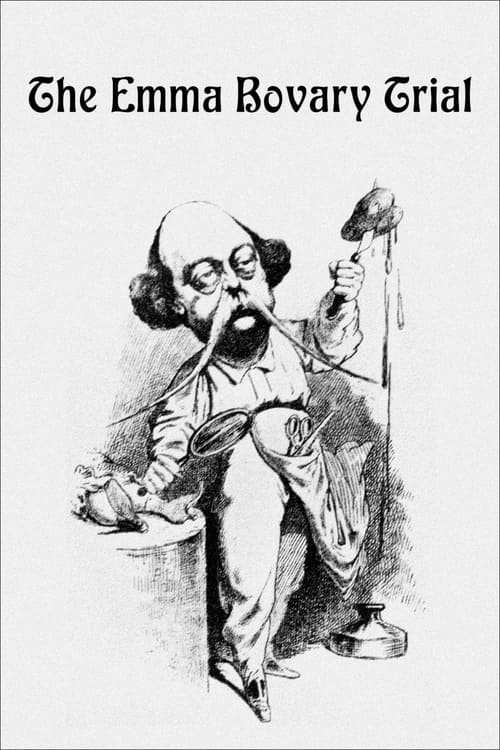
On January 31, 1857, the French writer Gustave Flaubert (1821-80) took his place in the dock for contempt of public morality and religion. The accused, the real one, is, through him, Emma Bovary, heroine with a thousand faces and a thousand desires, guilty without doubt of an unforgivable desire to live.
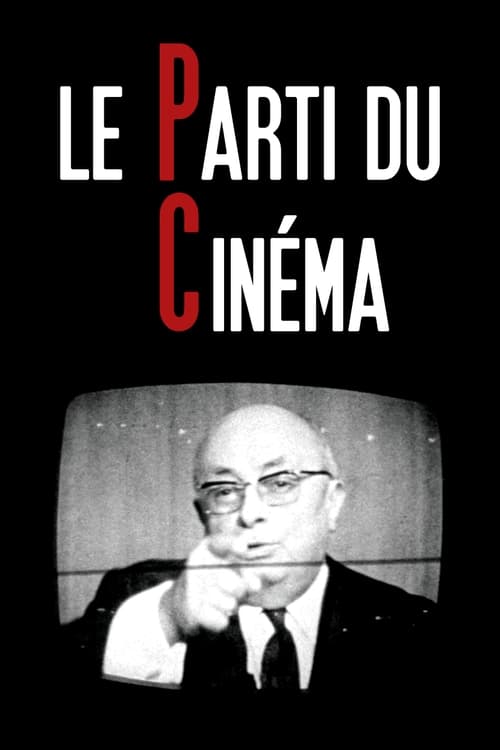
No plot available for this movie.
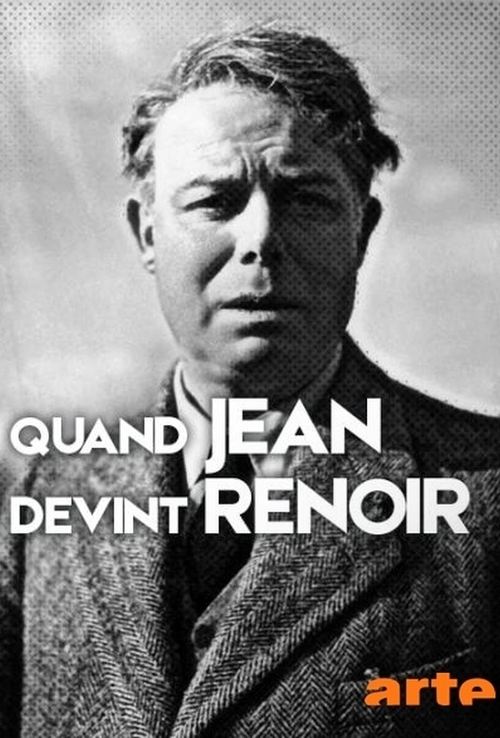
The fascinating story of a man destined to be only a son of and who sought all his life to become "someone" by getting rid of the overwhelming image of his genius as a father, the painter Pierre-Auguste Renoir.
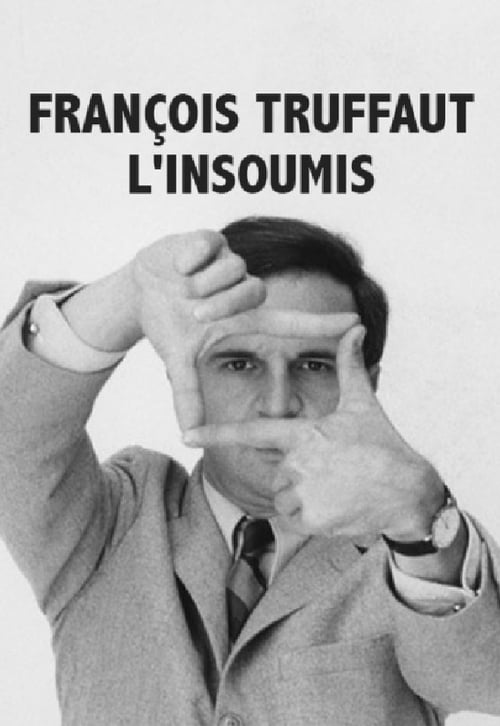
This portrait of the world-famous French director based on his personal correspondance reveals the little known insurgent side of his personnality. Featuring interviews with close collaborators, friends and family, this definitive documentary tells his intimate story, from the streets of Paris to the filmmaking accolades and high profile marriages at the height of his career.
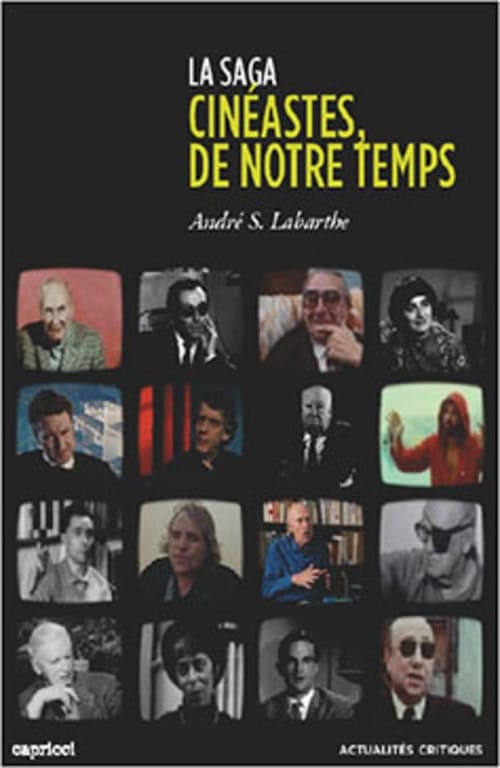
No plot available for this movie.
Edited from 4½ hours of unused material left over from the shooting of Jean Renoir's 1936 PARTIE DE CAMPAGNE (A Day in the Country) and donated by the producer Pierre Braunberger to the Cinémathèque Française. Re-edited for a new version, much of the film is shot with synchronised sound with Renoir's voice instructing and guiding the actors.

Part one of a BBC documentary about Jean Renoir.

This analysis is based on an ideological commentary on Renoir's film. From the beginning, the reading, unilateral, gives keys to interpret the characters: "These are shadows returning to the castle". Renoir "paints the lie of a society that no longer believes in its own values".

Part One, "The Last Christmas Dinner," is about the relationship between an old man and an old woman, both homeless. Part Two, "The Electric Floor Polisher," is an opera-like story of a woman who is obsessed with polishing her floors. Part Three is a musical interlude featuring Jeanne Moreau singing "When Love Dies." Part Four, "The Virtue of Tolerance," concerns an old man, his young wife, and how they come to terms when she has an affair with a man her own age.
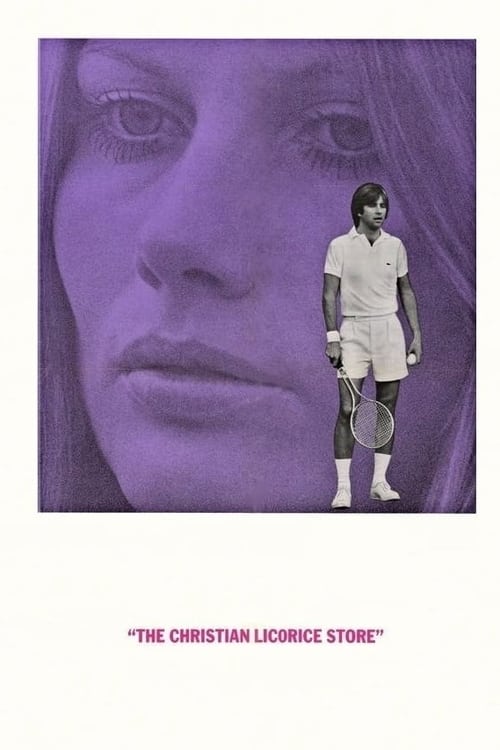
A tennis champ falls in with the Hollywood crowd, finds himself being corrupted by the life in the fast lane.
Subscribe for exclusive insights on movies, TV shows, and games! Get top picks, fascinating facts, in-depth analysis, and more delivered straight to your inbox.