Action
Adventure
Animation
Comedy
Crime
Documentary
Drama
Family
Fantasy
History
Horror
Music
Mystery
Romance
Science Fiction
Thriller
War
Western
Explore all movies appearances
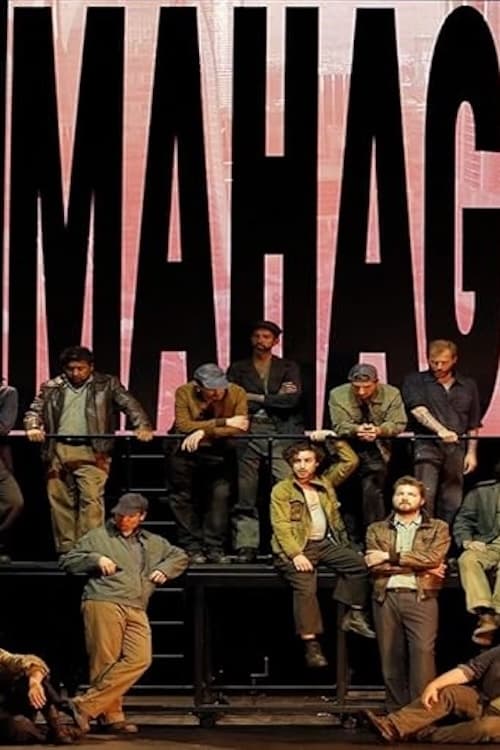
Composed in the 1930s by Kurt Weill and Bertolt Brecht, this is a mordant satire on capitalism and the inexorable industrialization of a society in which the ultimate crime is not having money
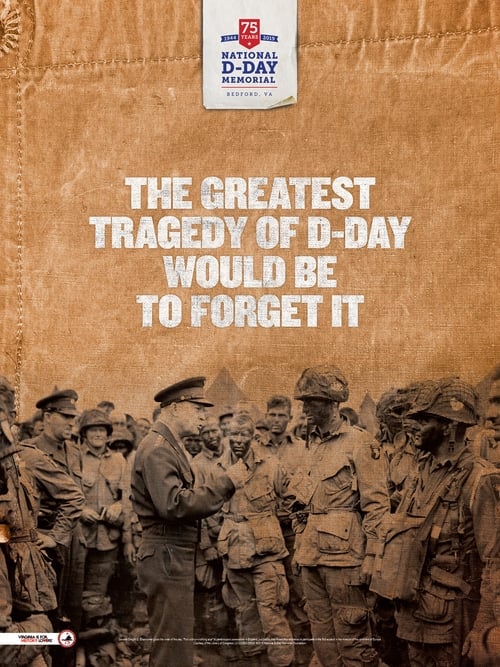
Live from Southsea Common in Portsmouth, Huw Edwards introduces coverage of the National Commemorative Event taking place to mark the 75th anniversary of D-Day.
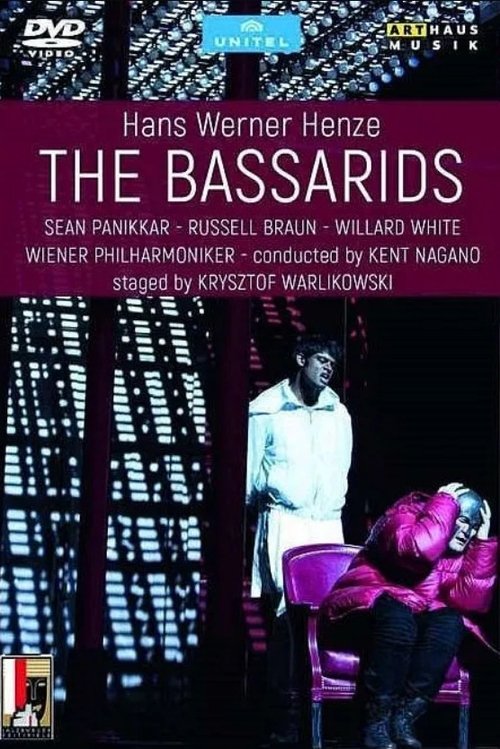
The opera, inspired by Euripides’ tragedy The Bacchae, is as seductive as it is topical: When Dionysus – is he a charlatan? is he a demigod? – bursts into the intact world of ancient Thebes, he plunges a city into chaos. In stark contrast to his cousin, King Pentheus, who leads a life marked by purity and asceticism, Dionysus preaches intoxicating excess and sensuality. Aware of the story’s political dimension that resonates in present day politics, Krzysztof Warlikowski brings one of his famed psychological stagings to the Felsenreitschule in Salzburg. In the gigantic three-part set of Malgorzata Szczesniak the captivating tale unfolds like a film using split-screen techniques .
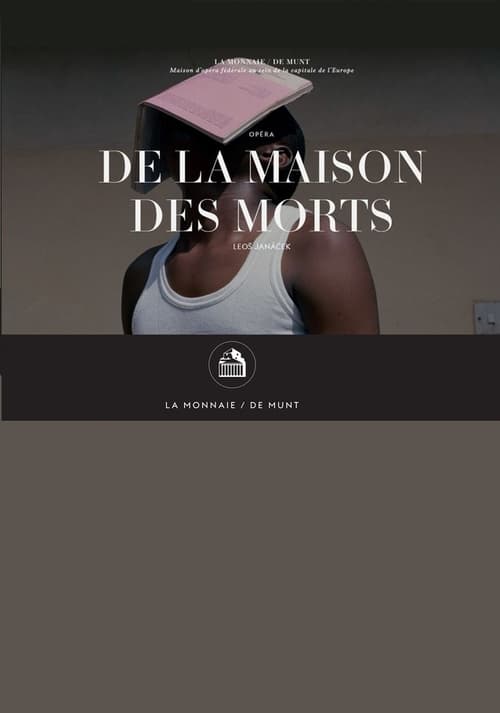
Posthumously premiered in 1930, From the House of the Dead derives from Dostoevsky’s autobiographical 1862 novel that drew on his experience as a political prisoner in Siberia. Janáček focuses on Dostoevsky’s idea of the “spark of God” in every human being that has the potential to redeem even the most hardened criminal.
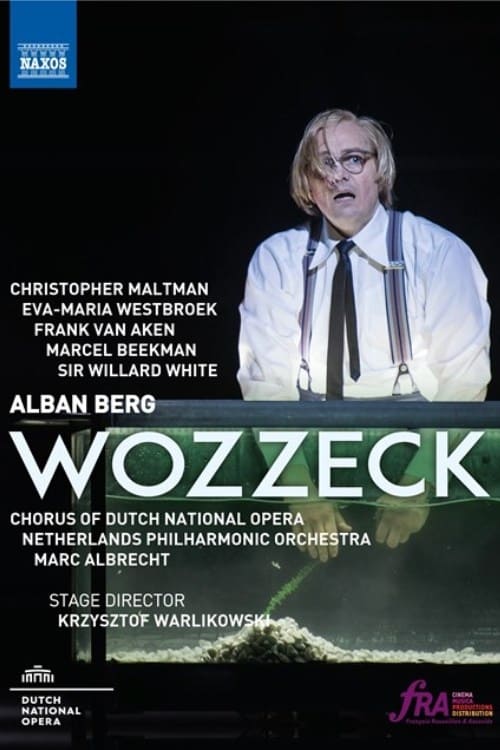
Based on real events and drawing on Georg Büchner's revolutionary play, Alban Berg's Wozzeck turns a grimly tragic narrative of violence and murder into one of the most powerful and original operas of the 20th century. Berg's uncompromising portrayal of brutality and madness generated much controversy, but the significance of Wozzeck was soon recognised; its compelling lyrical expansiveness, large-scale dramatic gestures and remarkable musical structures producing music of overwhelming emotional intensity. The Financial Times declared this to be 'a beautiful, moving, engrossing production… this is a consummate Wozzeck, blending clarity, lyricism, compassion and crushing force.'
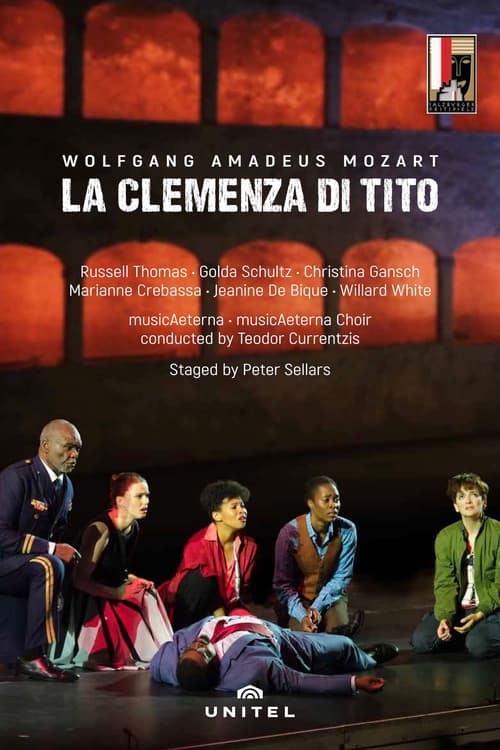
How do we live together in an age of conflict? How do you heal a divided and angry people? In their 2017 production of Mozart’s La clemenza di Tito, Peter Sellars and Teodor Currentzis examine these questions through the story of a warrior-emperor who brings peace to his divided land and pardons his own would-be assassins. Written under a time crunch (legend has it that it was written in only 18 days, although it is likely an exaggeration) during the last year of Mozart’s life, the opera is based on a libretto written more than half a century earlier by Pietro Metastasio. It was commissioned for the coronation of Leopold II as King of Bohemia, and received its first public performance at the Estates Theatre in Prague on September 6, 1791.
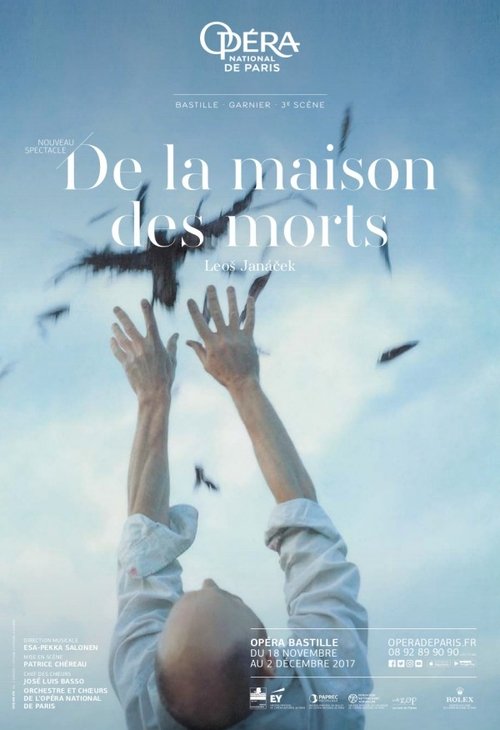
Condensing the life stories – memories of prison in Silesia – related by Dostoyevsky in his work The House of the Dead, Leoš Janáček composed an opera filled with burning desire and longing. Contagious savagery, cruelty and brutality are exacerbated by the confines of the prison. However, within its concrete walls emerge both tenderness and cruelty at the sight of an injured bird; a multitude of stories and highly personal monologues. With this production, first performed at the Wiener Festwochen in 2007, the Paris Opera pays tribute to Patrice Chéreau.
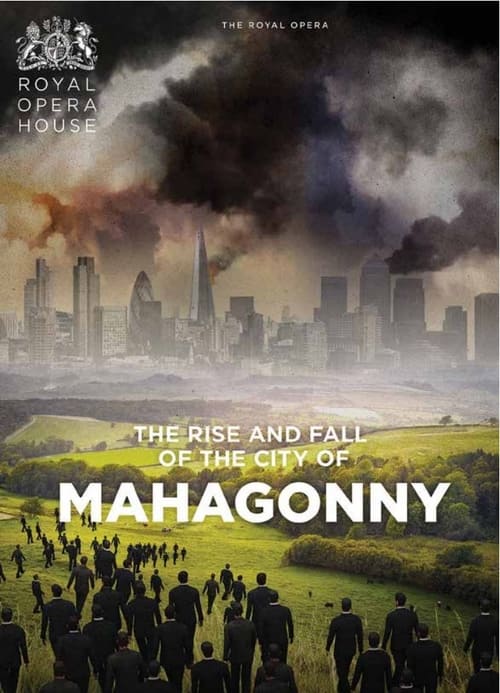
A major work from the remarkable partnership of playwright and poet Bertolt Brecht and composer Kurt Weill, Mahagonny was first performed in Leipzig in 1930. Its first ever Royal Opera staging, by Associate Director of Opera John Fulljames, is sung in English, and conducted by Mark Wigglesworth – recently announced as the successor to Edward Gardner as Music Director of English National Opera. Mahagonny is a satire on money, morality and pleasure-seeking among the dubious citizens of a fictional city. The richly varied, jazz-infused score, influenced by ragtime music, includes such irresistible melodies as the ‘Alabama Song’ and many dramatic ensembles. The superb cast includes Kurt Streit as the wild lumberjack Jimmy, Christine Rice as his sweetheart Jenny, Anne Sofie von Otter in a welcome return to The Royal Opera as the cunning Leokadja Begbick, and Peter Hoare and Willard W. White as her helpers and fellow-fugitives Fatty and Moses.

A young man ignorant of everything, including his own name, arrives at the Kingdom of the Holy Grail. Is he the ‘pure fool, enlightened by compassion’, who, it has been prophesied, will purify the kingdom?
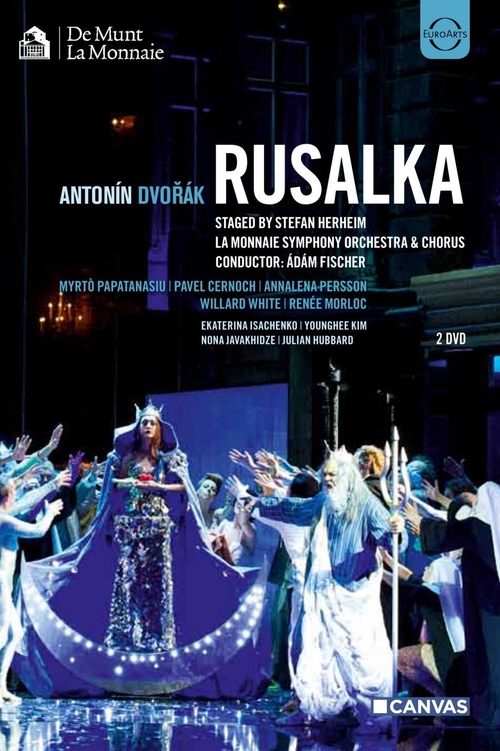
Antonin Dvorak’s next to last opera draws its substance from the underwater wonderland of little mermaids, Undines and Melusines: the water nymph Rusalka falls hopelessly in love with a prince and, although she is willing to sacrifice her voice to acquire the human form she needs in order to stay with him, the disparity between them proves to be too great. Jaroslav Kvapil’s libretto inspired Dvorak to compose a masterpiece, a compelling opera full of poignant lyricism and dramatic twists. Ádám Fisher and Stefan Herheim masterfully presented this ‘lyrical fairytale’ at La Monnaie in 2008. In this widely acclaimed interpretation, the fairytale elements sometimes assume frighteningly realistic dimensions so that one might see this enchanting production as a psychoanalytical study of male fantasies and female archetypes.
Subscribe for exclusive insights on movies, TV shows, and games! Get top picks, fascinating facts, in-depth analysis, and more delivered straight to your inbox.