
Action
Adventure
Animation
Comedy
Crime
Documentary
Drama
Family
Fantasy
History
Horror
Music
Mystery
Romance
Science Fiction
Thriller
War
Western
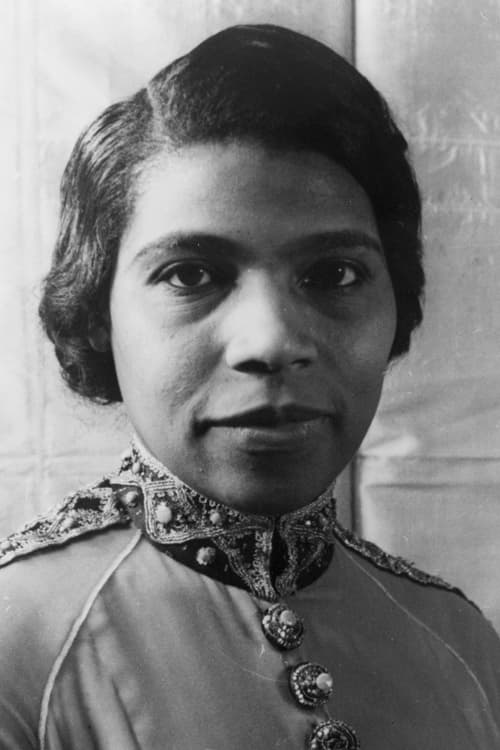
Marian Anderson was an American contralto. She performed a wide range of music, from opera to spirituals. Anderson performed with renowned orchestras in major concert and recital venues throughout the United States and Europe between 1925 and 1965.
Not available
Enjoying the content? Support us!
Enjoying the content? Support us!
Explore all movies appearances
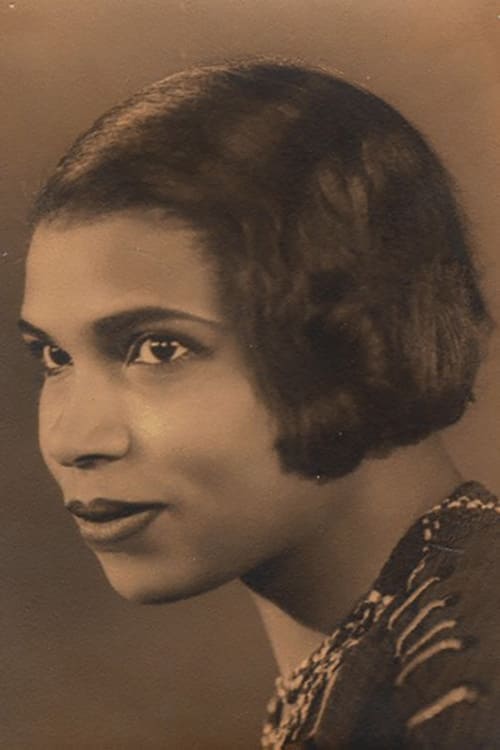
A documentary exploring the life, career, art and legacy of Marian Anderson.
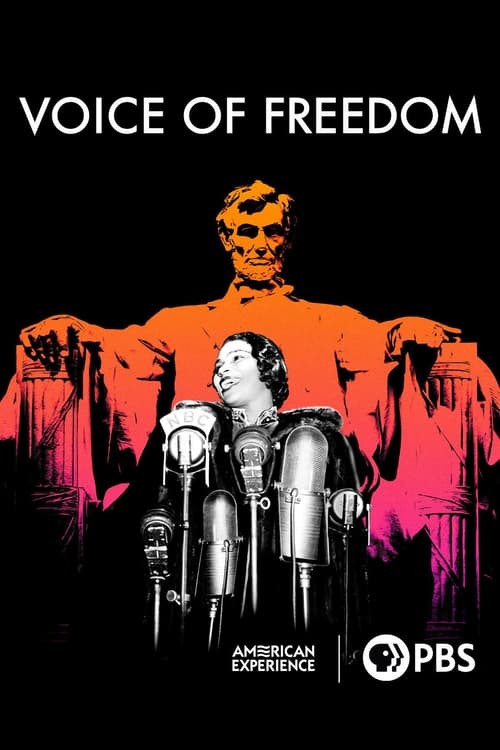
On Easter Sunday, 1939, contralto Marian Anderson stepped up to a microphone in front of the Lincoln Memorial. Inscribed on the walls of the monument behind her were the words “all men are created equal.” Barred from performing in Constitution Hall because of her race, Anderson would sing for the American people in the open air. Hailed as a voice that “comes around once in a hundred years” by maestros in Europe and widely celebrated by both white and black audiences at home, her fame hadn’t been enough to spare her from the indignities and outright violence of racism and segregation.
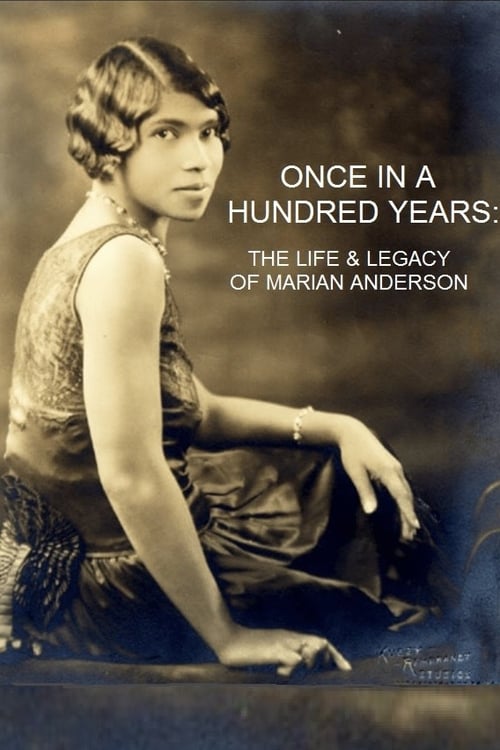
Marian Anderson, a young girl from South Philadelphia, armed with only a voice, fought to break down one of the most daunting barriers closed to black Americans in the 1930s—the classical music stage.
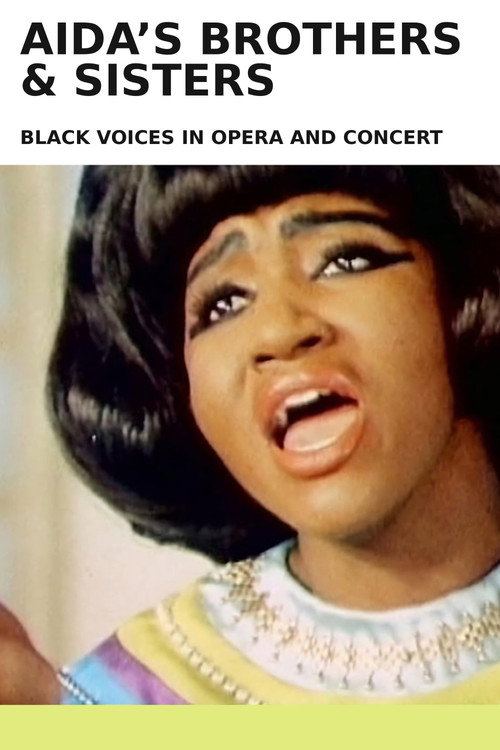
The film tells the story of classic black singing against the background of black emancipation in politics and society. This story stretches from the first successes of the bass Paul Robeson, who all his life regarded his voice as an instrument of liberation, to the young singing pupils of the Harlem School of Arts, who identify themselves with their origins in rejuvenated pride. The great African-American singers express their views, as do opera company directors and critics. Historical and contemporary film extracts and specially produced film sequences demonstrate the richness and variety of black singing.
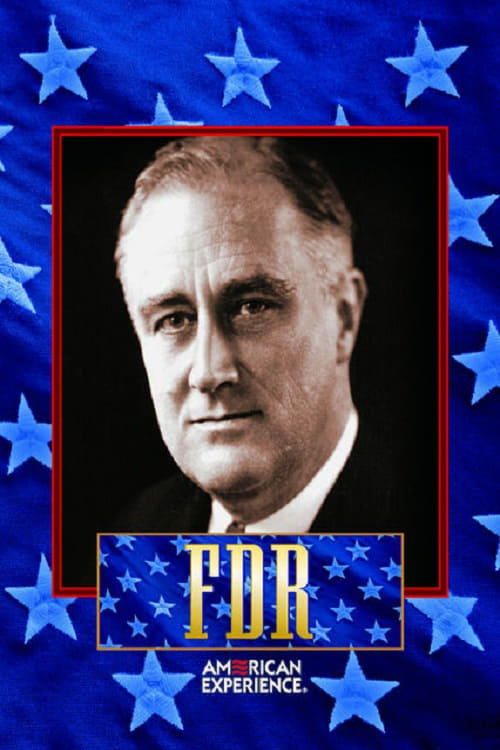
Franklin Delano Roosevelt is one of the most revered and influential Americans of this century. The subject of hundreds of books and countless plays, films, and television programs, he has become an icon for an entire generation. Until this definitive 4-hour documentary based on two books by senior creative consultant and FDR biographer Geoffrey Ward, the personal motivations and physical and emotional trails that marked his life remained elusive. By interviewing dozens of those who knew FDR or had chronicled his career, by uncovering rare and previously unseen footage of his public appearances and private life, and by weaving them together in a taut and compelling narrative beautifully read by David McCullough, writer/producer David Grubin presents the most complete account to date for Mr. Roosevelt. For this achievement, a Peabody Award was presented to David Grubin Productions and The American Experience for FDR.
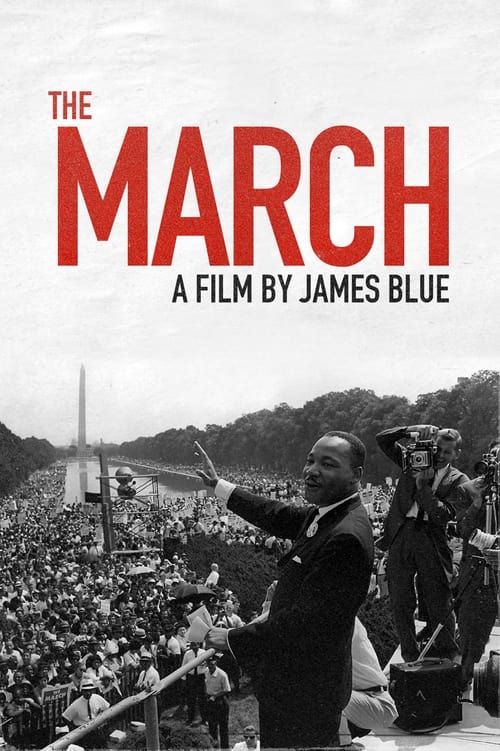
The March, also known as The March to Washington, is a 1964 documentary film by James Blue about the 1963 civil rights March on Washington. It was made for the Motion Picture Service unit of the United States Information Agency for use outside the United States – the 1948 Smith-Mundt Act prevented USIA films from being shown domestically without a special act of Congress. In 1990 Congress authorized these films to be shown in the U.S. twelve years after their initial release. In 2008, the film was selected for preservation in the United States National Film Registry by the Library of Congress as being "culturally, historically, or aesthetically significant". (Wikipedia)
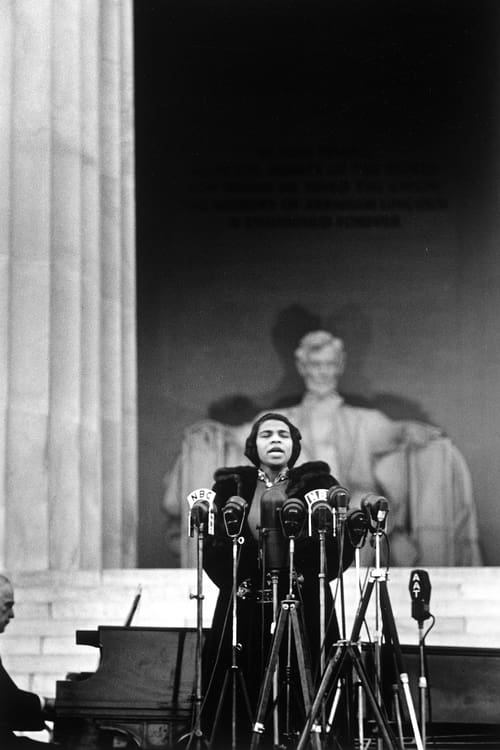
Short film which documents Marian Anderson's singing performance at the Lincoln Memorial.
Subscribe for exclusive insights on movies, TV shows, and games! Get top picks, fascinating facts, in-depth analysis, and more delivered straight to your inbox.