Action
Adventure
Animation
Comedy
Crime
Documentary
Drama
Family
Fantasy
History
Horror
Music
Mystery
Romance
Science Fiction
Thriller
War
Western
Explore all movies appearances

Released in 1966 by Vinicius de Moraes and Baden Powell, the record Os Afro-Sambas is one of Brazil's most revered. Participants of the original recording, critics, friends and family of the musicians revisit the creation of this masterpiece. Filmed between Salvador and Rio, the documentary brings together archive footage and exclusive interviews with Maria Bethânia, Dori Caymmi, Russo Passapusso and Nelson Motta. A tribute to a classic that transformed Brazilian music.
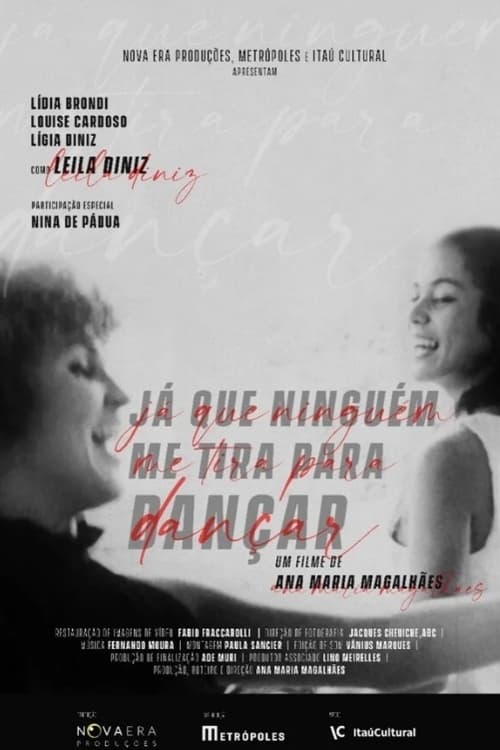
Conducted from interviews with personalities who lived with Leila Diniz (1945-1972), the documentary is a record of an era and, above all, it rescues the participation in Brazilian culture of the actress who opened the way for the sexual revolution during the dark years of the dictatorship.
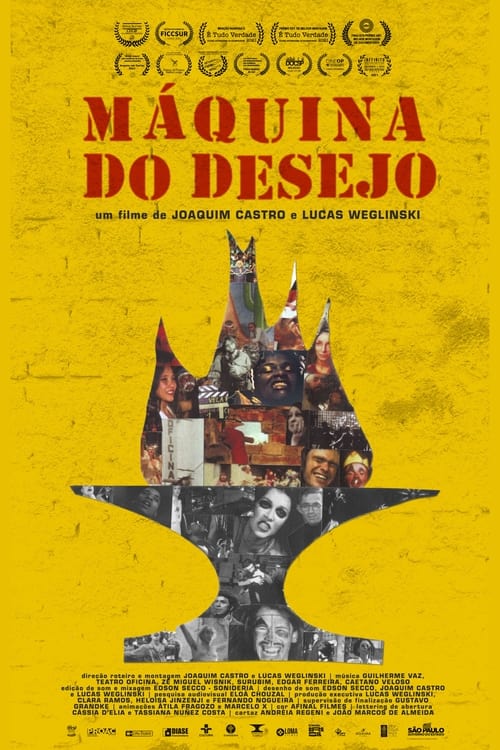
In six decades, Teatro Oficina has done more than revolutionize theatrical language in the country: the aesthetic influence of José Celso Martinez Corrêa's company extends from Tropicalism to the renewal of Brazilian audiovisual languages from the 1960s onwards. The film revisits a story that it involves personalities such as Caetano Veloso, Glauber Rocha, Lina Bo Bardi, Chico Buarque and Zé do Caixão, brings together scenic art, ecology, architecture and sexuality, and mixes art and life in the search for a Brazilian based language.
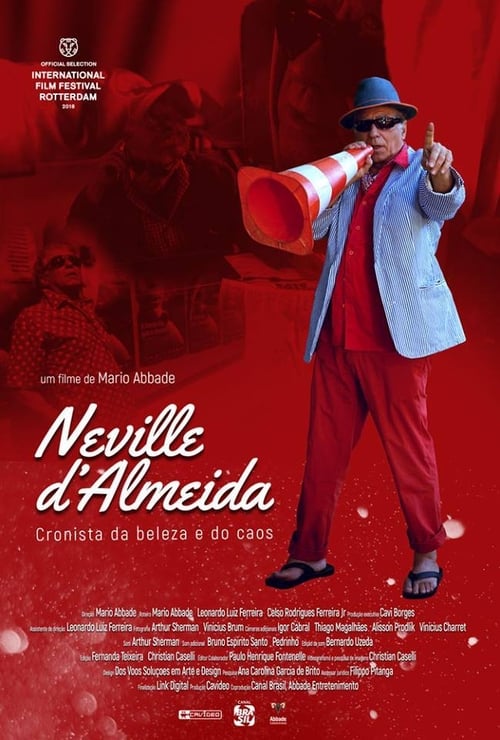
This film seeks to rescue the role of filmmaker Neville D'Almeida by using many rare images, numerous interviews, vast archival and audiovisual material.
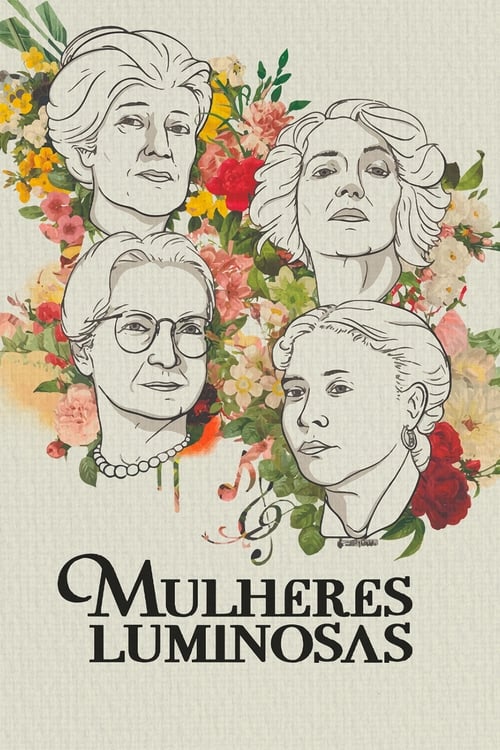
No plot available for this movie.
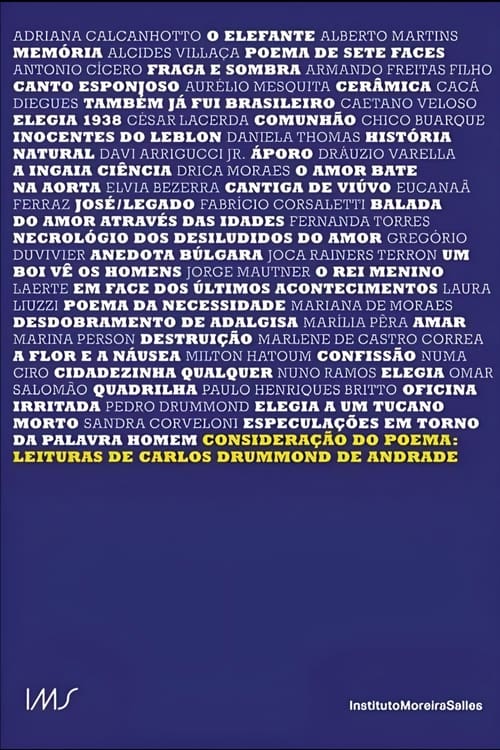
Carlos Drummond de Andrade's poetry is read by exponents of Brazilian culture, such as Chico Buarque, Caetano Veloso, Adriana Calcanhoto, Fernanda Torres, Marilia Pera, Antonio Cicero and others.
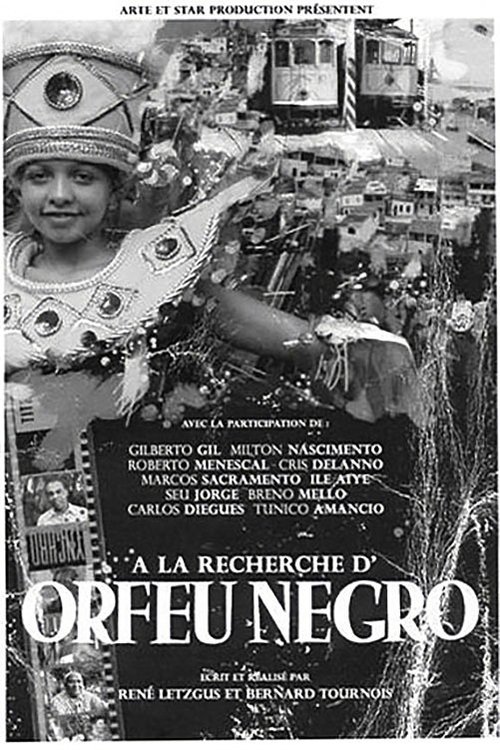
Documentary about Marcel Camus' 1959 film Black Orpheus, its cultural and musical roots, and its resonance in Brazil today.
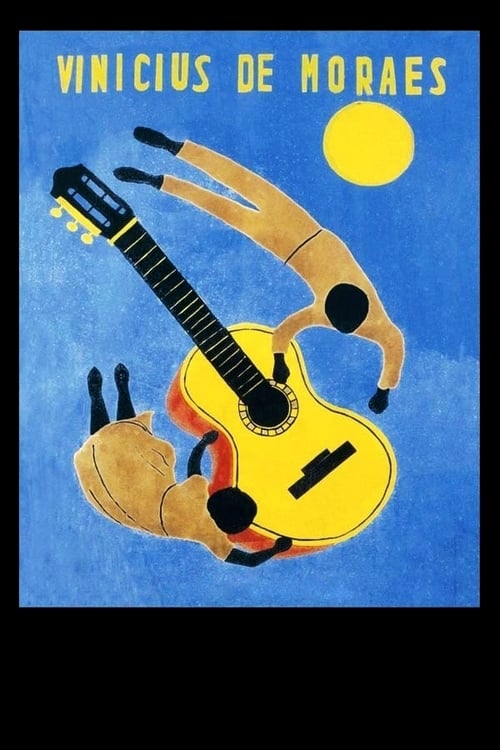
To celebrate the life and the work of a multifaceted creator – playwright, poet, partner of the most important names of Brazilian pop music and, above all, an enlightened character of the Brazilian cultural history - director Miguel Faria Jr. gathered an incomparable cast of partners, singers, friends and rare images from the archives recalling Vinícius’ genial simplicity, with the spontaneity, the humor, and the freedom of a person chatting over a bar table, exactly how the eternal Vinícius would enjoy.
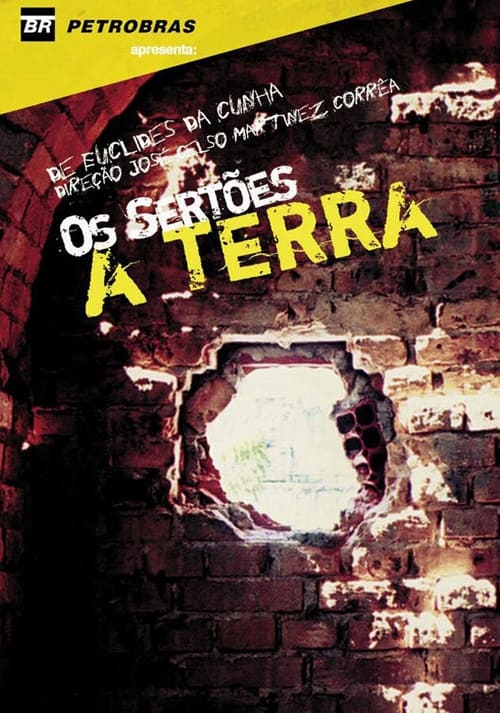
From 2000 to 2007, Teat(r)o Oficina Uzyna Uzona worked on the staging of Euclides da Cunha's epic book, Os Sertões, which describes the 19th Century War of Canudos in the Brazilian "sertão"(backlands). The result was the pentalogy of plays: A Terra (2002), O Homem I (2003), O Homem II (2003), A Luta I (2005), and A Luta II (2006). This first play is a carnival opera, the actors are the earth, the vegetation, the wind, the animals, the rivers, the drought. It reveals the most intimate secrets of nature, that also vibrate in the human and trans-human arteries. This work enriched by the experience that the subsequent works brought gains an updated insight into the human interference in the environment. Destructive power is proportional to financial power, and the discussion about the way space gets occupied was brought to the forefront, including the real-estate boom that surrounds today not only Teatro Oficina, but the whole world, now hotter and more arid.
50 years of Brazilian history seen from the point of view of a friendship among two intellectuals.
Subscribe for exclusive insights on movies, TV shows, and games! Get top picks, fascinating facts, in-depth analysis, and more delivered straight to your inbox.